
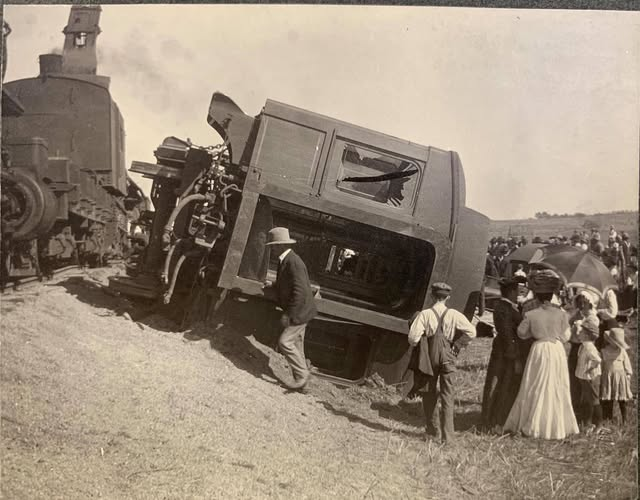
In the early hours of October 10, 1904, a sinister fate befell the second section of Missouri Pacific passenger train No. 30, bound from Wichita to St. Louis. As the train neared the infamous Dead Man’s Curve, a sharp bend three miles east of Warrensburg, it collided head-on with an extra freight train. The crash was catastrophic, leaving 28 dead and 60 injured.
The passenger train, a late-night special for the St. Louis World’s Fair, had been pieced together in Wichita and added coaches along the route. By 4 a.m., it was a packed procession of weary travelers. The freight train, under orders to wait at Knob Noster, had neglected to do so. The two trains met at the curve in a narrow cut, where the steep downgrade and darkness compounded the danger.The impact was horrific. The freight engine’s tender sliced through the first passenger coach, killing many instantly and mangling others beyond recognition. The second and third coaches were also badly damaged, with seats torn and windows shattered. The Pullman car at the rear remained upright, and its occupants were less affected. Rescue efforts were swift. Physicians and volunteers from surrounding towns rushed to the scene. The dead were transported to Warrensburg and laid out in the Magnolia Mills, while the injured were taken to hospitals in Sedalia. The local coroner convened an inquest, and the freight crew was found responsible for the disaster due to their failure to adhere to orders.
This tragic event serves as a somber reminder of the perils of early 20th-century rail travel and the human cost of negligence.
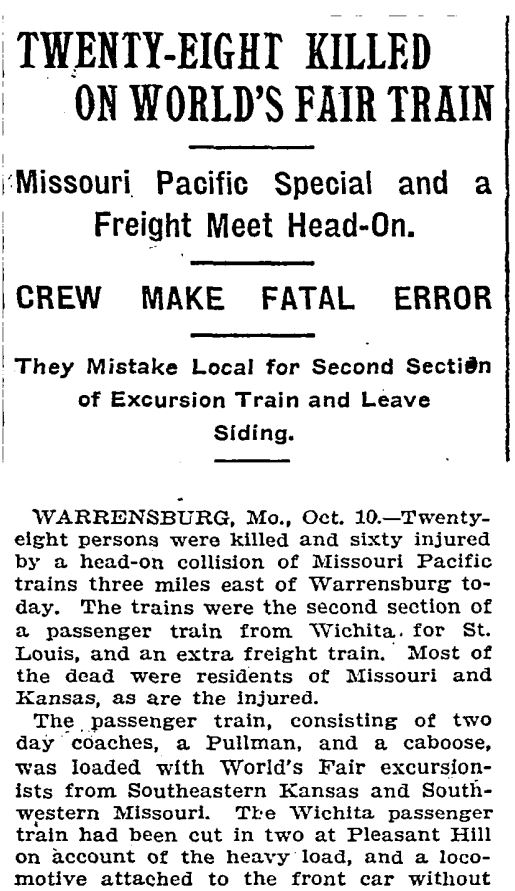
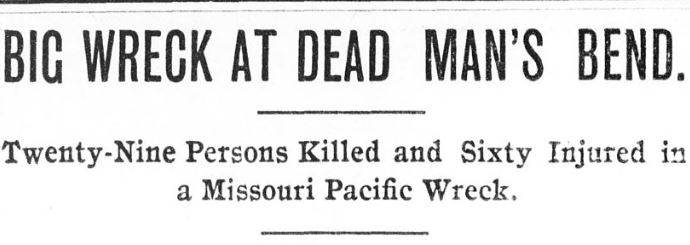
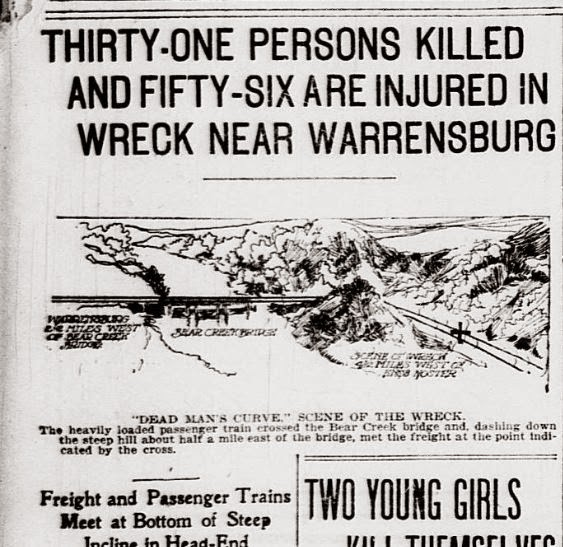
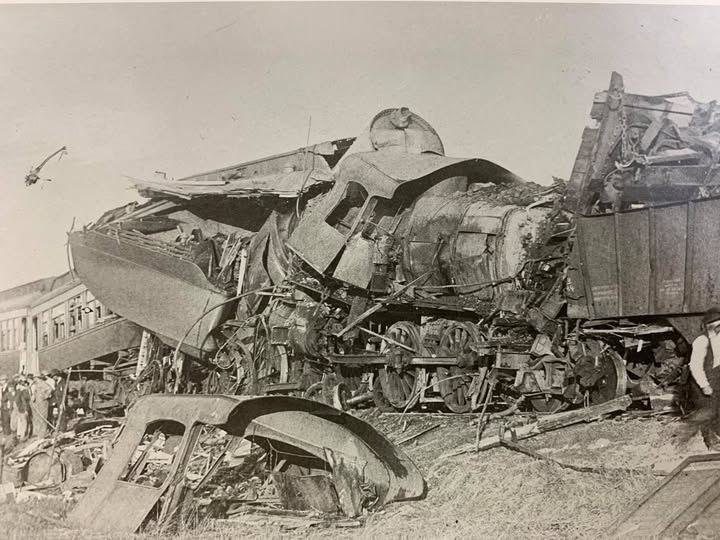
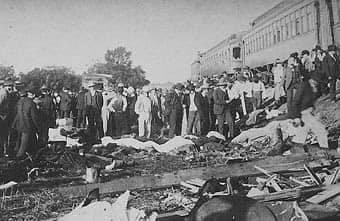
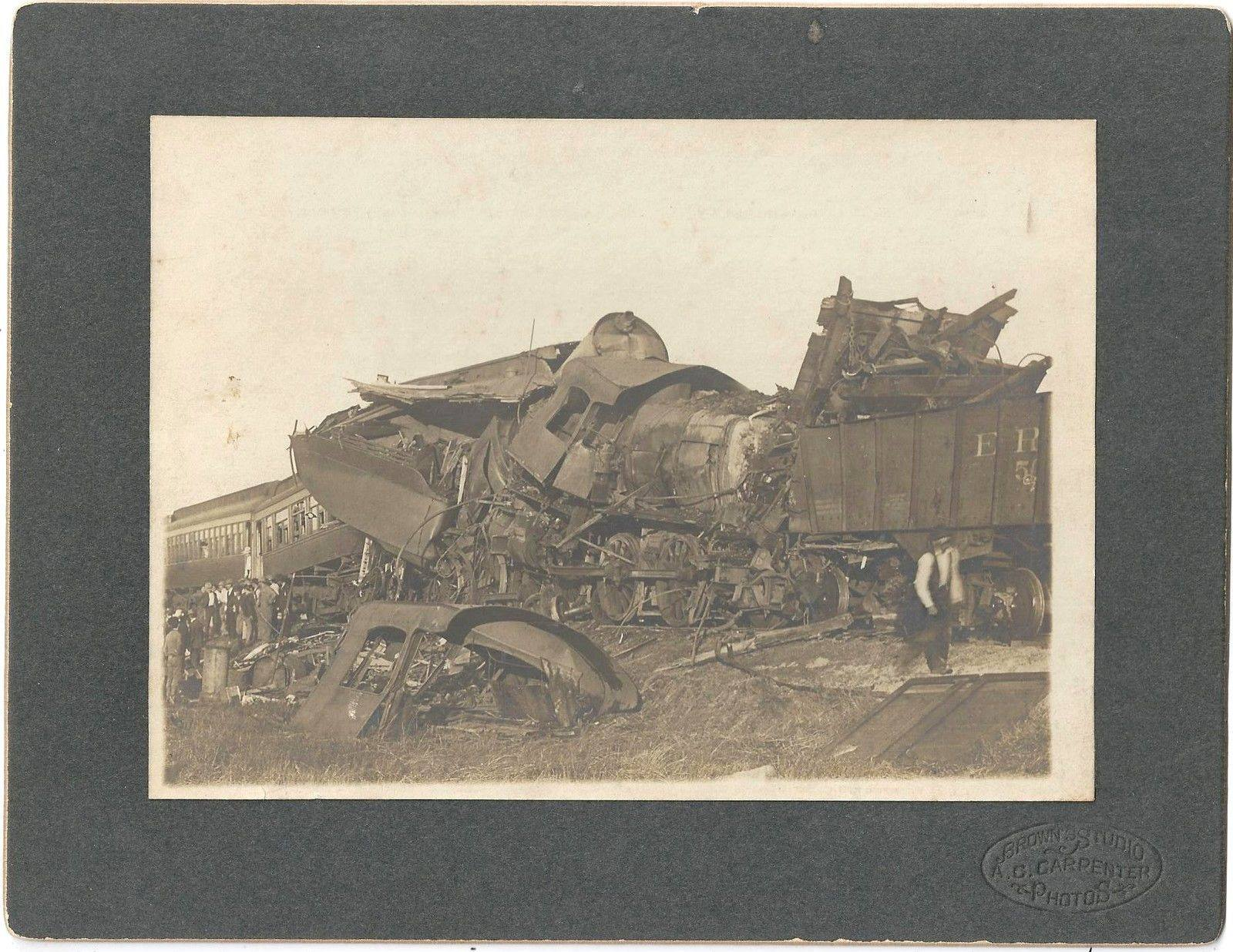
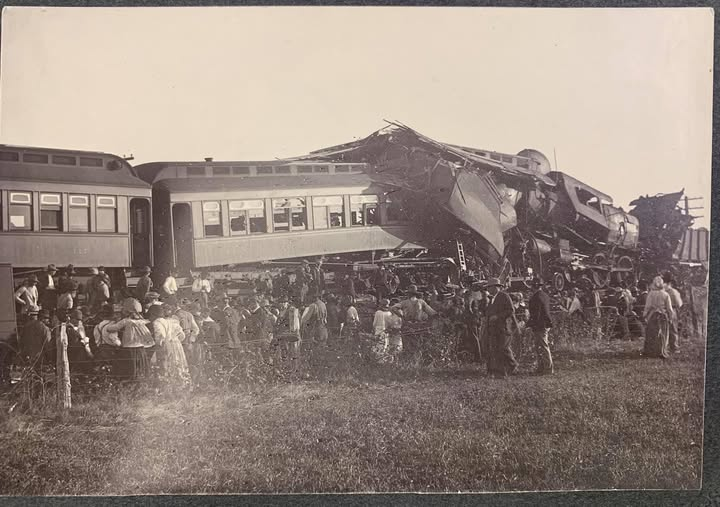
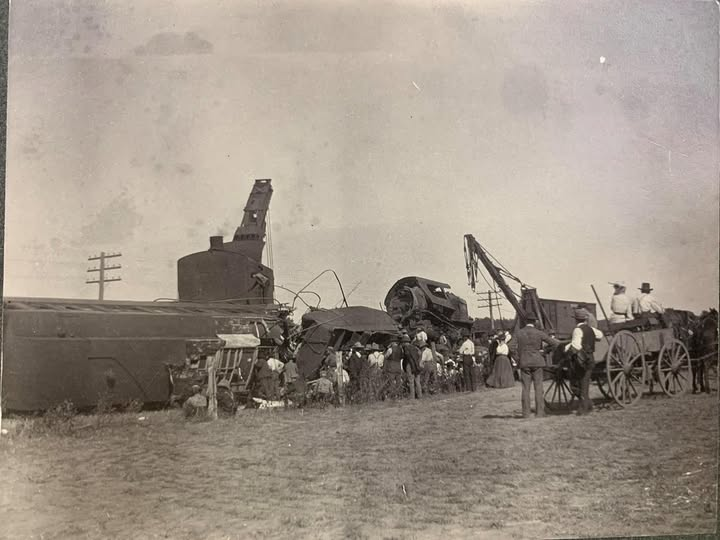
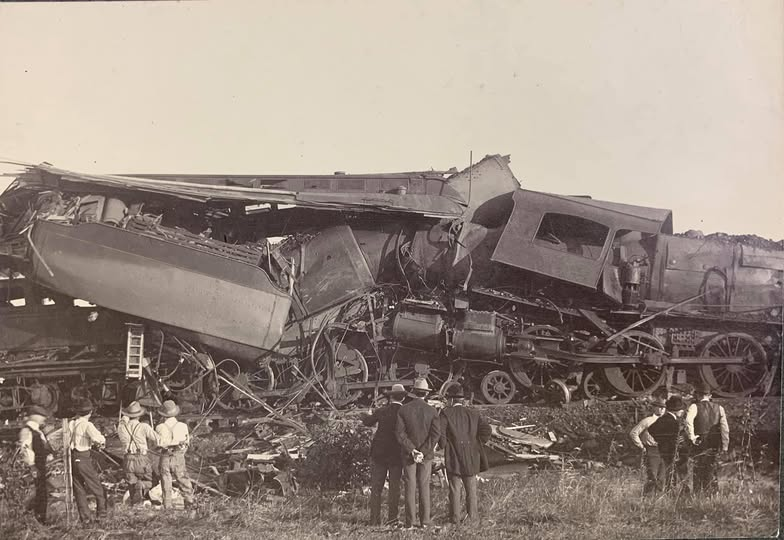
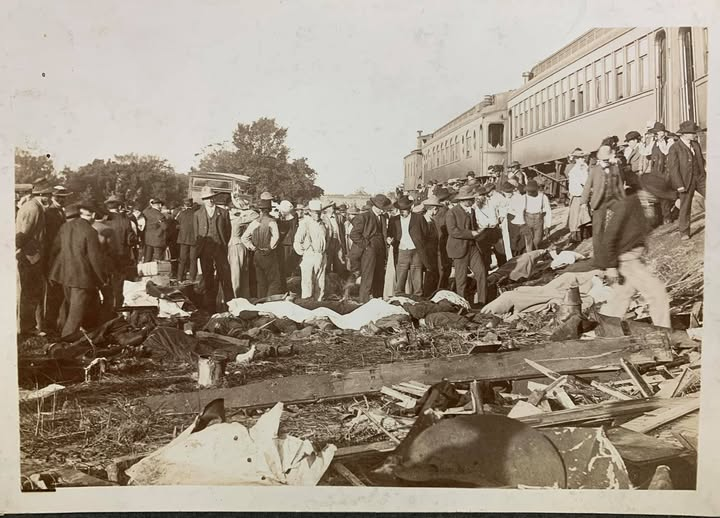

A petition filed on December 20th, 1904, in the Circuit Court of Johnson County Missouri initiated a lawsuit by Benjamin F. Aley against The Missouri Pacific Railway Company. The suit claimed damages for the negligent death of Benjamin’s brother and wife, Tilgham H. and Alice Aley, who died in the infamous St. Louis Fair train crash October 10, 1904. Benjamin sought Five Thousand dollars for his niece, Mary Aley. The case was subject to multiple dismissals. The Circuit Court did eventually award the plaintiffs the amount of the suit. The Defendant appealed to the Supreme Court, who affirmed the judgement.
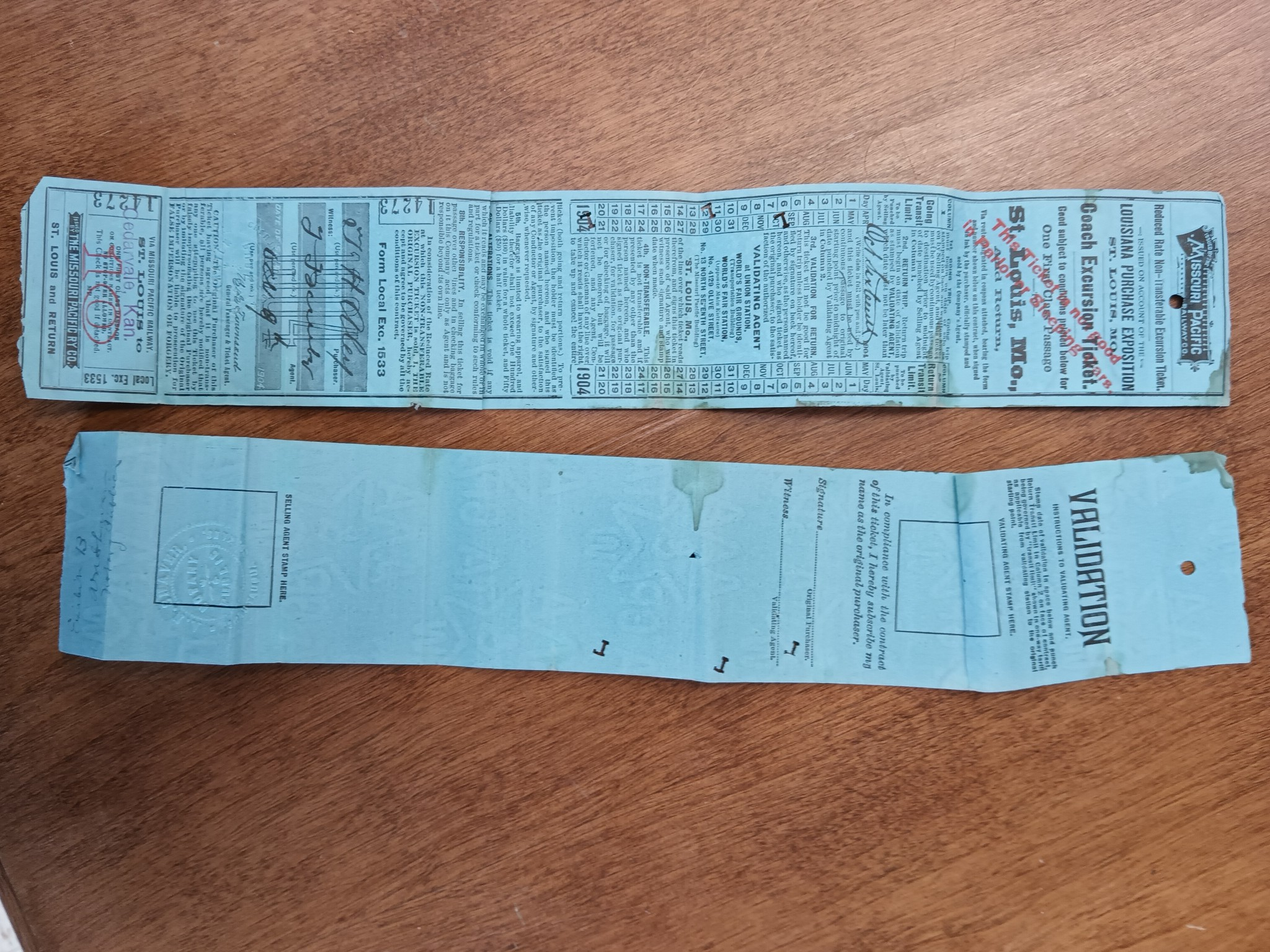
Notice the blood stained ticket stubs that were part of the evidence for the plaintiffs, marked on the back as Exhibit A and Exhibit B
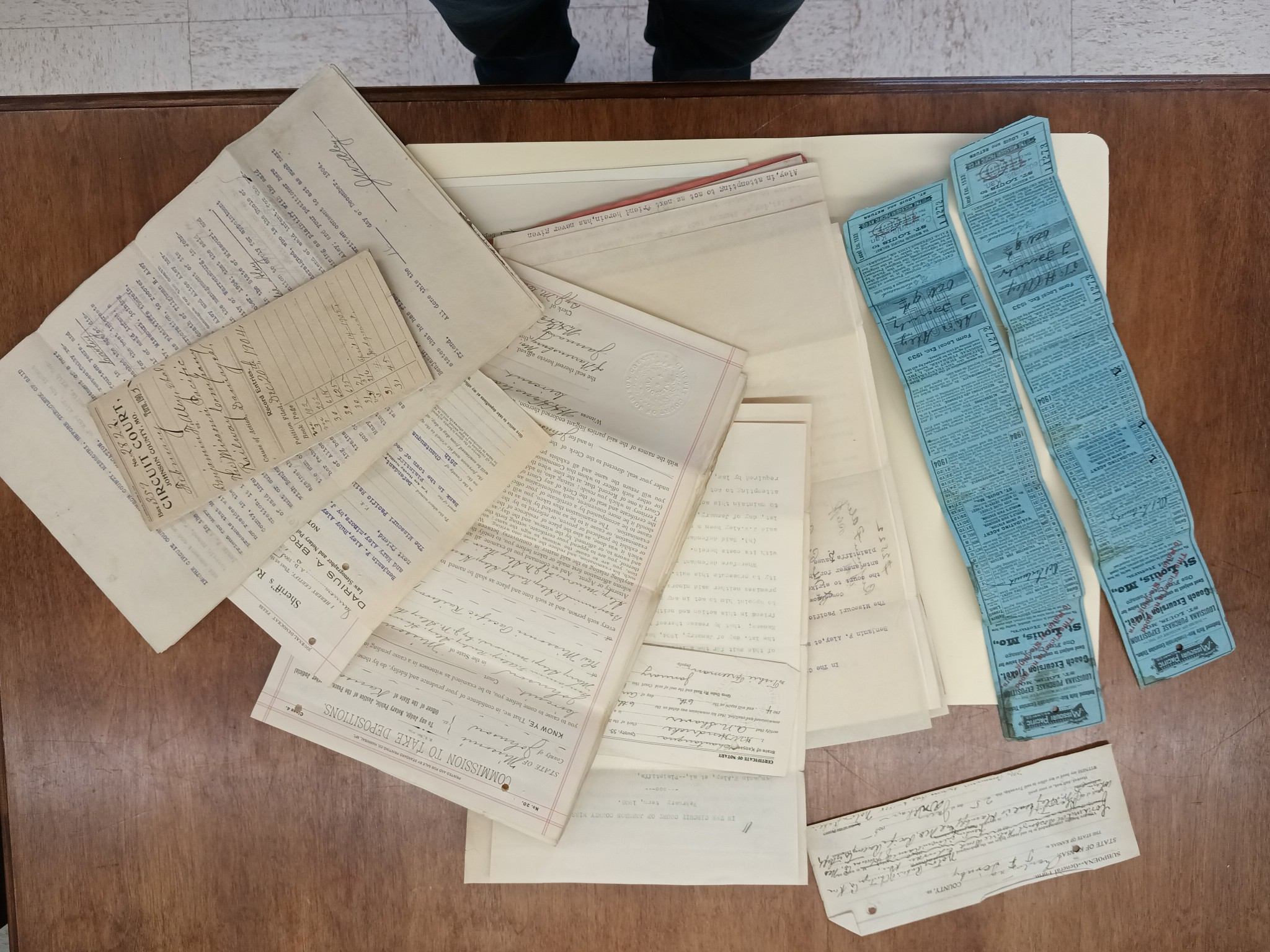
Just some of the amazing finds in the Johnson County Historical Society’s archives.
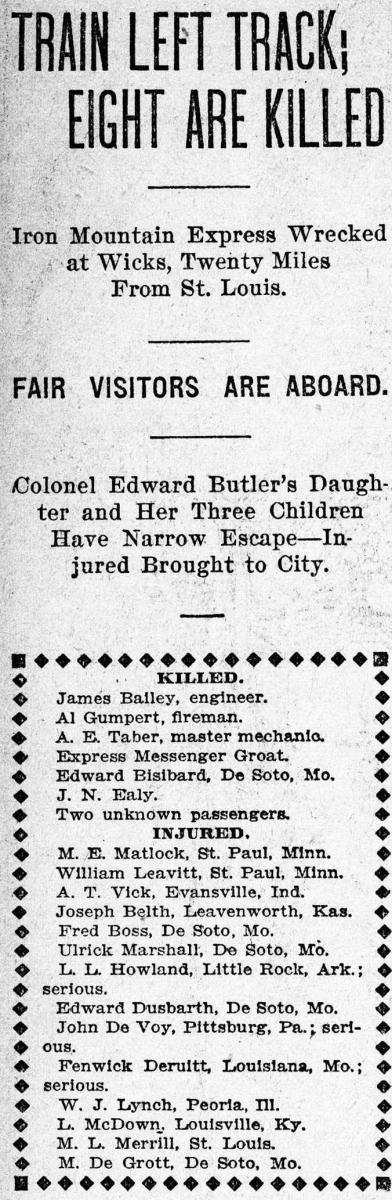
We have a large newspaper archive in our archive.
To see more of Johnson Countys digital newspapers visit
https://shsmo.org/collections/newspapers/mdnp
 Johnson County (MO) Historical Society
You must be logged in to post a comment.