Some may remember the remnants of the R R tracks crossing E Gay St near the Nation Guard Armory. It passed through the track of land between Gay and North Street that once was considered outside of town, and not much later, the east Suburbs of Warrensburg
Just East of the site is now Grover Park. Once wooded with clear streams, people built small cabin homes, including the home Blind Boone once lived .
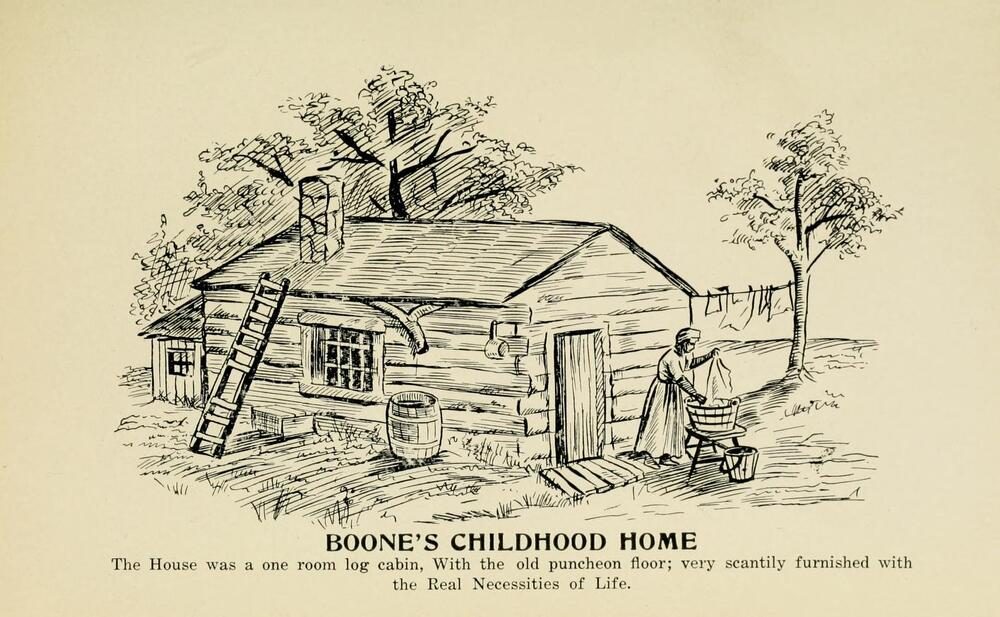
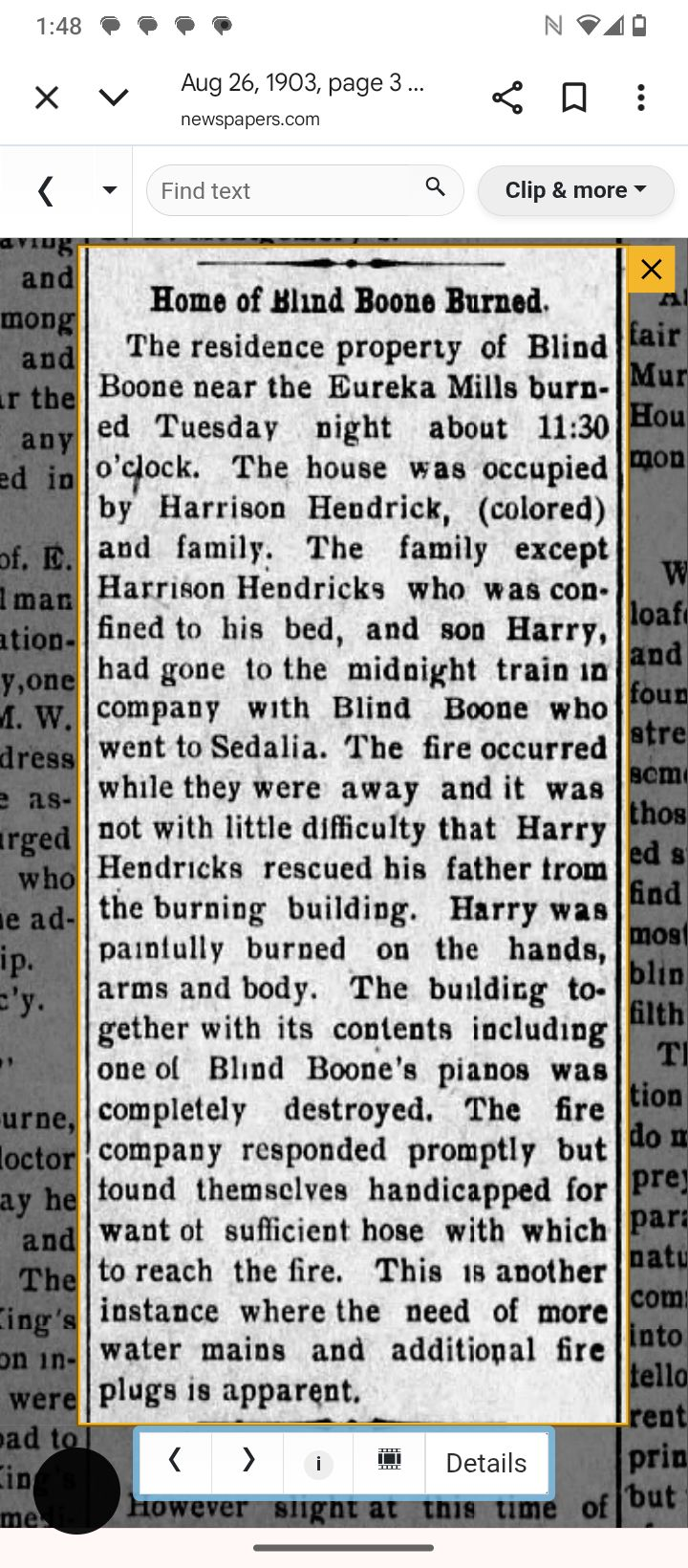
When Willie was eight years old, Rachel Boone married Harrison Hendricks and moved into his home, located east of Land Fike’s Mill (later known as Eureka Mills) on Mill Street. There, Boone organized a small neighborhood band featuring two tin whistles, a mouth harp (essentially a harmonica), and a triangle, and they often played on the streets of Warrensburg. Boone’s musical talent quickly drew the attention of several prominent local citizens, who helped raise funds to send him to the Missouri Institute for the Education of the Blind in St. Louis.
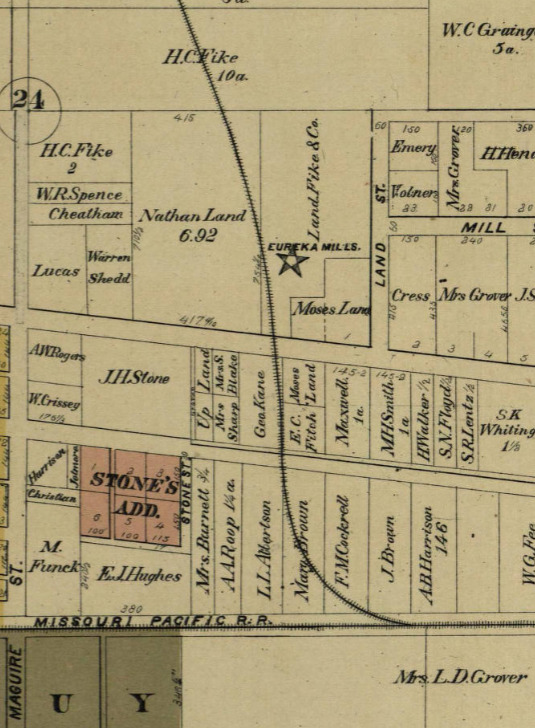
H. Hendrick property shown on top right-hand side next to Mrs. Grover’s properties.
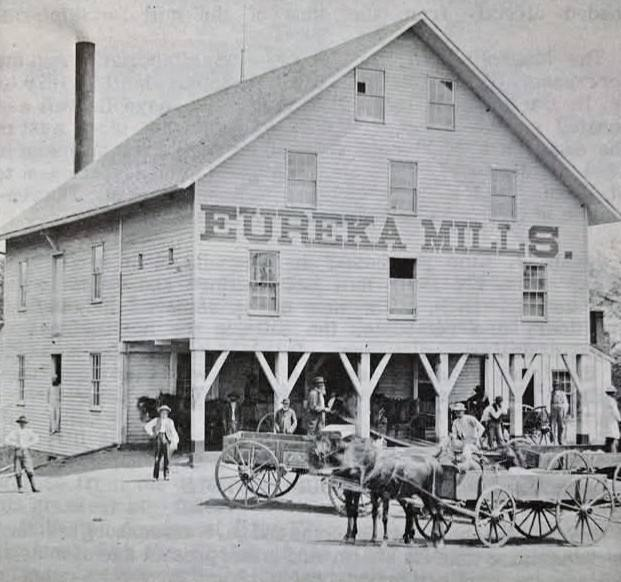
The Mill
Captain Nathan Land was born in St. Clair County, Illinois, in 1817. Though his education was limited, Land’s determination was not. After years on a farm, he enlisted in the 117th Illinois Infantry, serving as captain of Company K during the Civil War. Unfortunately, poor health forced his resignation after two and a half years of service.
When the war ended, Land sought a fresh start in Warrensburg in 1865, opening a dry goods store. Fate, however, had other plans. The Great Fire of Christmas 1866 destroyed his business. Undeterred, Land joined Schmidtlapp, Land and Company, and in 1867 they built a new venture, Eureka Mills, situated on the branch railroad leading to the local stone quarries.
Eureka Mills quickly became one of Warrensburg’s most productive enterprises. Known formally as Land, Fike and Company, it processed over 100,000 bushels of grain each year and employed between 16 and 20 men, each earning an average of 2 dollars a day, a fair wage for the time. The company became a cornerstone of the community’s agricultural economy.
By 1872, changes in ownership reshaped the firm, and in February 1882, Eureka Mills faced a temporary closure. The cause, locals said, was tied to the earlier failure of the First National Bank of Warrensburg, which cost the firm about 5,000 dollars and crippled its credit.
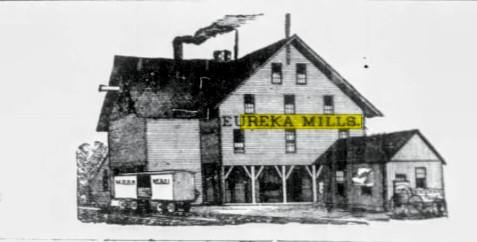
A year later, in 1883, the property was sold by trustee to Susan H. Gale for 6,000 dollars. She made necessary repairs and added an iron roof to the boiler room, preparing the property for new tenants. It wasn’t long before L. Hyer and Son took over operations, focusing on high-quality flour made from corn and wheat. By 1895, a new partner, Collins, joined the business, and the mill remained a trusted local institution.
Not all events at Eureka Mills were grim, however. In September 1894, Warrensburg’s new fire company received its first alarm. Someone saw what appeared to be flames above the mill. The firefighters raced through town, only to discover that the blaze was nothing more than a particularly bright harvest moon glowing above Eureka Mills. The mill, as it turned out, was perfectly safe.
The Meat Packing Plant ROSELAND
By the turn of the century, a new kind of enterprise was emerging in Warrensburg. In 1899, Charles Baile and W. M. Shockey established the Roseland Butchering Company, later known as Roseland Farm and Manufacturing Company, on Baile’s farm northeast of Pertle Springs. The factory specialized in sugar-cured hams and rendered lard sold under the Roseland brand.
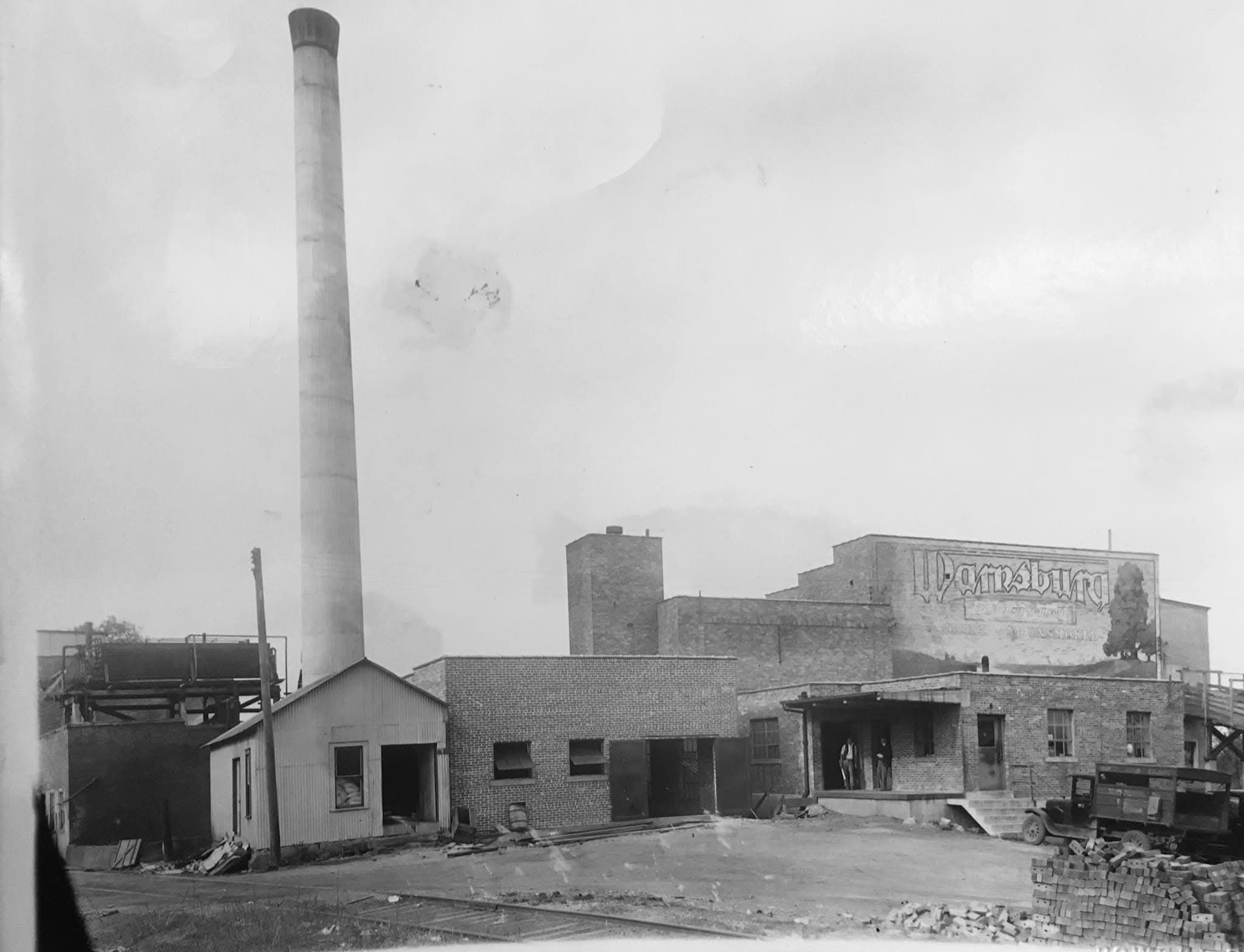
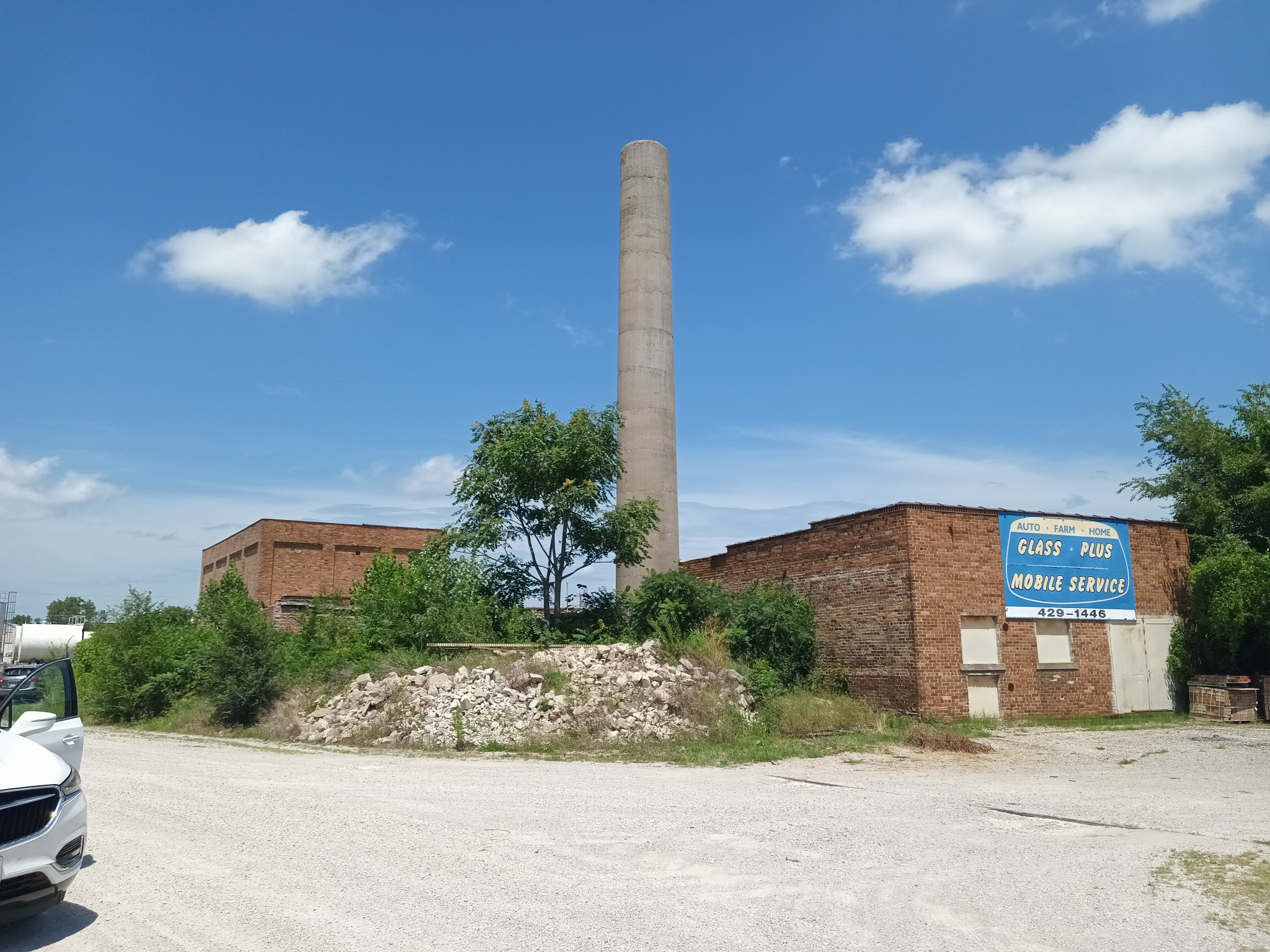
In 1907, Shockey bought out Baile’s interest and moved the packing plant to the Eureka Mills property, bringing much of the equipment with him. The once grain-filled mill was reborn as a modern meatpacking plant and soon became one of Warrensburg’s largest industrial employers.
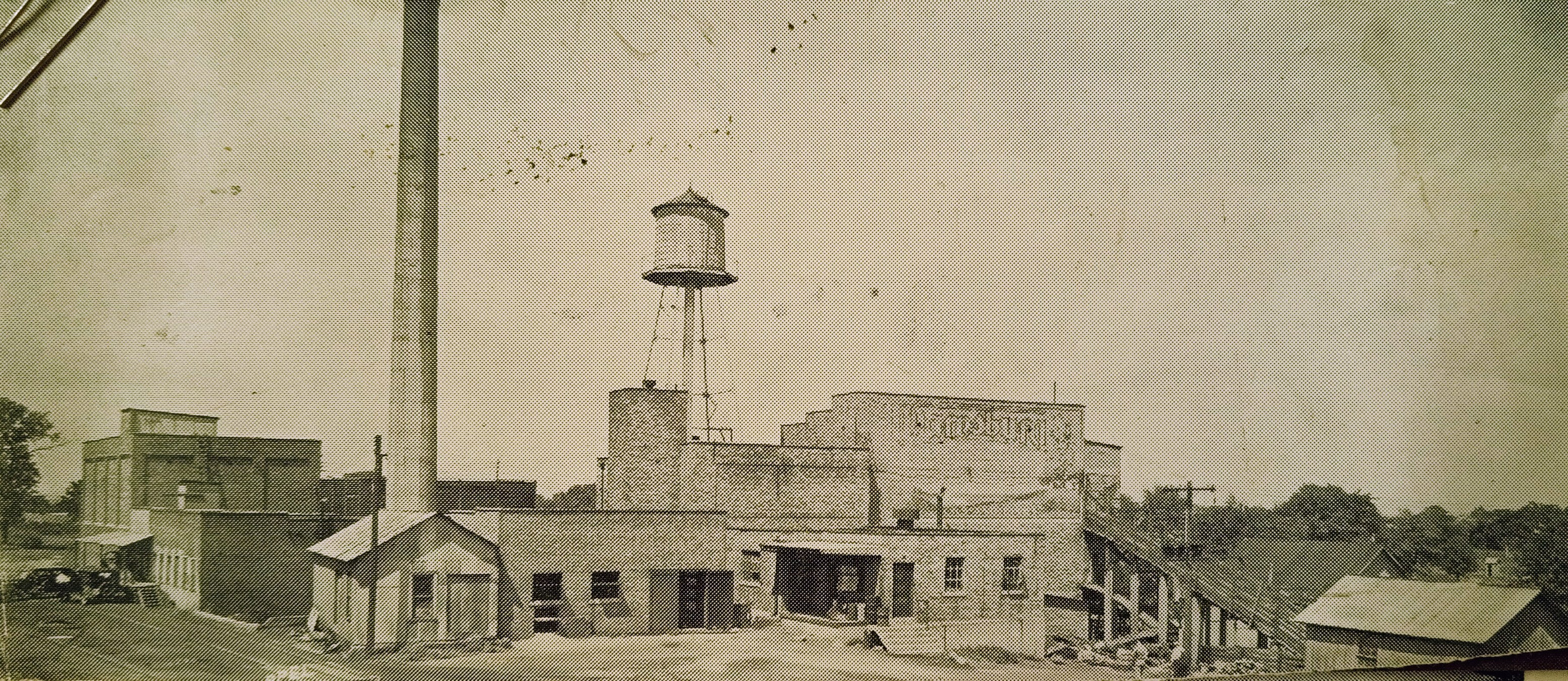
By 1929, the plant, now called the Roseland Packing Plant, had expanded into one of the biggest industrial facilities in the region. Its cold storage room could hold an astonishing 2 million pounds of ice, or 20,000 blocks, each weighing 100 pounds. The plant’s 104-foot concrete smokestack, automated furnace, and year-round refrigeration system represented cutting-edge technology for the era.
Roseland processed about 17,000 hogs each year, producing sausage so popular that it became known statewide as Warrensburg Sausage. To stand out, the company even registered the brand name Warnsburg in 1924, intentionally misspelling the city’s name to draw attention.
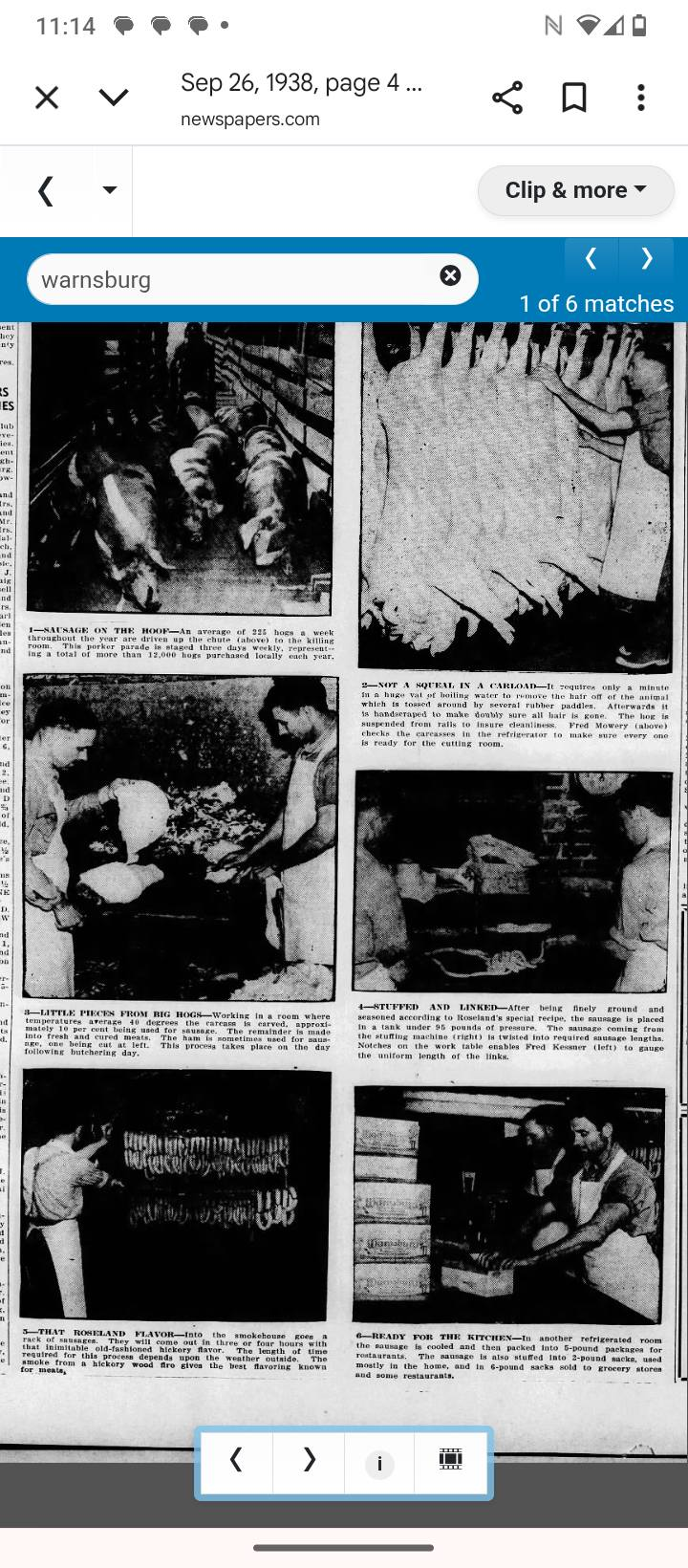
The hogs went onto the conveyer belt and into the killing room. There was a long shoot that drained the blood into the fertilizer vats outside, and all the fat was rendered into lard. The plant did process beef and even chickens at various times.
Pretty large enterprise that started from a farm butcher.
By September 1951, after decades of success and some complaints from neighbors about the smell, Roseland Packing Company shut down operations in Warrensburg and relocated to Sedalia.
Swish-err
In October 1952, the property found new life when it was purchased by Henry Swisher of Leeton and his sons Ray, Gene, and Max. Together, they founded the Swisher Mower and Machine Company and set up production in one of the main buildings of the old Roseland packing plant.
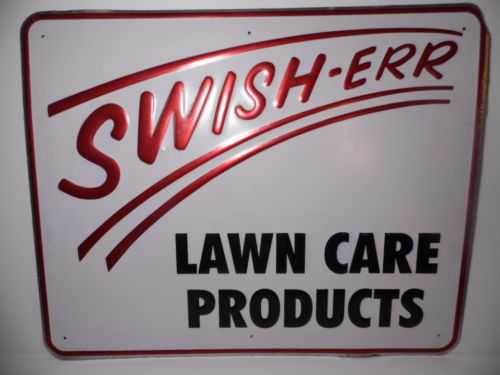
At just 22 years old, Max Swisher had designed a new kind of self-propelled rotary lawn mower, the Swish err. After two years of perfecting the design, production began under the brand name Mohawk, with early prototypes built on the Swisher family farm three miles north of Leeton.
After the gasoline engine-powered rotary mower was invented by Missourian Leonard Goodall and manufactured in Warrensburg, the next big innovation was the riding rotary lawn mower. As yards got bigger, they became essential to the lawn’s caretaker.
It was the invention of the zero radius-turning mower by Max Swisher, however, that really increased the speed and ease of mowing a large yard and actually made it fun.
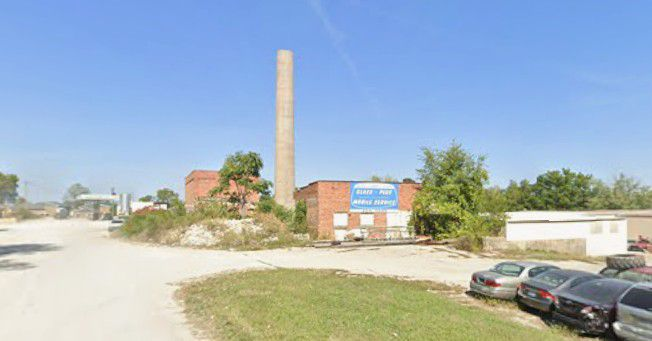
The company grew rapidly, remaining at the former Eureka Mills property until 1999, when it moved to a modern facility in Warrensburg’s northeast industrial park.
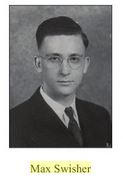
The man who created the first commercially available zero turn mower, Max Swisher.
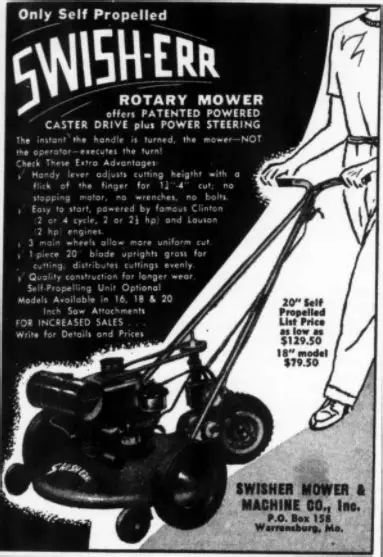
From humble beginnings in Missouri, Swisher’s story began when Max Swisher, tired of mowing his lawn, built a homemade mower that worked while he relaxed under a tree. That simple idea sparked a legacy of innovation — from creating the first self-propelled mower in 1945 to the first riding mower in 1955. Today, Swisher Mower and Machine Company continues to thrive from its headquarters in Warrensburg, Missouri.
Written by
Sourced
Standard-Herald Star-Journal History of Johnson County 1918 Johnson County Historical Society Archives
 Johnson County (MO) Historical Society
You must be logged in to post a comment.