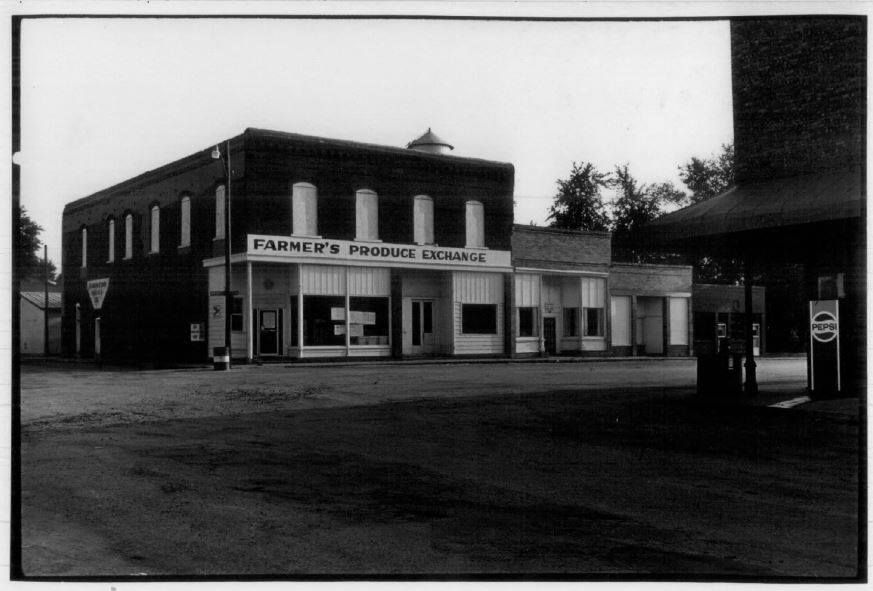
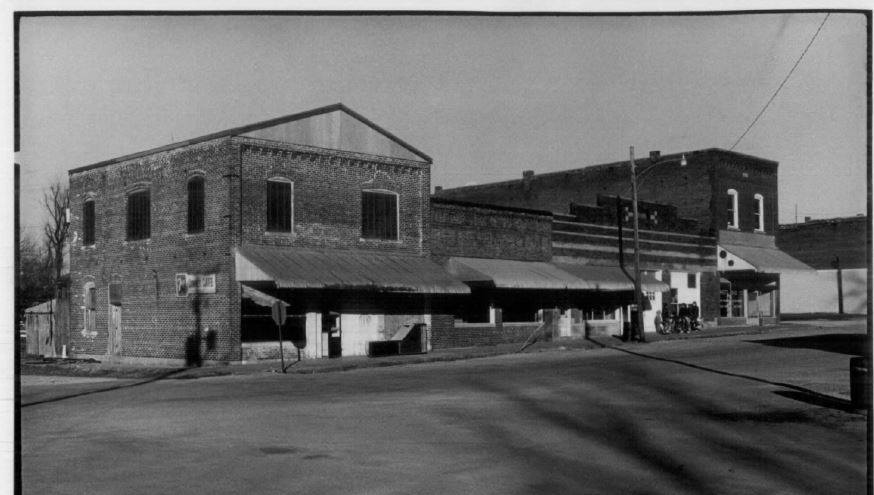
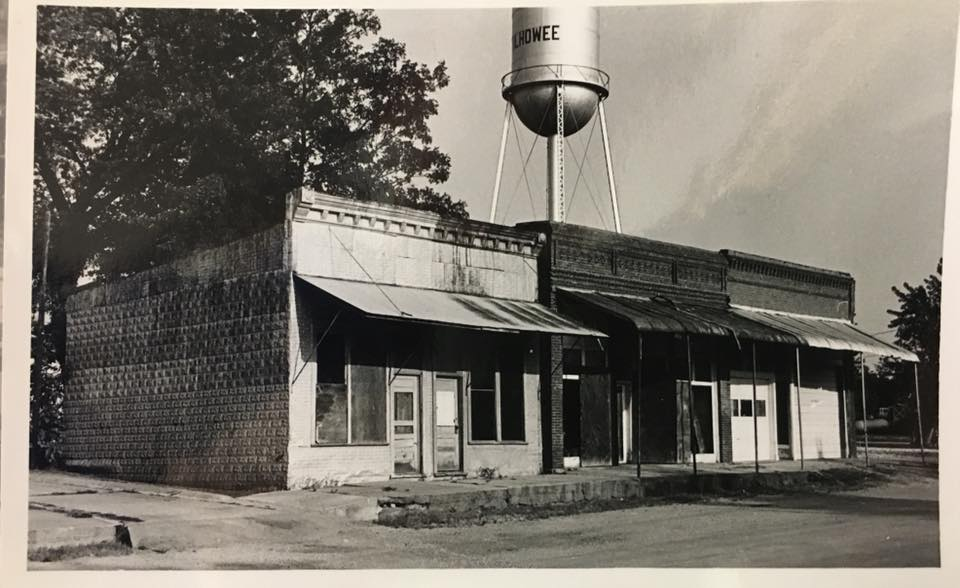
The Chilhowee Historic District in Johnson County, Missouri, is a nationally recognized historic area that includes 21 significant buildings within Chilhowee’s central business district. Developed between 1904 and 1930, the district showcases Late Victorian architecture. Key buildings include the Farmers Bank, Murphy Bros. Hardware, Valentine & Son’s General Store, Farmers Produce Exchange, Chilhowee Senior Citizens Building, Chilhowee Bank, and the City garage.
In 1855, a man named Simpson, who had recently acquired land from the U.S. government, attempted to move a house to his new property. While crossing a section of Johnson County, his equipment broke down, leaving him stranded in the middle of nowhere with his house. With few options available, Simpson decided to leave the house where it was and started a store. He was soon joined by his brother-in-law, McFarland, and together they built homes for their families. The store, known as Simpson’s Store, became a central point for the growing community, which eventually became known as Simpson’s Corner.
As the settlement grew, a surveyor plotted it as a town, and there was a need for a formal name. Since many of the families had come from an area in Tennessee near the Chilhowee Mountains, they decided to name the town Chilhowee. The town expanded to a two-block-square area with several homes, a post office, a couple of stores, and a blacksmith shop owned by Alonzo Gittings, who also served as the justice of the peace. Despite representing different faiths, the community came together to build a church. Hiram Johnson was contracted to construct the building, but just as it was nearing completion, a tornado struck and destroyed it. Lacking funds to rebuild, Johnson used his own money to fulfill his contract, leaving him financially ruined.
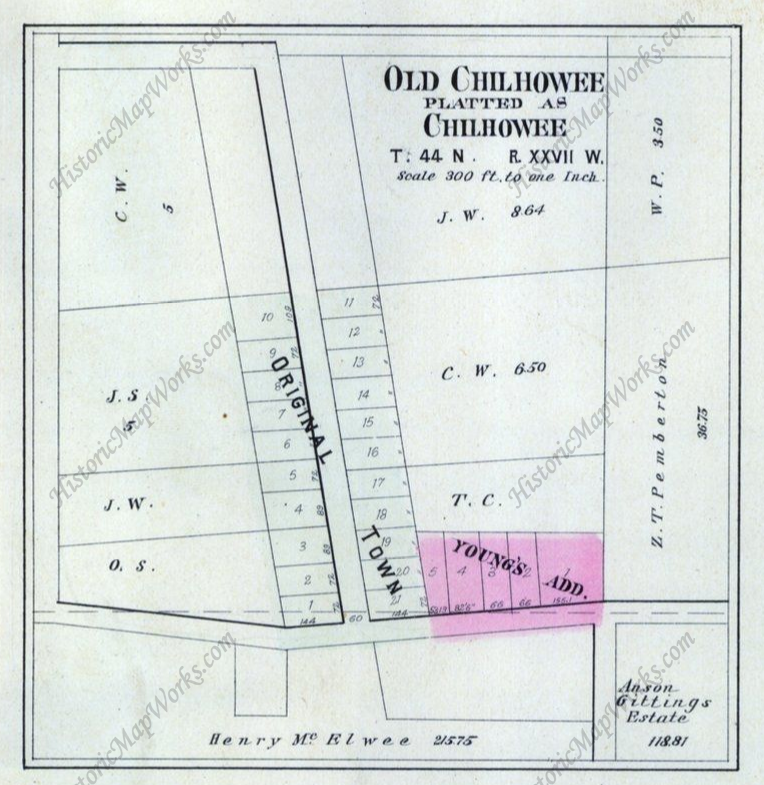
David Simons served as the postmaster, utilizing a handmade Post Office case that is now owned by Mrs. Bill Inglish, a retired postmaster. In 1895, when the MKT Railroad constructed a branch line from Sedalia, Missouri, to Paola, Kansas, it passed a mile south of the town, cutting through land owned by the Young and Barnum families. This land had been surveyed multiple times since the original entries were made at the U.S. Land Office in Boonville by Thomas J. Johnson, A. L. Shortridge, and Elisha Stanley in 1854.
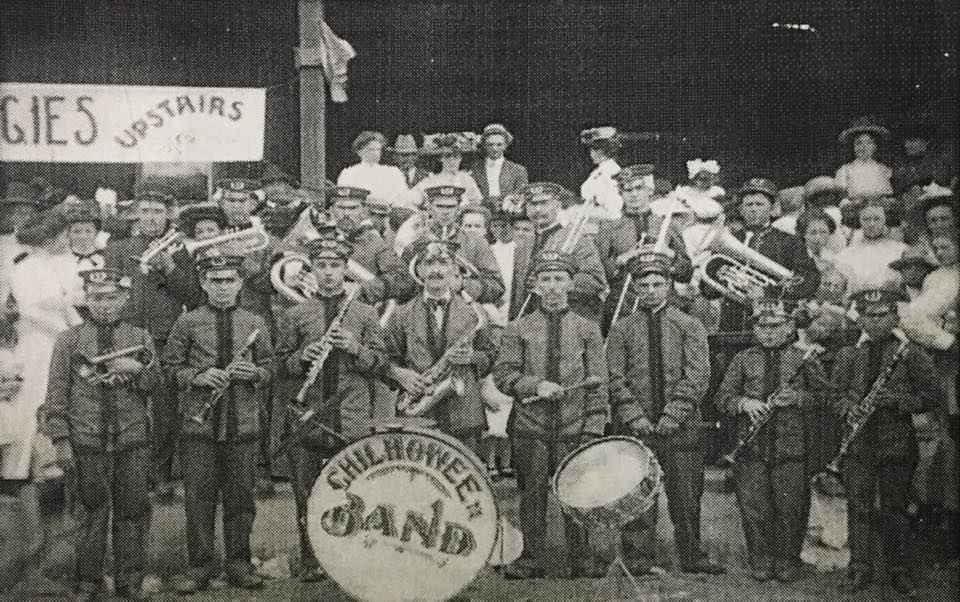
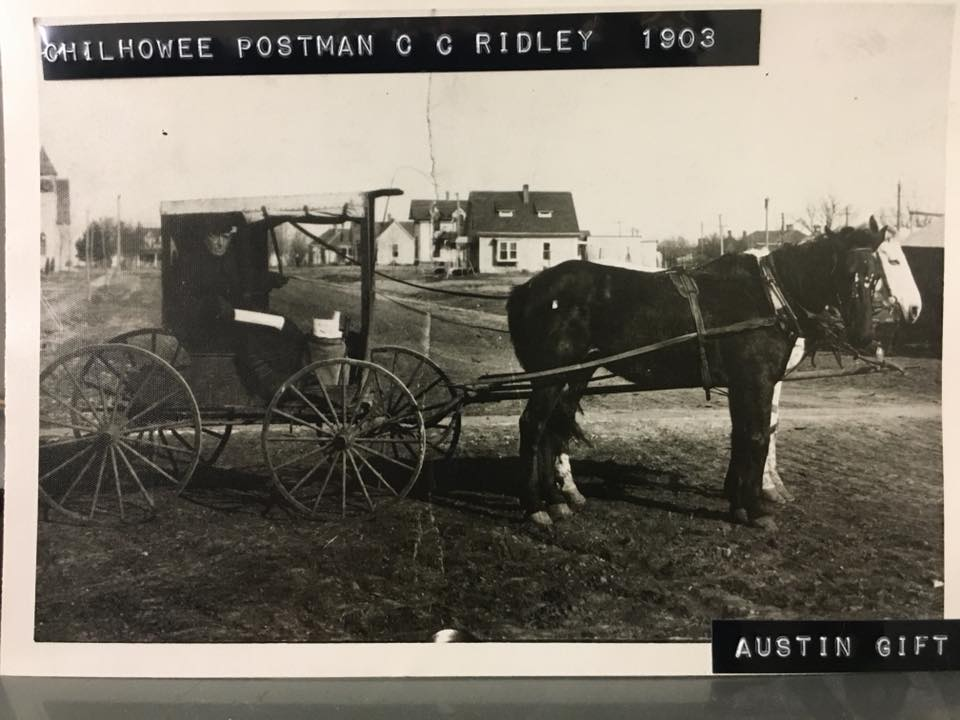
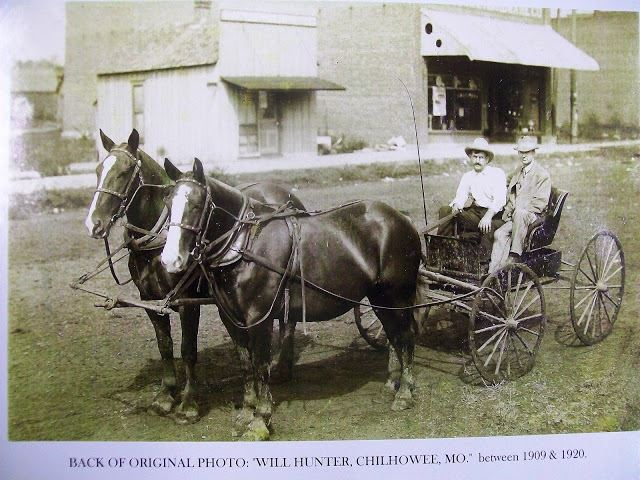
The community of Chilhowee included several prominent families, such as the Youngs, Barnums, Pollocks, Shoemakers, and Starks, who were engaged in various businesses and activities within the town. Notable physicians in the area included Dr. G. T. Starks and Dr. T. S. Howard. A large store was operated by J. A. Young.
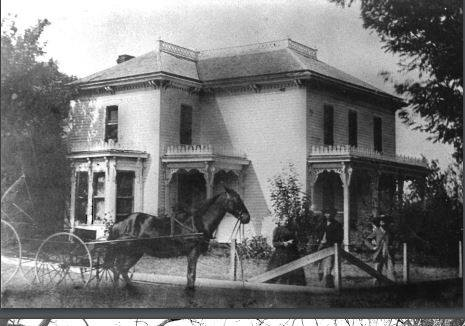
McDougal House
During this period, E. S. Turner, a resident of Chilhowee, operated a threshing rig, while Jim Moore owned a hay baler. They traveled to surrounding farms to provide threshing and baling services.
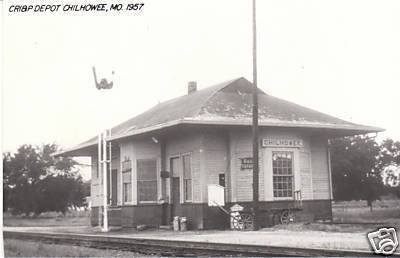
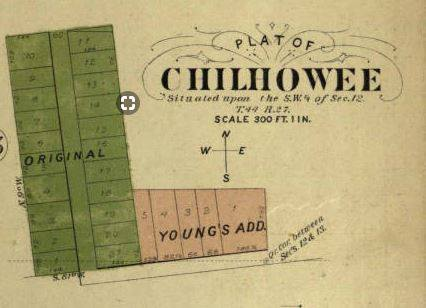
Following the arrival of the railroad, Jonas A. Young and his nephew, Marion Barnum, laid out and plotted a new town of Chilhowee in 1895. An acre of land, inherited by Young and Barnum, was designated as a cemetery on the townsite. As the new town developed, the large store, other businesses, many homes, and even the Union Church were relocated to the new site, marking a significant growth in the town’s development.

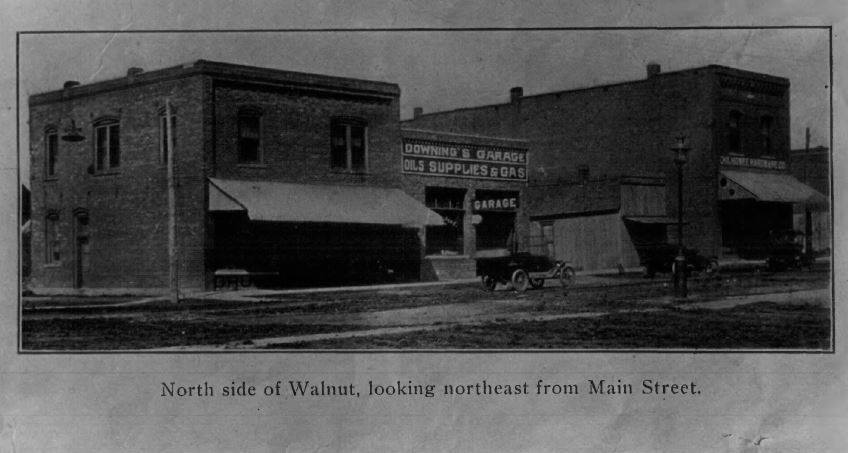
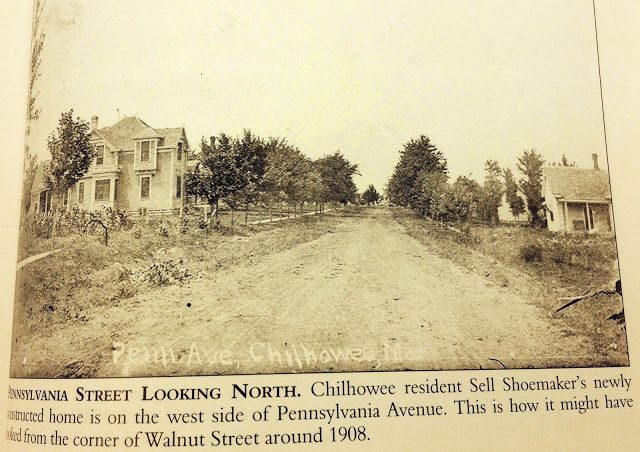
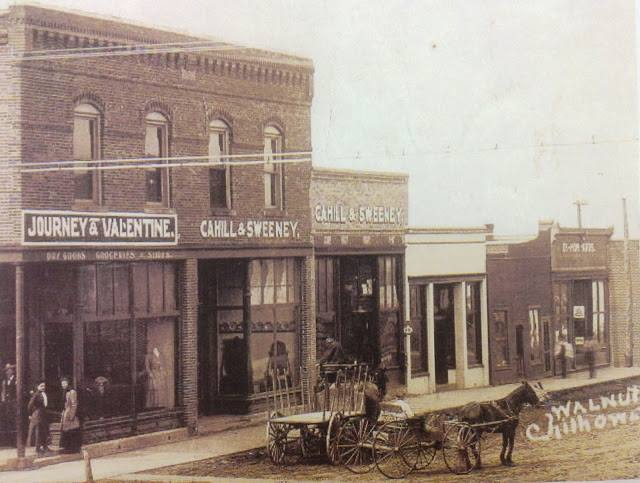
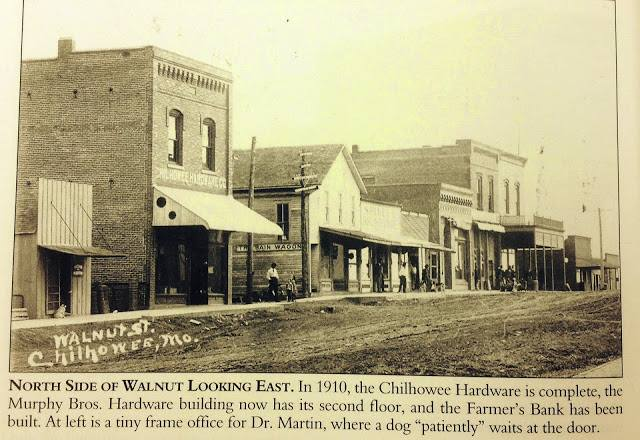
1908 view of Walnut St. Chilhowee, Mo.

By the turn of the century, the new town of Chilhowee had expanded significantly, while the original settlement became known as Old Town. The town featured three general stores, a drugstore, a restaurant, two churches, a post office, a barbershop, a livery stable, two blacksmith shops, a telephone exchange, a lumber yard, and various other establishments. A railroad depot was constructed, and the town’s first bank, a brick structure, was established around 1900 by a man named Clevenger, whose fine home still stands today. In 1890, a newspaper, The Chilhowee News, was founded and initially edited by Victor Waters, followed by C. A. Crumbaugh. Though it experienced several interruptions, the newspaper continued publication under various editors until the 1940s.
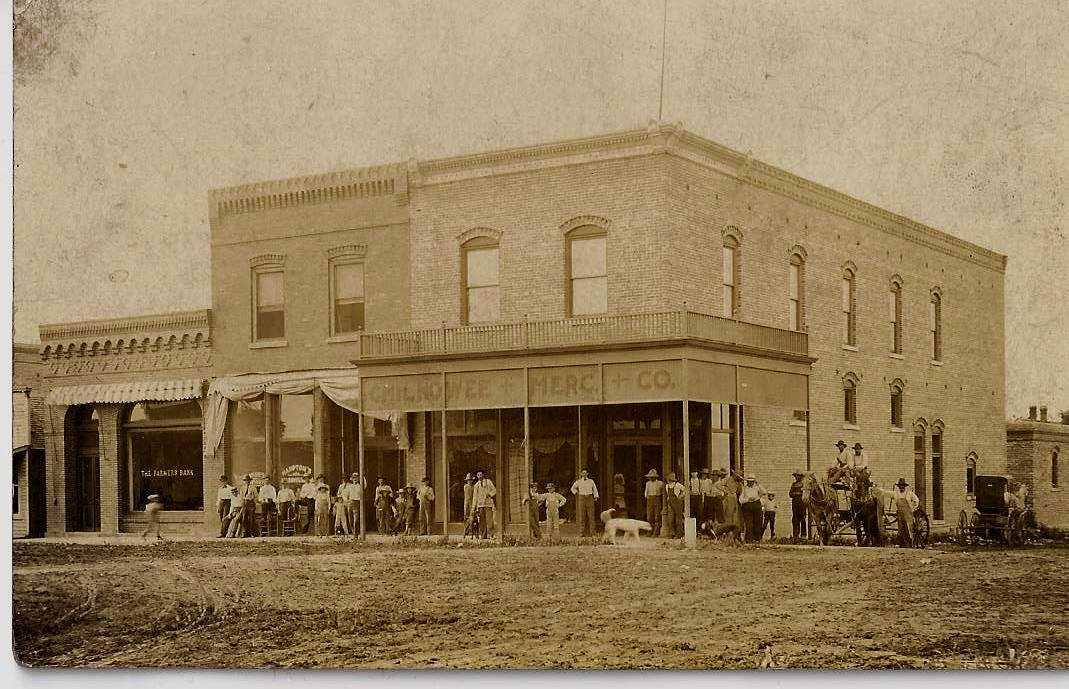
The town experienced a significant boom in 1904 when the Chicago, Rock Island, and Pacific Railroad built a line from St. Louis to Kansas City that ran along the southern edge of Chilhowee. During this time, the post office expanded to include four rural mail routes.
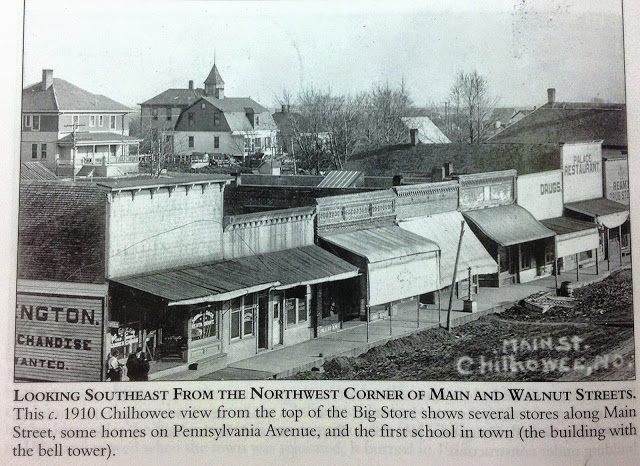
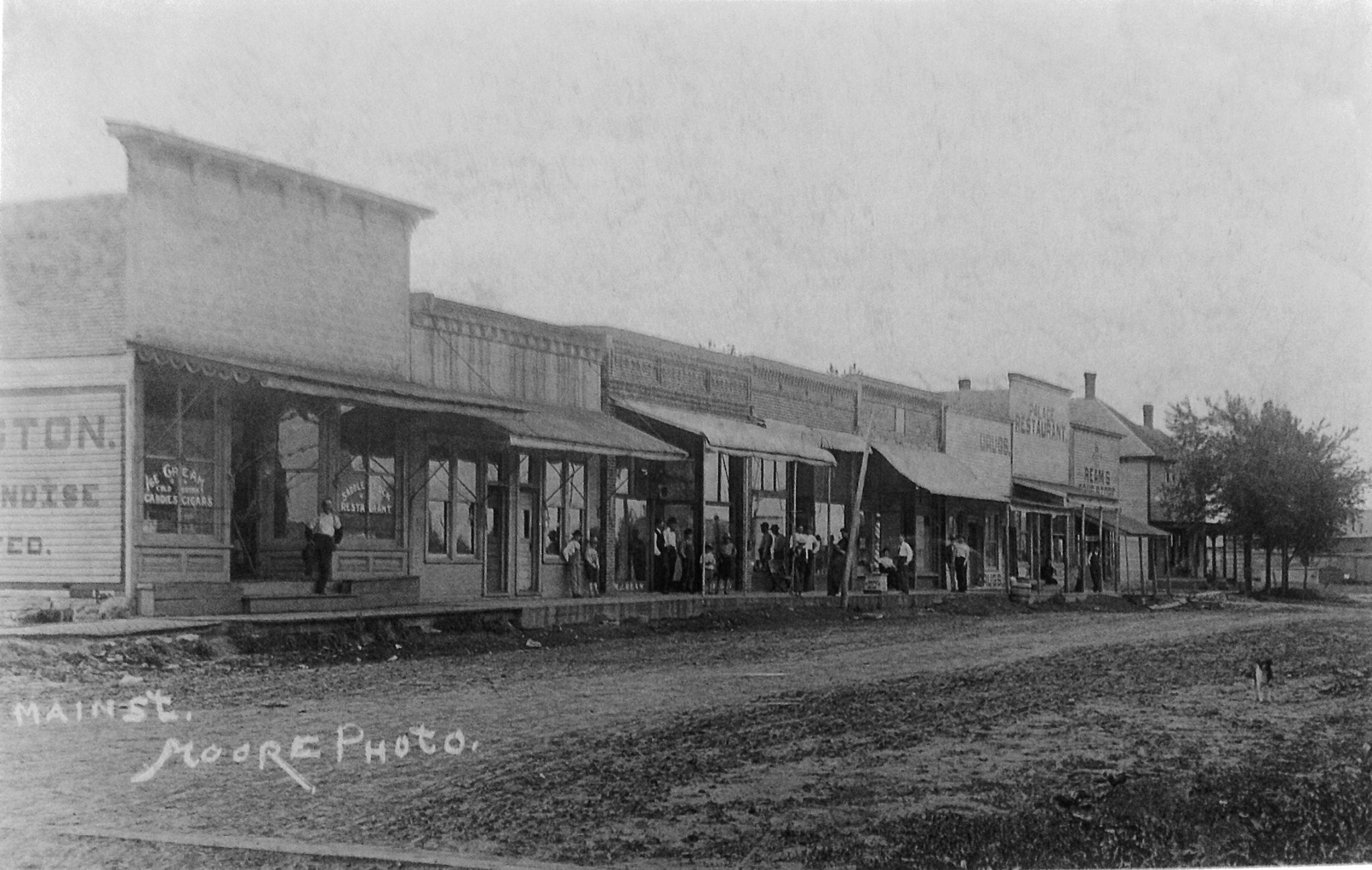
Around the same period, coal was discovered in the surrounding area, leading to the development of a mining industry that employed about 100 workers. The town’s infrastructure began to modernize as well, with concrete sidewalks replacing wooden boardwalks and brick buildings replacing wooden structures. The population grew to 732, and Chilhowee now boasted two banks, three large general stores, three drugstores, three doctors, a dentist, two veterinarians, a harness shop, two hardware stores, a hotel, and two livery stables. The local school, originally a two-room building serving eight grades, expanded to include high school grades.

advent of the automobile in 1910 brought further changes, including the establishment of a garage and two filling stations. Located in a prosperous agricultural region, Chilhowee became a popular trading center. A Masonic lodge and an Order of the Eastern Star chapter were organized around 1902, both of which continue to this day. Numerous new homes were built, reflecting the town’s strong sense of civic pride.

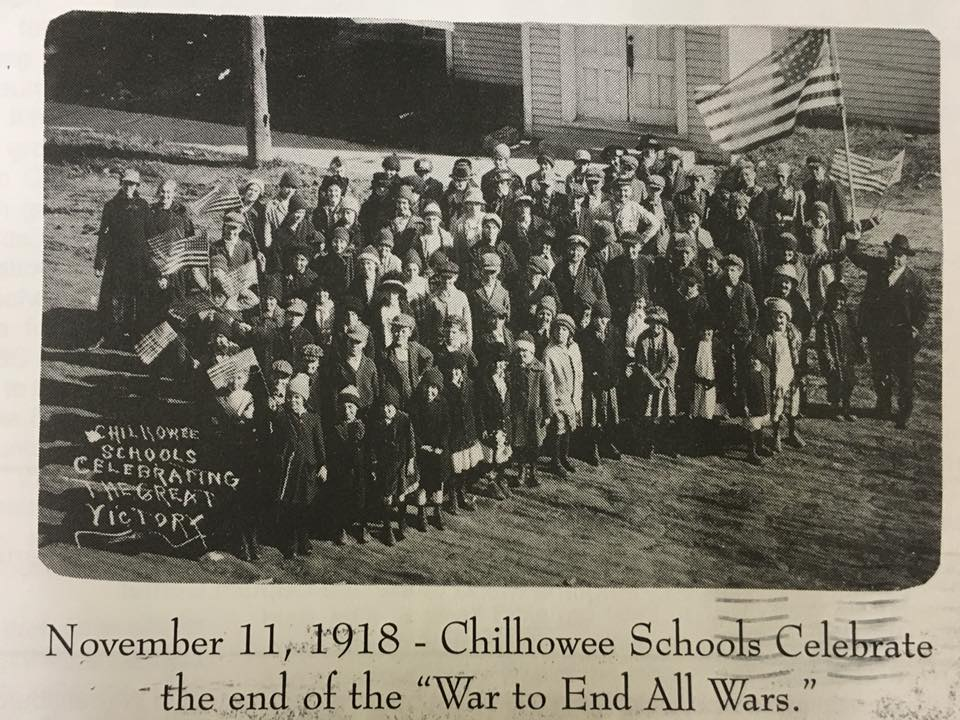
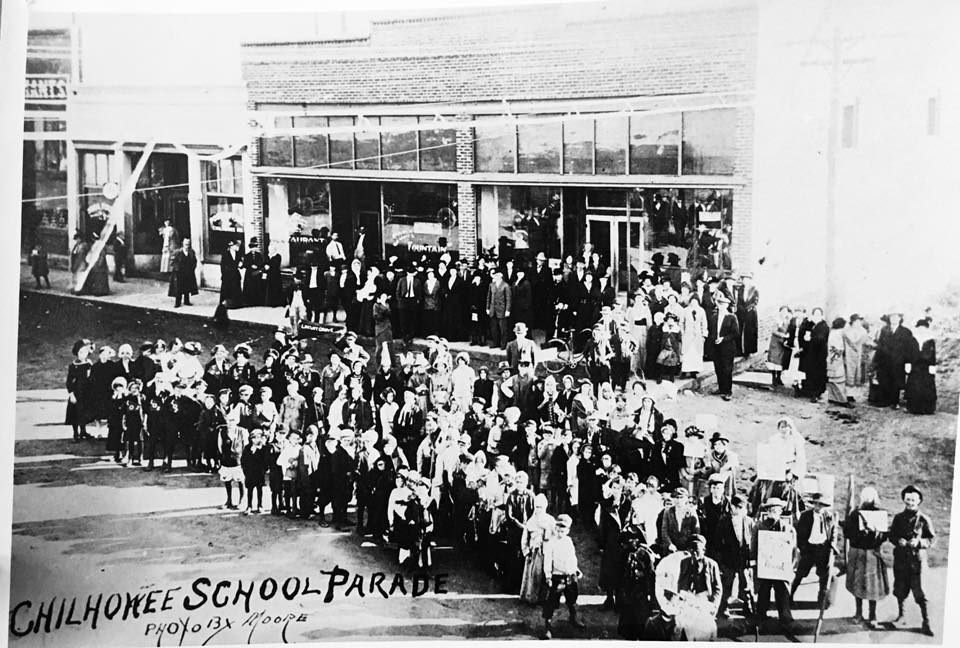
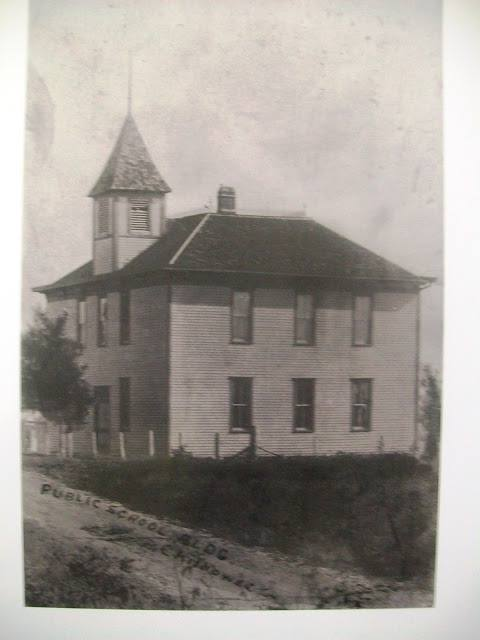
In 1919, a new school building was constructed to accommodate a four-year high school, following the merger of several school districts. This new facility included both an elementary school and a high school, offering vocational subjects as well. The old school building and its lot were sold to R. E. Payton, who served as the MKT Railroad agent from 1917 to 1943. The Paytons demolished the old building and erected a new home on the site. They later moved to Sedalia, where they currently reside at 2505 West Eleventh Street.
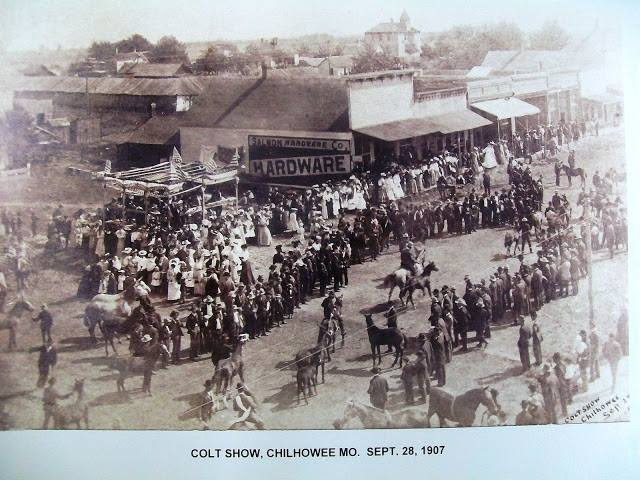
The Old Settlers Reunion, organized for the early settlers of Johnson and Henry Counties, was a significant annual event held every June until the onset of World War I. The reunion, along with the Colt Show held each fall, attracted large crowds and became an important part of the community’s social calendar. However, the early 1920s were challenging times for Chilhowee, as Kansas City’s notorious gangs frequently targeted local merchants, leading to a tense atmosphere where store owners resorted to sleeping in their shops to protect their businesses.
In April 1923, E. S. (Cap) Turner was walking from a filling station to a store where he planned to spend the night with a merchant when he was accosted by an armed assailant. The bandit ordered Turner to keep walking, which he did, eventually ducking into an alley and reaching the store safely. Although the robber searched Turner, he failed to find his wallet, cleverly concealed under a handkerchief in his hip pocket. Unbeknownst to either party, two gangs were in town that night, each unaware of the other’s presence. Mistaking each other for local vigilantes, the gangs engaged in a fierce gunfight in the heart of town. During the skirmish, a man known as Old Jim was shot in the abdomen. Despite being treated in Dr. Martin’s office, he succumbed to his injuries after a few days. A trial was held in Chilhowee, but none of the men involved were ever convicted.

Among the early businessmen in Chilhowee were Journey, Valentine, and Inglish, collectively known as the “Three Bills.” William Inglish, now 88 years old, is the last surviving member of this trio. Other notable figures who have since passed include Drs. Stark, Howard, Martin, and Joseph Beatty, druggist M. J. Ream, store owner Charles Pollock, banker Judge William P. Hunt, merchant S. S. Shoemaker, hardware dealers Solomon Cowden and Moore, morticians Sweeney and Cook, and lumbermen John I. Wright, Joe Gnevar, and J. W. Wright.

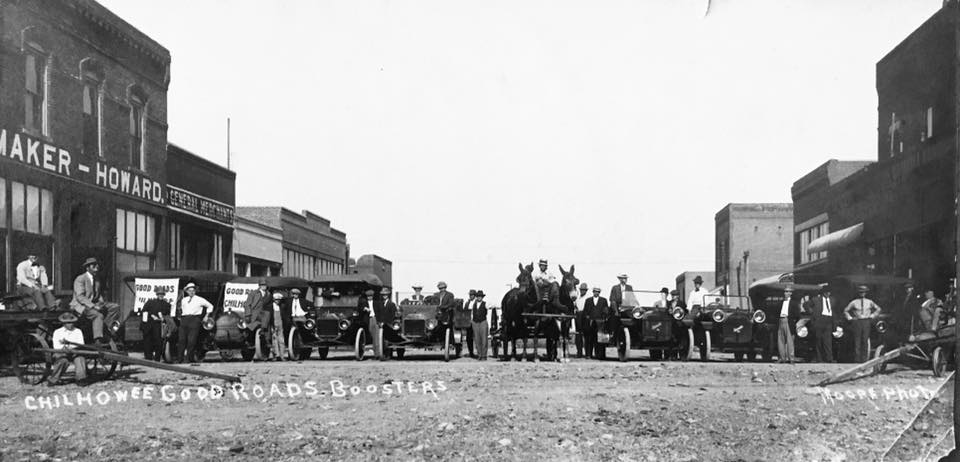
The progressive citizens of Chilhowee and the surrounding areas launched a campaign for better roads, using their Model T Fords, horse-drawn buggies, and wagons to advocate for improved infrastructure. They succeeded in their efforts, but the new roads had an unintended consequence—people began traveling elsewhere for shopping, church, and other activities, leading to a decline in the town’s prosperity. The trains that had once spurred the town’s growth also ceased operations, and the Great Depression further exacerbated the town’s struggles. Despite these challenges, Chilhowee, known as the “Little City on the Divide” for its location near the Johnson and Henry County line, did not give up. The town’s strong civic pride has endured, and today it boasts a city water system, a large gas company serving surrounding towns, two supermarkets, a paint and gift shop, a lumberyard, two churches with full-time services, and new homes.
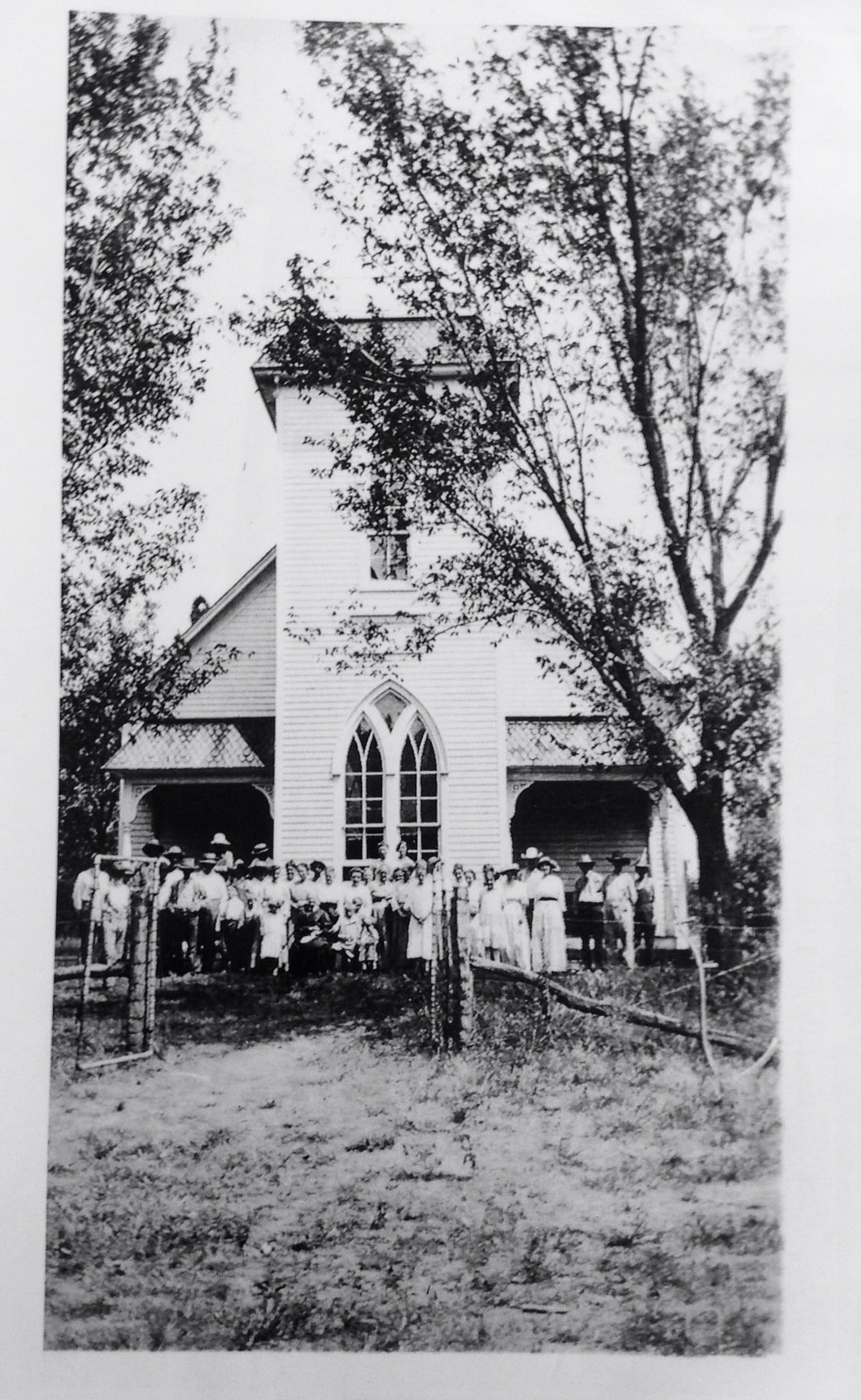
Pisgah Church
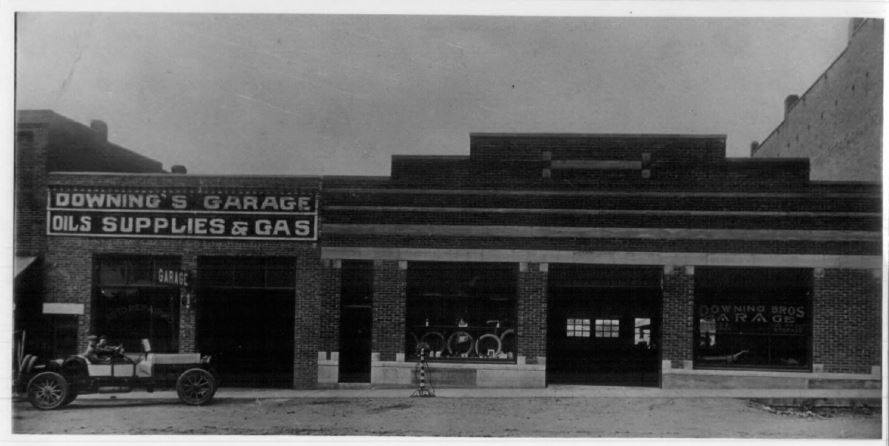
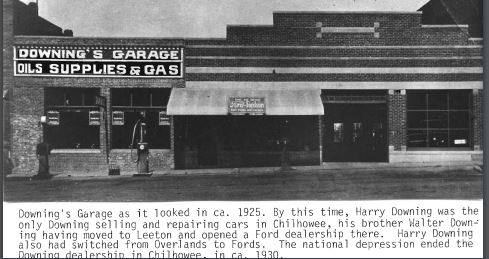
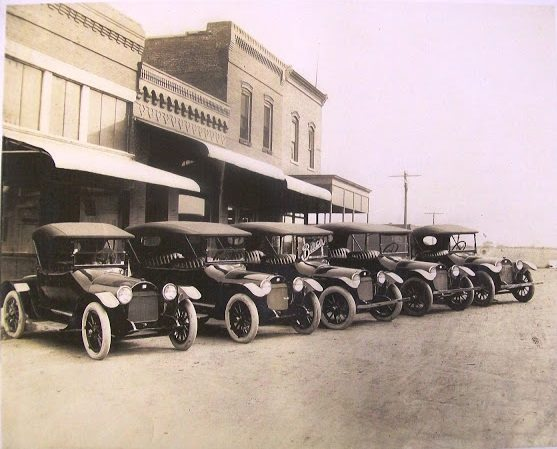
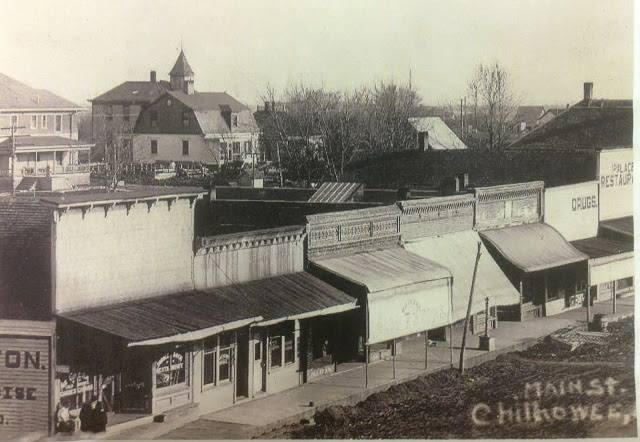
North side of Walnut St. Looking East. Buicks on Sale
The Union Church, which was relocated from Old Town, is now known as the Community United Methodist Church and maintains an active congregation. After a fire damaged the interior, the church was renovated, and educational rooms and a pastor’s study were added. The MFA operates the Farmers Exchange, an elevator, and a lumberyard. Chilhowee also hosts one of the best small community fairs in the state, a two-day event that draws around 10,000 attendees, including an estimated 6,000 at the horse show alone. Three buildings from Old Town still stand—the McFarland home built in 1857, the Pollock home, and the Strickland home. The former school building is now used for farm storage, reflecting the town’s blend of historical preservation and modern adaptation.

In a nutshell
Chilhowee Township, located in the southern part of the county, was officially established on May 25, 1868. The name “Chilhowee” is believed to have been chosen by Muron Perry, a surveyor from Tennessee. He may have named it after the Chilhowee Mountains in Tennessee.
Geography:
Chilhowee Township covers an area of 73 square miles, or 46,720 acres. It lies between the Post Oak tributaries to the northeast and Bear Creek and Big Creek to the southwest. The Missouri Kansas & Texas railroad runs along the ridge of this watershed.
Indian Mounds:
The township has historical significance due to ancient mound builders. In Section 28, Township 44, Range 27, there are ancient earthworks, and many arrowheads and stone axes have been found nearby.
Early Settlements:
The first settlers arrived in 1829. William Norris and James Hogard were among the earliest, followed by other families like the Fosters, Wrights, Masters, and Conaways in the early 1830s. Norris built the first grist mill in the county, where pioneers from over 40 miles away would come to grind their grain.
Notable Incidents:
One of the few recorded conflicts with Native Americans involved Mrs. Norris, who was briefly captured by a group of Indians before being rescued by local men.
Early Doctors:
Dr. R. Z. R. Wall, born in North Carolina in 1810, was one of the first doctors in the area, providing care across southern Johnson and northern Henry counties. Dr. Joseph Cusick was both the first doctor and schoolteacher in the township.
Churches:
Religious gatherings began as early as 1836, with the first church, Pisgah, built by the Cumberland Presbyterian denomination in 1858. Camp meetings were common by 1841, and several denominations, including Methodist Episcopal and Baptist, established churches.
Cemeteries:
Walnut Grove, or Carpenter’s Cemetery, is likely the oldest in the township. The Chilhowee Cemetery, donated by Hosea Young, dates back to 1868.
Early Schools:
The township had pioneer schools shortly after the first settlers arrived, with teachers like Joseph Cusick and James Blackburn leading early education efforts.
Town Development:
Chilhowee Village began around 1855 when James Simpson set up a small store. The name “Chilhowee” was chosen by surveyor A. M. Perry, possibly in honor of Tennessee’s Chilhowee Mountains. The village moved and developed further when the Missouri, Kansas & Texas railroad was built in 1895.
Modern Chilhowee:
Today, Chilhowee is a thriving town with two banks, an electric light plant, a high school, and several churches. The town was incorporated on February 9, 1907, and continues to grow as a community.

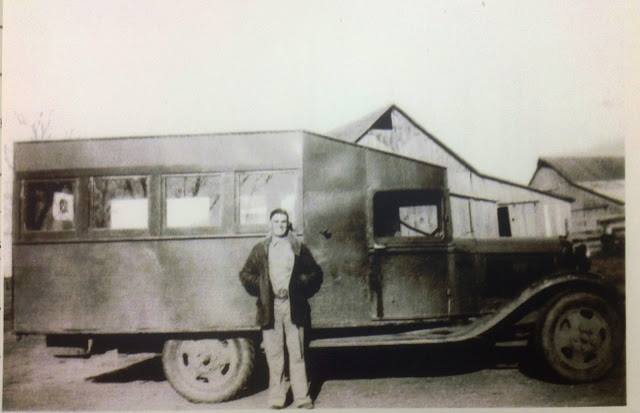
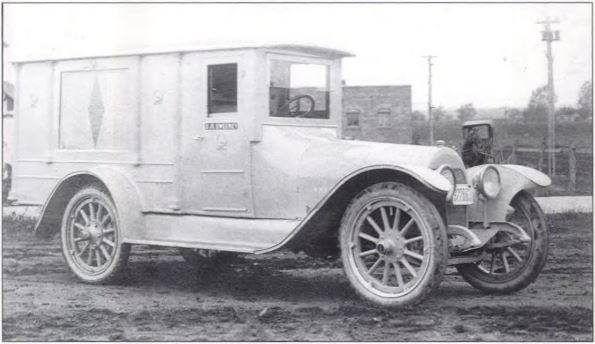
1938 Harold Marshall and School Bus built by Chilhowee Shop Class with Professor Orr and used by Chilhowee and Leeton Schools.
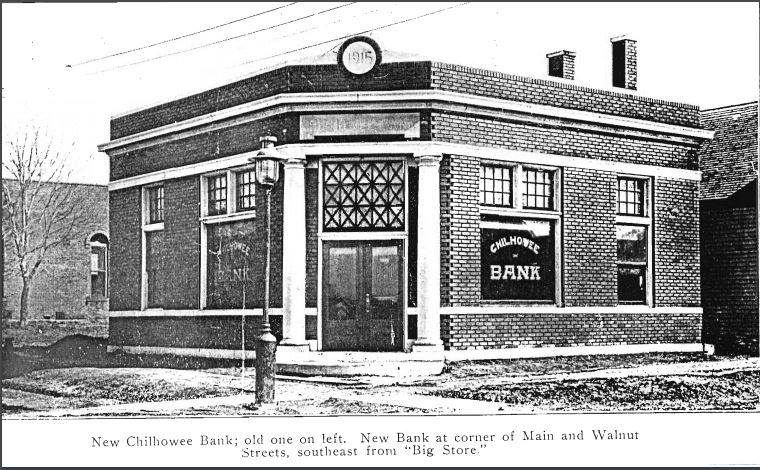
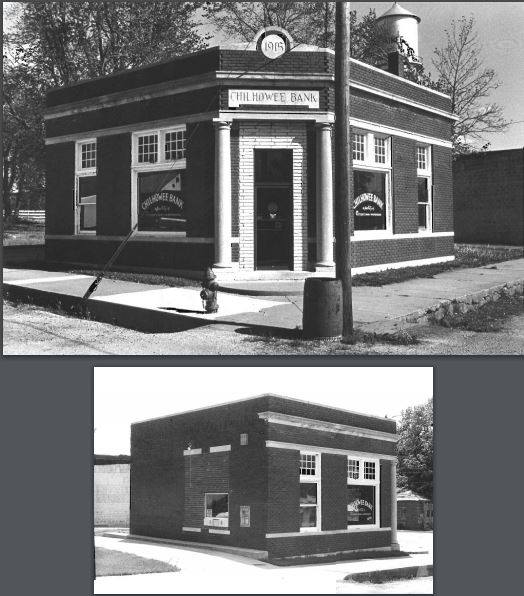

Information and Photos found in the Johnson County Historical Society Archives, Missouri State Historical Society and Ewing Cockrells “History of Johnson County”
 Johnson County (MO) Historical Society
You must be logged in to post a comment.