
Welcome to the Johnson County Historical Society’s Museum Complex
Main St. Museum — The main museum of county history is co-located with the Mary Miller Smiser Heritage Library in a two-level building. On the lower level are the Archives of Johnson County. The street level floor is divided between library holdings and facilities and the museum proper. Currently on exhibit in the museum are artifacts of early pioneer life in the county with lovely handmade local furniture. Also included: Letterwriting, Ladies Fashion and Housekeeping, Medicine and Health, Music, Schools and Pertle Springs.
1838 Courthouse is the site of the famous 1870 Old Drum trial. The ground floor reproduces the original courtroom, while the second floor houses numerous exhibits. Though the courthouse was not completed until 1842, the court had ordered its construction by 1838. Made entirely of local materials, the foundation of sandstone, the handmade bricks and indigenous trees were all carefully constructed into the simple but lovely structure that was the seat of county business and justice from its completion to 1871, very soon after the trial of Old Drum. A special exhibit on the second floor is dedicated to the events of the Civil War in Johnson County. The Courthouse is also the site of special events, such as historic plays, exhibits, and the Eclectic Cafe Concert Series.
Elm School is an early 20th Century one-room school from western Johnson County. It was moved to the Original Courthouse Square of Johnson County in 1996. Lovingly restored, it has been a site for re-enactments of old school days, school tours, meetings and dinners. Visitors are often affected as if by the Fountain of Youth. Just entering the quaint old school revives memories of days in similar schools, mostly good, but some with “old school” punishment involving switches, rulers, dunce caps and chalk circles.

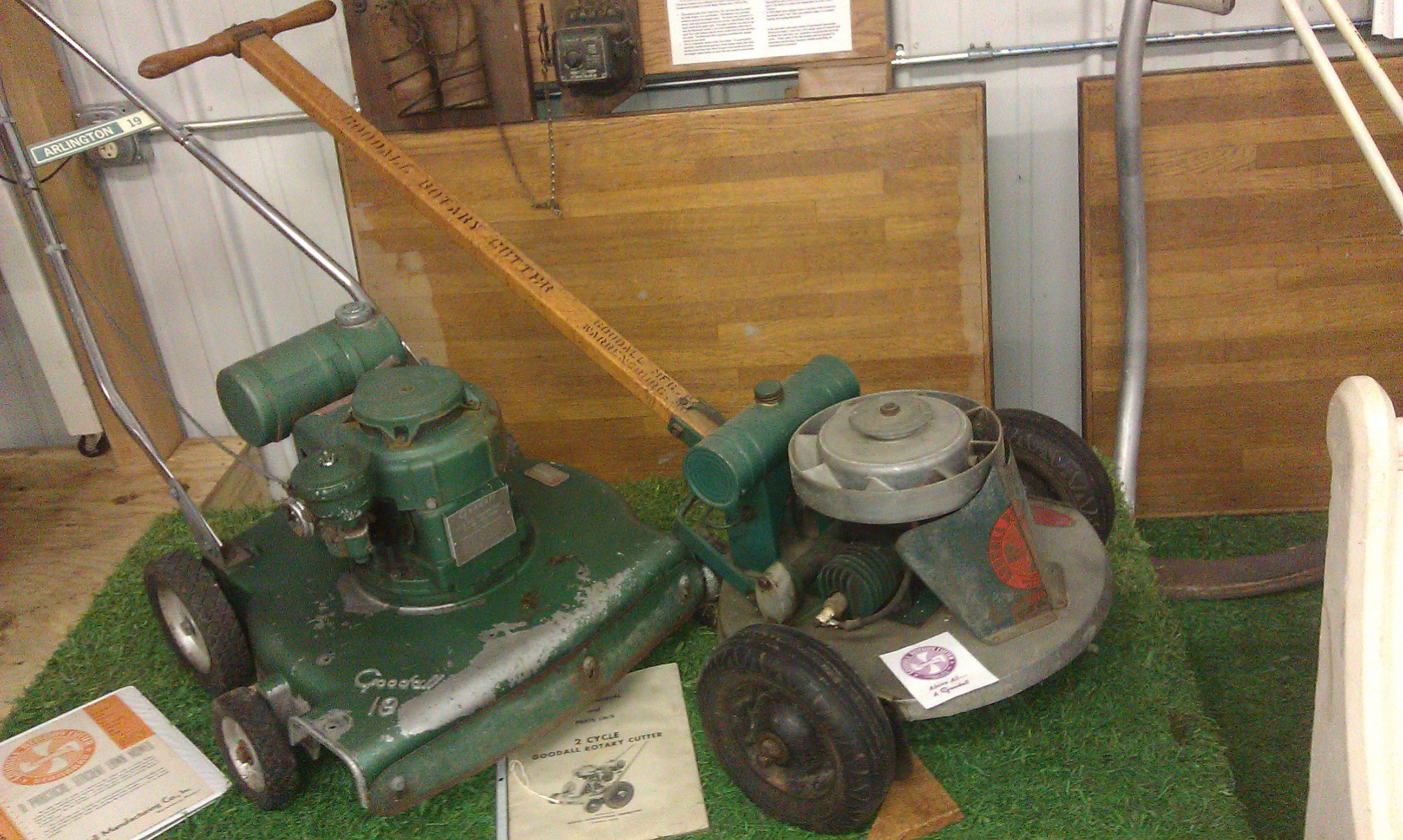
Culp Building—Since 2003, the JCHS has included functional space which houses the collections of Agricultural Implements, Mills, exhibits of Homemaking in the 20th Century, and special exhibits such as New Harmonies. A special feature is an early lawnmower invented by Leonard Goodall. The building can be used for a variety of events: Dances, meetings, dinners, and once even a mouse race.
Hours: 1-4 PM Tuesday and Saturday Closed on most National Holidays.
Email us to Schedule at Tour or Appoint
To Contact us: email: curator@jocomohistory.org
Follow us on https://www.facebook.com/jocomohistory – frequent new pictures & articles.
Postal address: 302 N. Main, Warrensburg, MO, 64093
Phone: 660-747-6480
The Old Courthouse: Johnson County’s Civil War Legacy
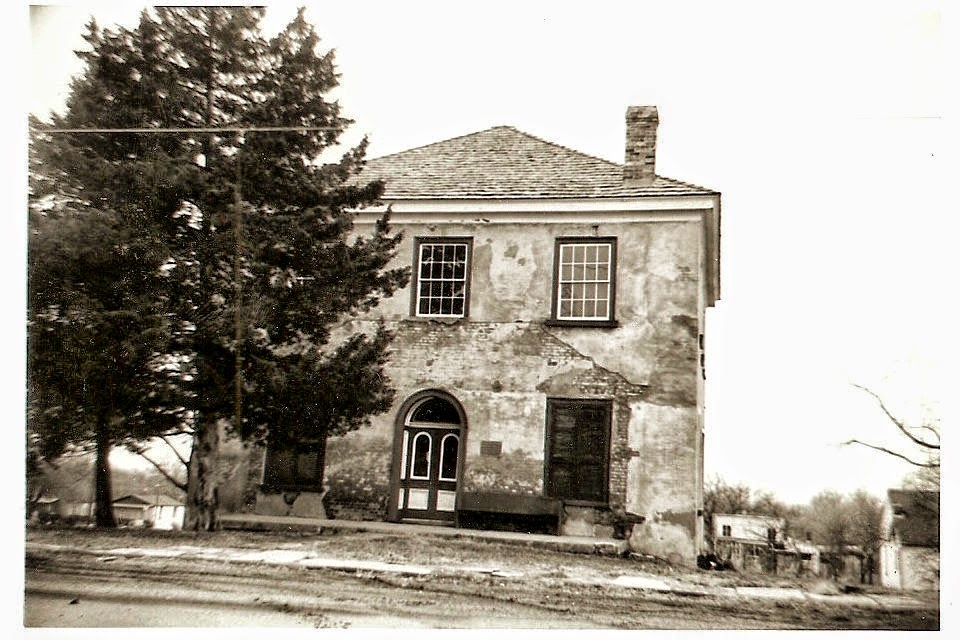
Nestled in the heart of Warrensburg, Missouri, the Old Johnson County Courthouse stands as a testament to the region’s pivotal role in the early stirrings of the American Civil War. Completed in 1842, this Federal-style brick building was the epicenter of local governance and a silent witness to the political tensions that would soon engulf the nation.en.wikipedia.org
On February 18, 1861, just months before the official outbreak of hostilities, the courthouse became the site of a tragic event that underscored the deep divisions within the community. Marsh Foster, the newly elected Unionist county clerk, was fatally shot by William McCown, the son of the former clerk and a staunch Confederate sympathizer. The incident occurred amidst a heated political dispute, with both men vying for influence in a county sharply divided over the issue of secession .
The murder ignited immediate and intense reactions. Unionist sympathizers, led by Emory Foster, Marsh’s brother, retaliated by burning down the McCown family home. In the aftermath, the courthouse became a focal point for both Union and Confederate supporters, each forming militias and organizing drills on the same parade ground. Local lore suggests that these opposing forces, representing the nascent Confederate and Union brigades, alternated use of the grounds for their military preparations
As the war progressed, the courthouse’s role evolved. It served as a Union garrison and was central to Johnson County’s administrative activities until 1871. Following the war, the building underwent various transformations, including use as a school, church, and even a private residence, before being restored in the 1960s by the Johnson County Historical Society
Today, the Old Courthouse stands not only as a historic landmark but also as a symbol of the community’s resilience and its complex Civil War heritage. Visitors can explore its preserved interiors, learn about the infamous trial of Old Drum—the dog whose defense led to the famous “Eulogy of the Dog” speech—and reflect on the turbulent times that shaped the nation’s history. The courthouse remains a poignant reminder of the deep divisions that once tore communities apart and the enduring spirit that helped them heal.

 Johnson County (MO) Historical Society
You must be logged in to post a comment.