The Four Courthouses
by Joyce Simmons-Dorrell
Since its establishment in 1834, Johnson County, Missouri, has relied on dedicated spaces to manage essential civic functions—such as tax collection, deed recording, permitting, and the administration of justice. Over the years, three primary buildings have served as the heart of county governance. While private residences temporarily hosted court sessions during transitional periods, these three structures have been central to the county’s legal and administrative operations.
The first county court meeting was held at the home of an early settler shortly after the county was established. Governor Dunklin selected the first county officials during a poll at Columbus and Gallaher’s Mill (Montserrat) after the county was formed. The first official county court session took place on April 13, 1835 in Columbus Mo. at the home of Mrs. Nicholas Houx, a widow of a county pioneer. Four months later, her home was also used for the first circuit court session in Johnson County.
In 1835, Warrensburg was chosen as the county seat, and the court moved there from Columbus. The first place where court was held in Warrensburg was located at the log home of Henry Colbern, where the court met in 1836.
Building #1
In the following years, the court ordered the construction of a building for county records and offices. An 18-foot square building was built in Old Town and used for court purposes until 1842. This wooden structure was located at the corner of Water and Gay St. and after the court moved, it became the parsonage for the Methodist Church located across the street.
Meanwhile, three commissioners were tasked with finding a permanent site for the courthouse. One of the commissioners, Daniel Morgan Boone, the son of the famous frontiersman, helped select a spot that’s now bounded by West Gay, North Main, West Market, and Water Streets. This site offered a great view of the surrounding area.
Building #2
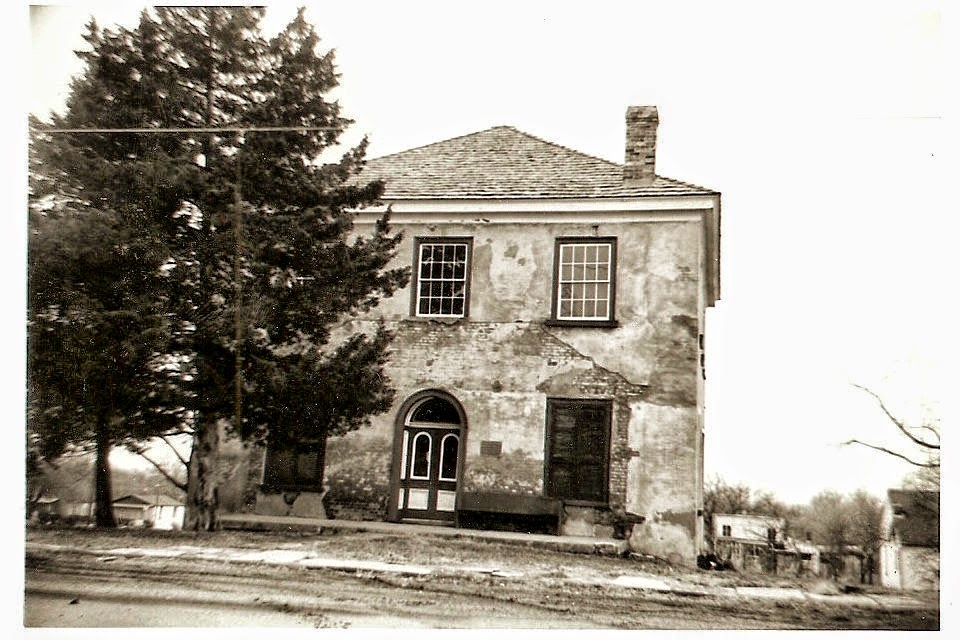
On February 16, 1838, Harvey Dyer was appointed to design the second courthouse, a two-story, 36-foot square building in the Georgian or Federal style. The courthouse, now known as the Old Court House, was completed in 1841 by contractor Joe Wade. Dyer reported some issues with the construction, including the alignment of one wall and the height of the chimneys, but considered most work to be done to contract.
The courthouse wasn’t ready for use until 1842, but once completed, it became the county’s first significant public building. It was used for a variety of purposes, including as a place of worship for several congregations, a schoolhouse, and a community center. It played a central role in Johnson County for three decades, even hosting a speech by Senator George Vest, which added to its historical significance.
In 1861, due to the violence of the Civil War, county records were hidden, with some saying they were placed in a hollow log by Mrs. Mathias Houx and Mrs. “Aunt Polly” Hill. The records were returned after the war. During the Civil War, the railroad reached Warrensburg, and businesses moved away from Old Town. In 1866, the court ordered the construction of new public buildings for up to $75,000, a decision that caused concern among citizens in Holden, who felt burdened by post-war economic struggles. After a vote, the courthouse stayed in its current location, but in 1875, the court moved to New Town.
Building #3
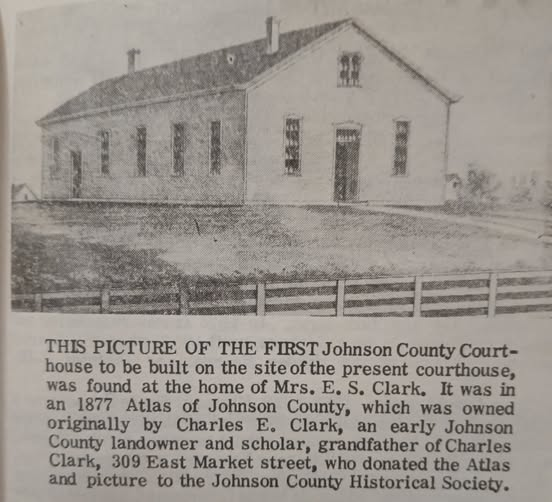
The third courthouse, completed in 1875, was a frame building made from pine lumber. The citizens of Warrensburg donated the funds for its construction. The courthouse was 30 feet wide and 50-60 feet long, resembling a barracks more than a courthouse. It stood on the west side of the present-day square, with a cannon on the front lawn. After just 20 years, dissatisfaction with the building grew. In 1895, some citizens fired a cannon through the courthouse door, which led to the building’s demolition and the construction of a new courthouse.
Building #4.
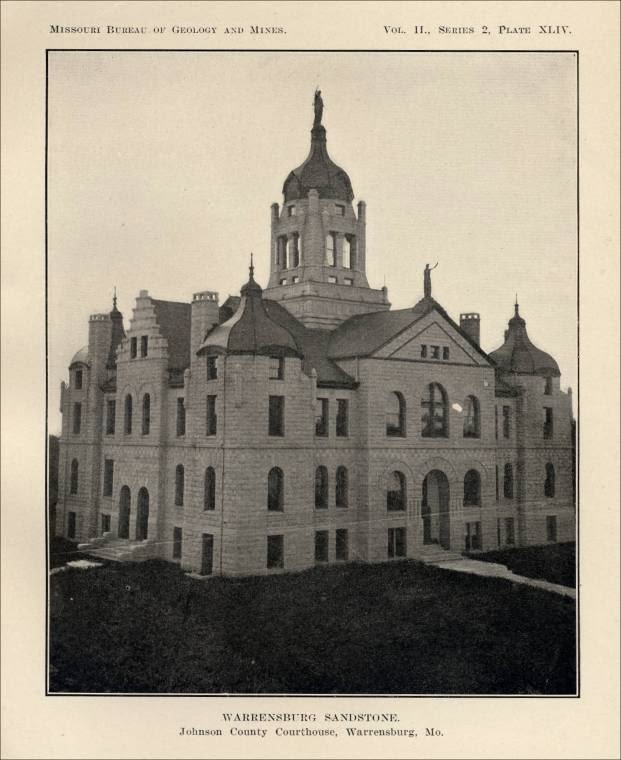
The construction of the fourth courthouse, completed in 1896, marked a defining moment in the county’s history. Built from locally sourced sandstone, the courthouse came with a hefty price tag of $50,921.29—an investment that would stand as a symbol of the area’s growth and ambition. Among its many striking features was a magnificent statue of Minerva, the Goddess of Liberty, poised with a staff topped by a golden orb. Yet, mysteriously, this iconic ball was removed in the mid-1900s, and the reason behind its disappearance remains debatable to this day.
Adding to the courthouse’s grandeur, the clock tower once emitted a brilliant light, visible for miles, that guided travelers to the city. Unfortunately, this beacon of illumination was eventually turned off to cut electricity costs—and it was never restored. The building’s roof also once featured two majestic statues, positioned at the front and back entrances. These figures were removed in the 1960s for restoration but were never returned, leaving behind only the memories of their once-proud presence.
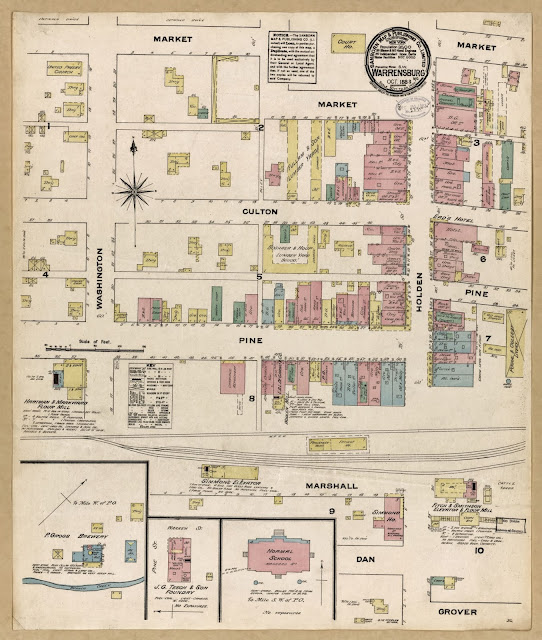
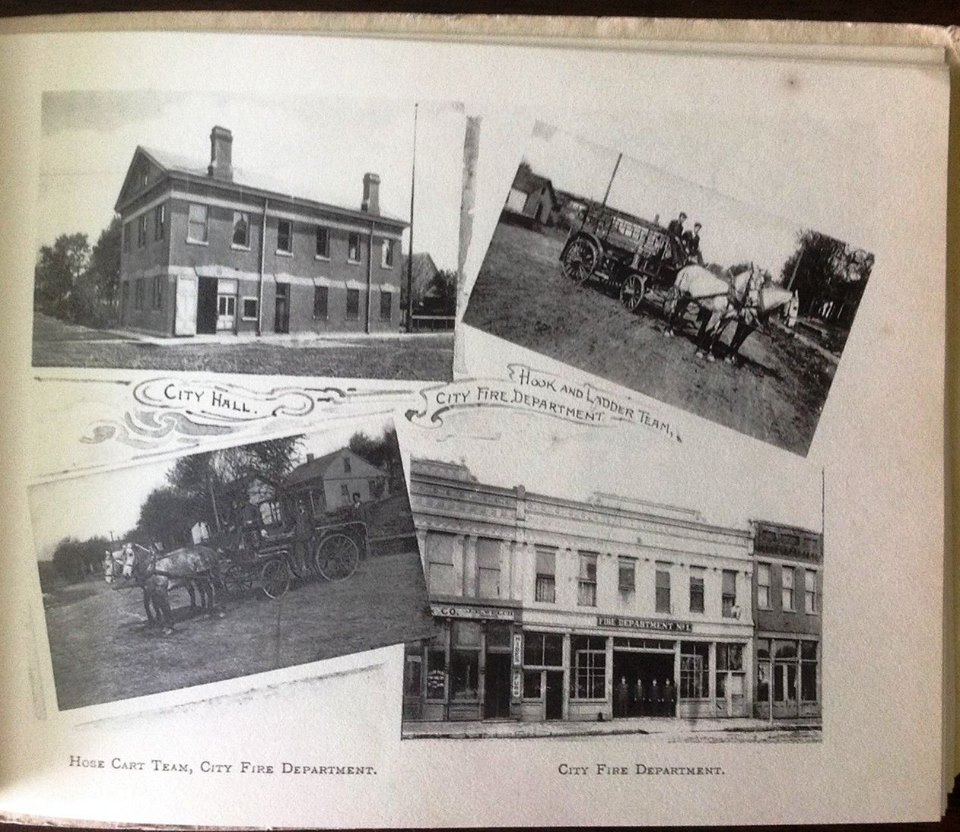
Sanborn Map and Publishing Company Limited Warrensburg Missouri October 1883
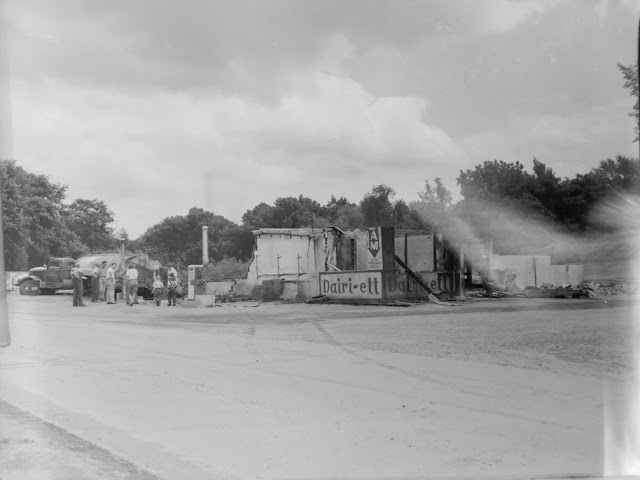
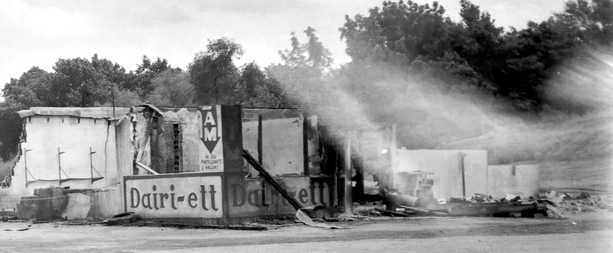
These 3 Picture from our archive are from the Simmons Studio Photography Collection. We are uncertain of the location of the Dairi-ett Creamery, and little is known about it. We guess these were part of the Simmons collection of Insurance Claim photos.
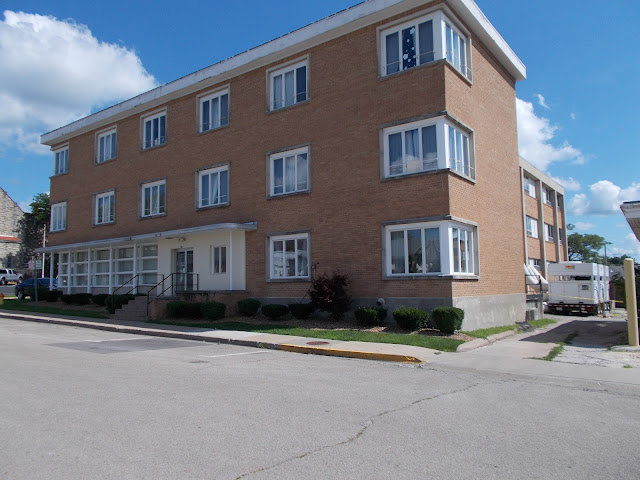
Below is a picture of the nursing staff at The Johnson County Memorial Hospital located on E. Market St. Also, from the Simmons Studio Collection.
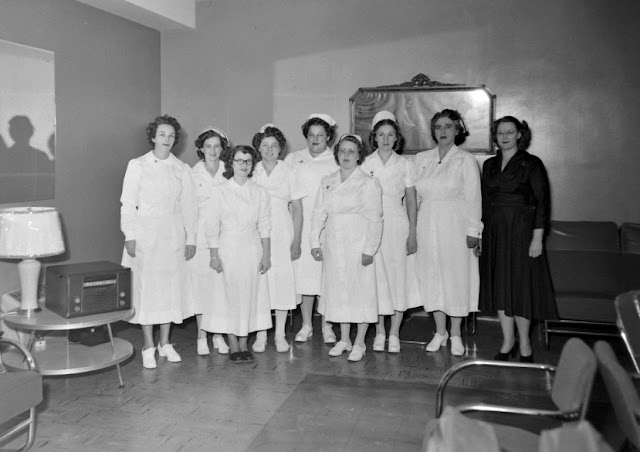
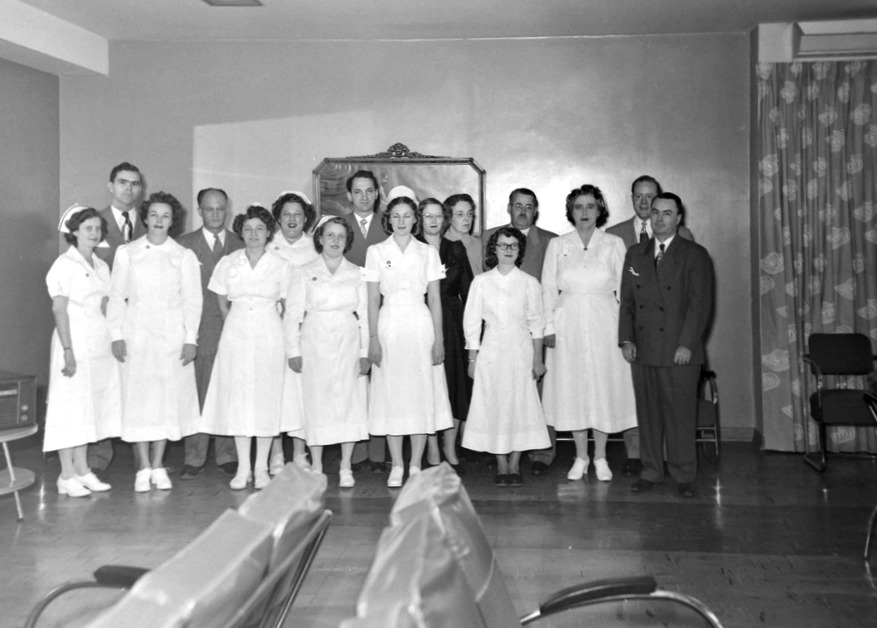
Far right is Dr. Damron and Dr. R Lee Cooper. Dr. Maxson is in the middle of back row.
The building as it appears today.
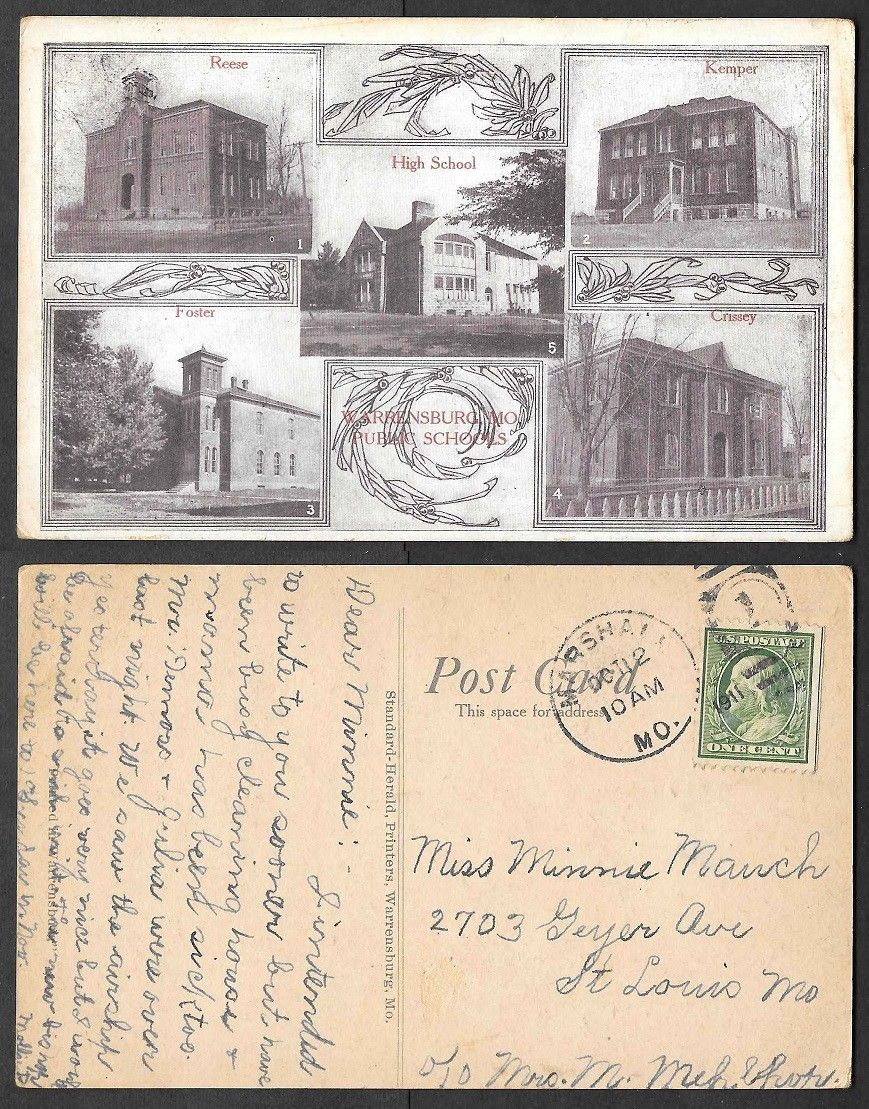
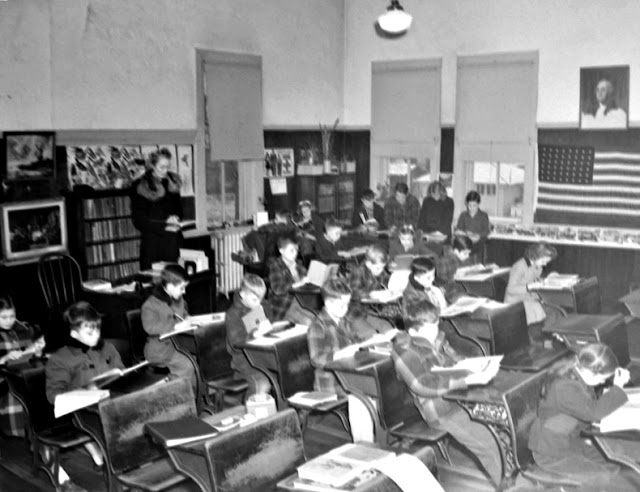
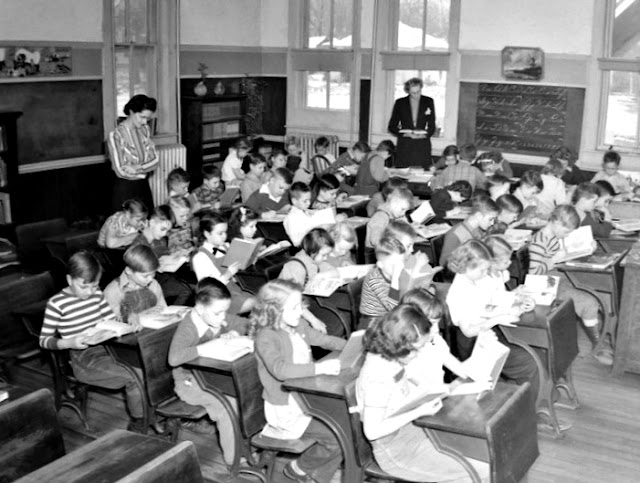
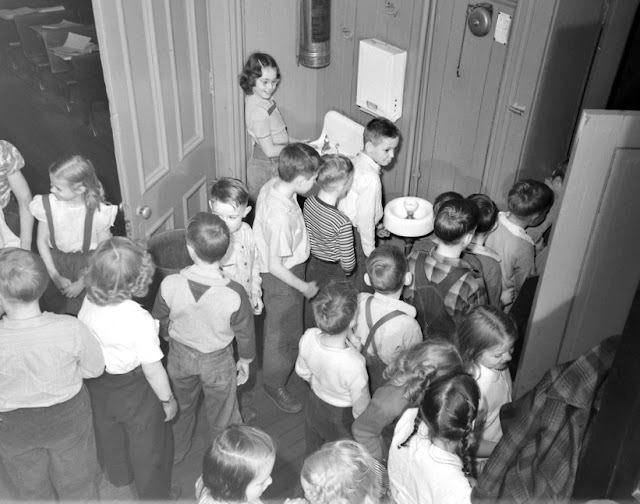
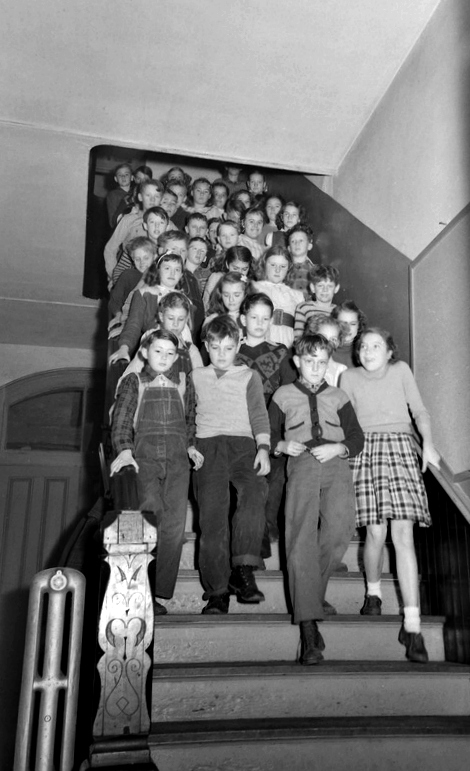
Below are photos taken inside the Original 2-story Reese School on Warren Street near Old Town. Torn Down early 1950’s and One level school rebuilt in same lot.
Pictures likely taken by the superintendent Fred House in the 1940’s to prove to the city that a new school was needed. Notice the kids and teacher all bundled up from the cold. The coal furnace could not keep up.
Howard School Culton St. Old Town
Constructed in 1888, The Howard School stands as the second-oldest surviving African American school in Missouri, with its rich history woven into the fabric of Warrensburg. Its doors closed in 1955, leaving the building on Culton Street vacant, a silent witness to decades of educational legacy.
The genesis of The Howard School traces back to 1867 when Cynthia Ann Reed Briggs and Reverend M. Henry Smith, supported by the African American community, purchased a lot in Warrensburg for the modest sum of $100.23. With the aid of the Freedmen’s Bureau, the one-room frame building, named in honor of General Oliver O. Howard, took shape. Reverend Smith, instrumental in its establishment, later departed to lead Missouri’s first African American institution of higher learning.
The burgeoning student population led to the construction of a new building in 1888, reflecting the community’s commitment to education. Over the years, The Howard School adapted, adding high school courses and striving for academic excellence. However, with evolving educational standards, it ceased its high school program in 1955, transitioning to solely a grade school before eventual closure.
Despite its closure, efforts for preservation and restoration have been underway. The Howard School Preservation Association, established in 2003, aims to safeguard this historical landmark. With IRS recognition as a tax-exempt organization and official ownership of the property since 2004, the Association strived to honor the legacy of The Howard School through preservation and maintenance initiatives. It was eventually considered a loss and torn down in the 2000’s
Written by Joyce Dorrell for the Johnson County Historical Society. Resources found in Mary Smiser Heritage Library Archives. Located in Howard School File. Daily Star Journal. History of One Room Schools of Johnson County.


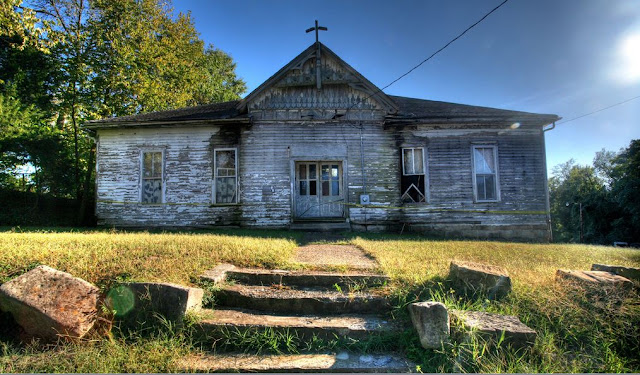
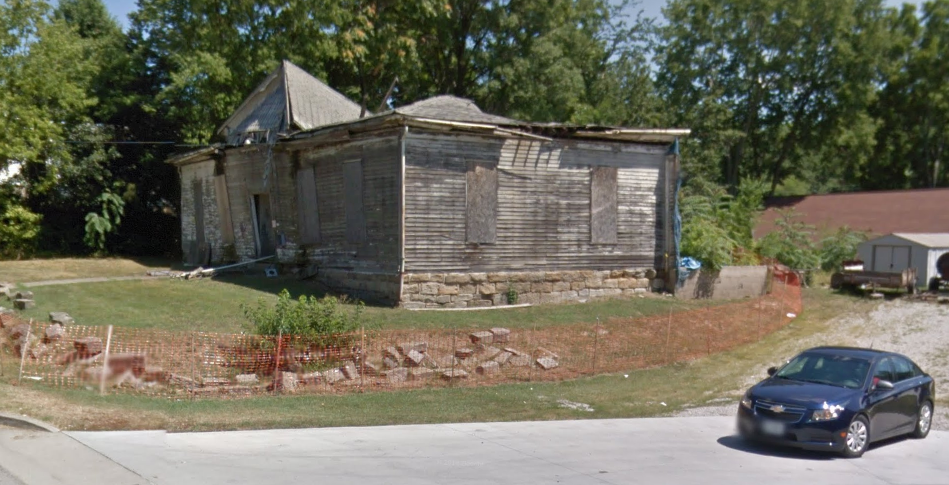
Foster Ward School where Martian Warren School is now.

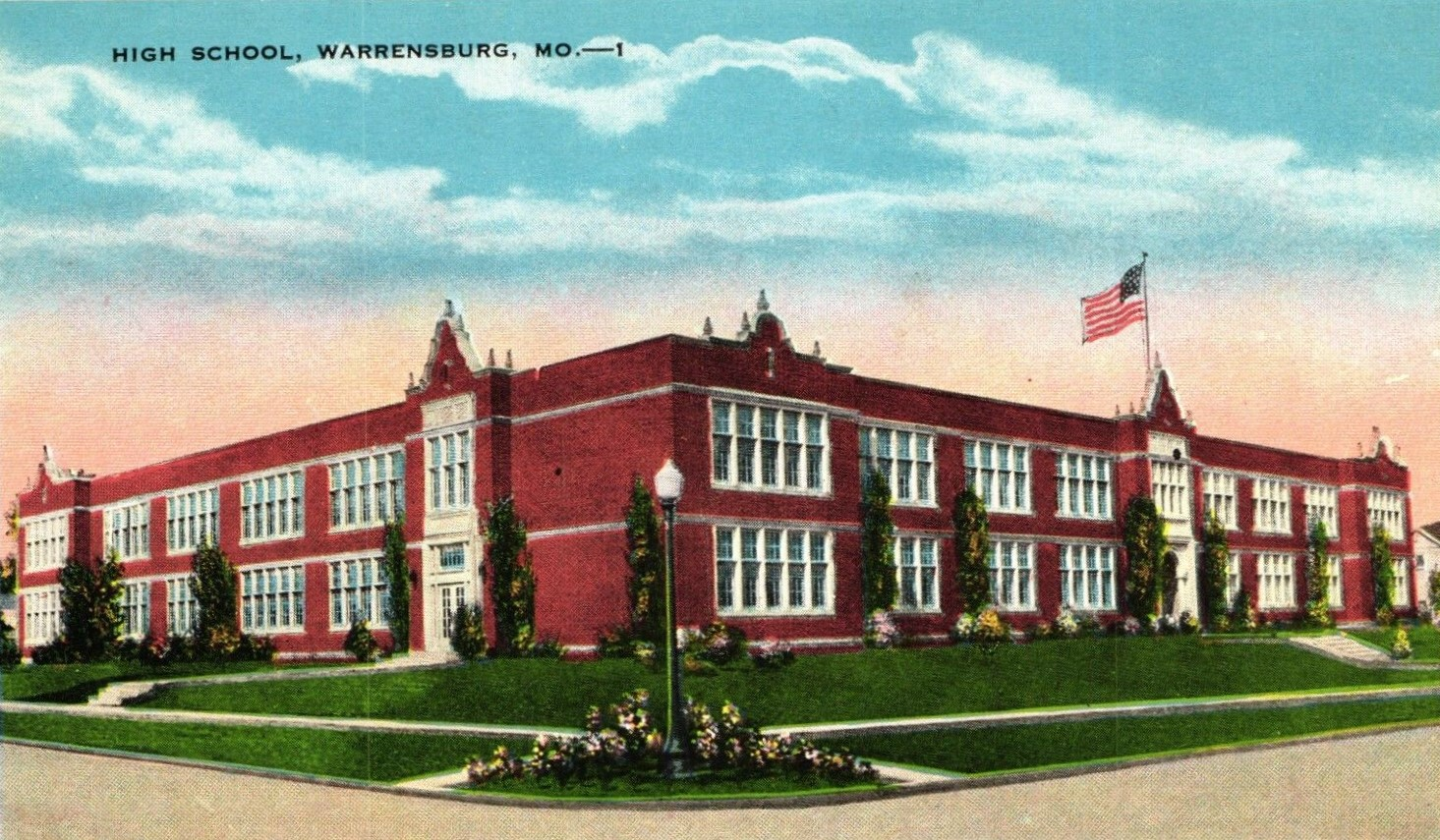
1924-1963 High School now Martin Warren Elementary School
The Mule Barn
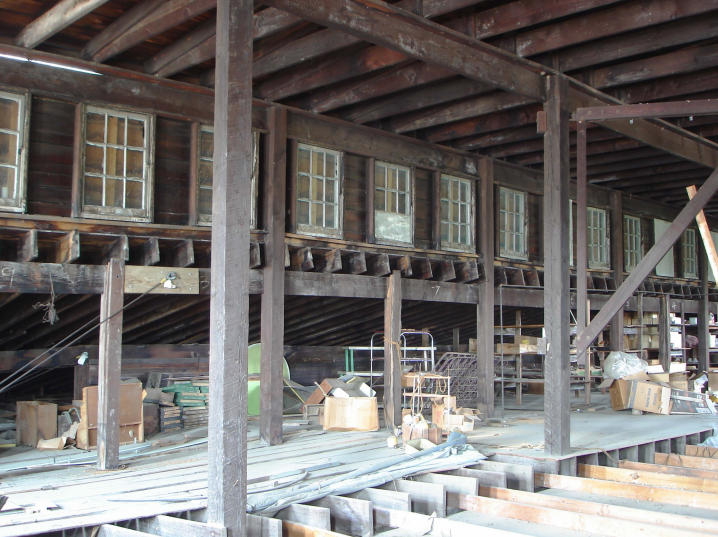
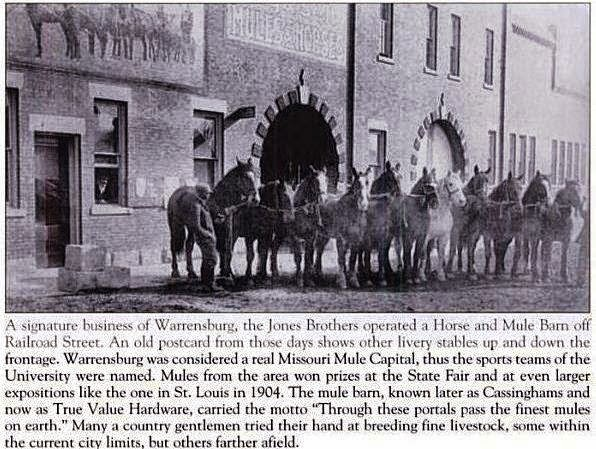
Located at 101 N. College (Miller) Street in Warrensburg, Missouri, the Jones Brothers Mule Barn holds local significance in the National Register Criterion A, particularly in the realms of Agriculture and Commerce. Constructed in 1912 by Walter and Perry Jones, it originally functioned as the Jones Brothers Mule Barn until 1932. Subsequently, it transitioned into the Cassingham & Son Hardware Store, where it served the community until 2008.
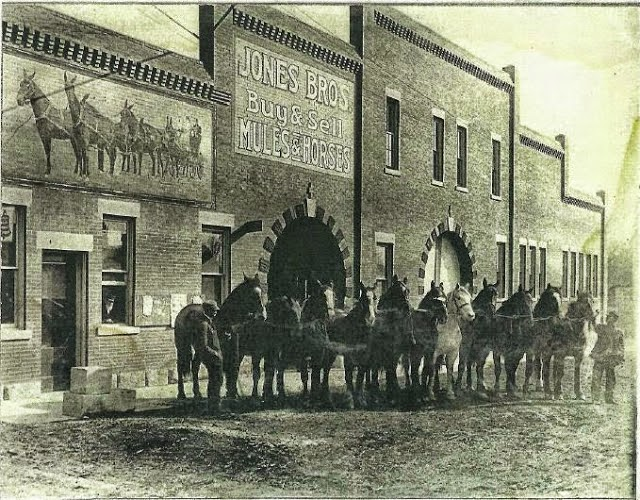
JOCOMO Mules and the war effort
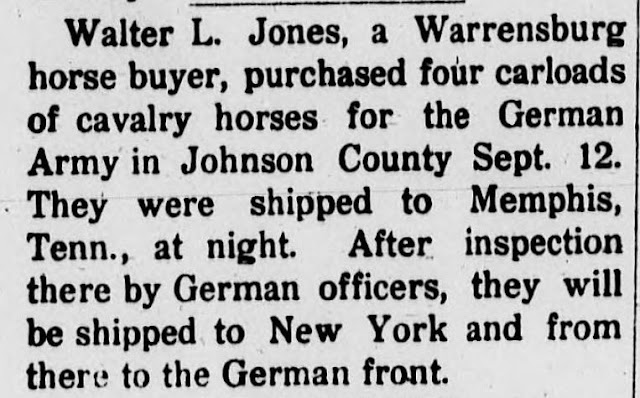
During the early 20th century, the Jones Brothers capitalized on a thriving regional mule market, leveraging their close proximity to the Missouri Pacific Railroad to establish one of the most renowned mule dealerships in Missouri. Their business flourished, particularly during World War I, when they reputedly shipped hundreds of mules monthly. Mules held immense value in military operations before the widespread adoption of motorized transportation, with Missouri-bred mules earning a global reputation for excellence, with tens of thousands dispatched overseas during the war.
In 1912, the Jones Brothers erected their new mule barn, strategically leveraging its location and proximity to the Missouri Pacific Railroad. This advantageous position facilitated the routine shipping of mules and horses either sold at the barn or procured for upcoming sales. Renowned as the “Largest shipper of draft stock on the Missouri Pacific system,” the Jones Brothers Mule Barn quickly became a prominent fixture in the region’s agricultural landscape.
Prior to the construction of the mule barn on College Street, the Jones Brothers had already amassed over a decade of experience in breeding and showcasing mules. Walter L. and Perry A. Jones began their ventures in mule breeding and sales around the turn of the century, earning recognition as “the most Extensive and Widely known shippers of mules between St. Louis and Kansas City” by 1911. Keith Jones, their nephew and later a partner with Walter, provided firsthand insight into their business operations, recalling Walter’s oversight of shows and the sale barn while Perry managed the farms. Census records from 1910 further affirm their roles, with Perry listed as overseeing “General farms” and Walter’s occupation specified as “horses and mules.”
Walter’s prowess in showcasing mules was demonstrated at the St. Louis World’s Fair in 1904, where he achieved considerable success and played a role in popularizing the term “Missouri mule.” The exhibition of Missouri-bred mules at the fair showcased the state’s superiority in mule breeding, solidifying its reputation on an international stage.
The Missouri mule’s renown continued to grow, fueled by decades of breeding efforts and the animal’s unique attributes. Mules, distinct from horses, offered superior strength, resilience, and intelligence. They became indispensable assets in various agricultural tasks, valued for their reliability and efficiency.
Missouri’s prominence in mule breeding burgeoned throughout the 19th century, with the state emerging as a hub for mule production. By the time the Jones Brothers established their sale barn in Warrensburg, Missouri had garnered international recognition for its quality mules, with over 333,000 of these esteemed animals statewide. Breeders had meticulously developed various types and sizes of mules to cater to diverse agricultural needs, with sugar mules, standing approximately 16 hands tall and weighing between 1,000 to 1,300 pounds, ranking among the most sought-after varieties.
However, as the allure of horsepower grew and the Great Depression wrought economic turmoil, the mule business waned, leading to foreclosure on the property in 1932. Ironically, the subsequent occupant, Cassingham & Son Hardware, embraced the very machinery that contributed to the decline of mules – farm trucks and tractors. This shift in focus prompted alterations to the building, including the addition of front display windows and an outdoor recessed space, in the 1930s. These modifications marked the last significant changes to the building, which remains a tangible connection to Warrensburg’s agricultural commerce history.
Written by Joyce Dorrell for The Johnson County Historical Society. Resources found in JOCOHS archives. Jones Brothers/ Agriculture/Missouri Pacific R R/Business of Warrensburg/ Daily Star Journal/Standard Herald/Mules of Missouri
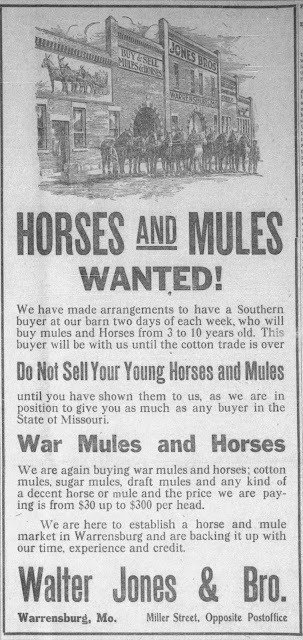
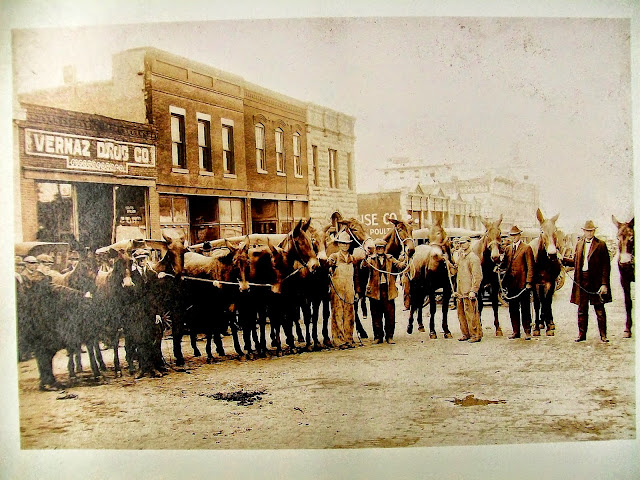
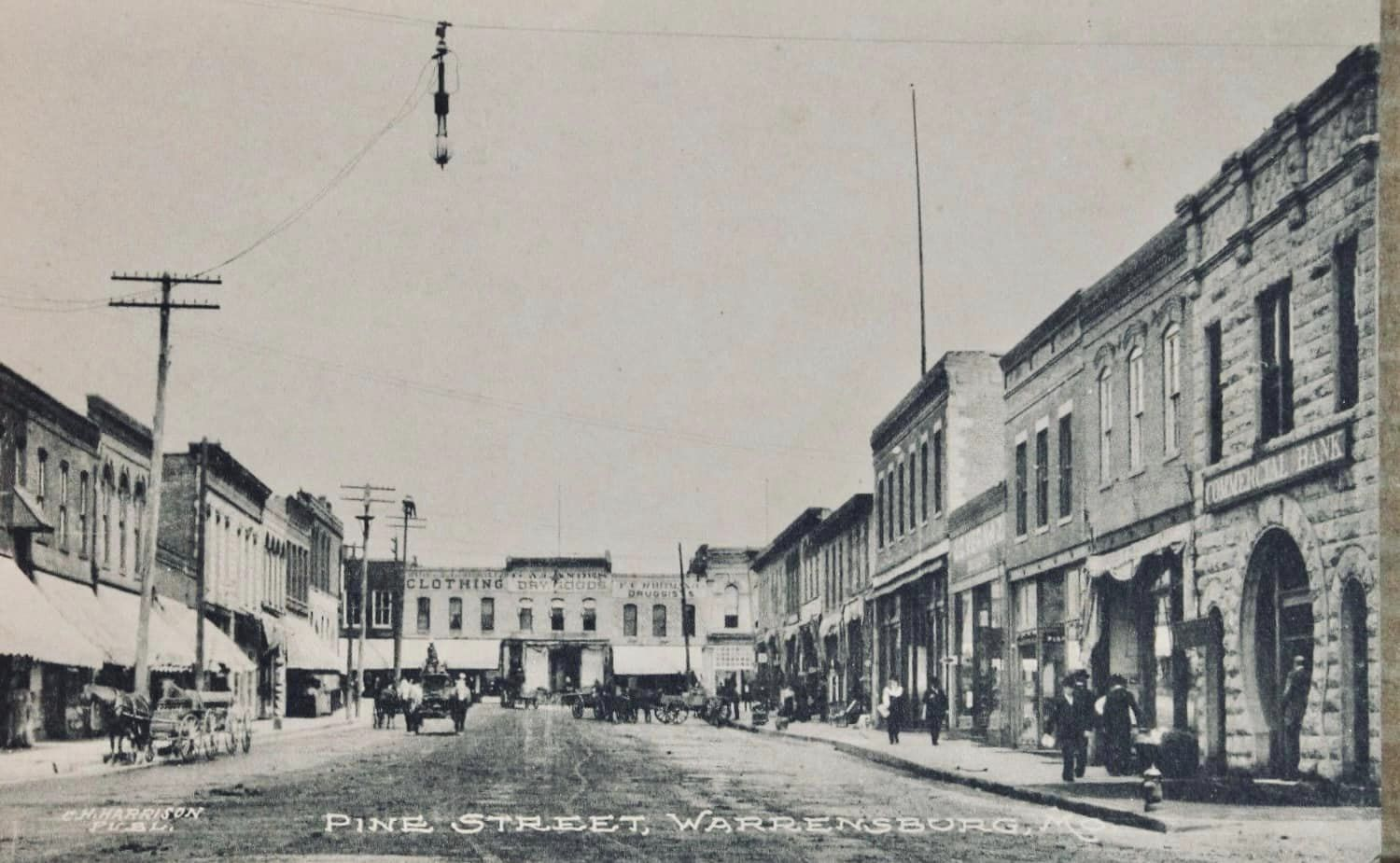
Jones Bro’s Mules on display on W. Pine Street.
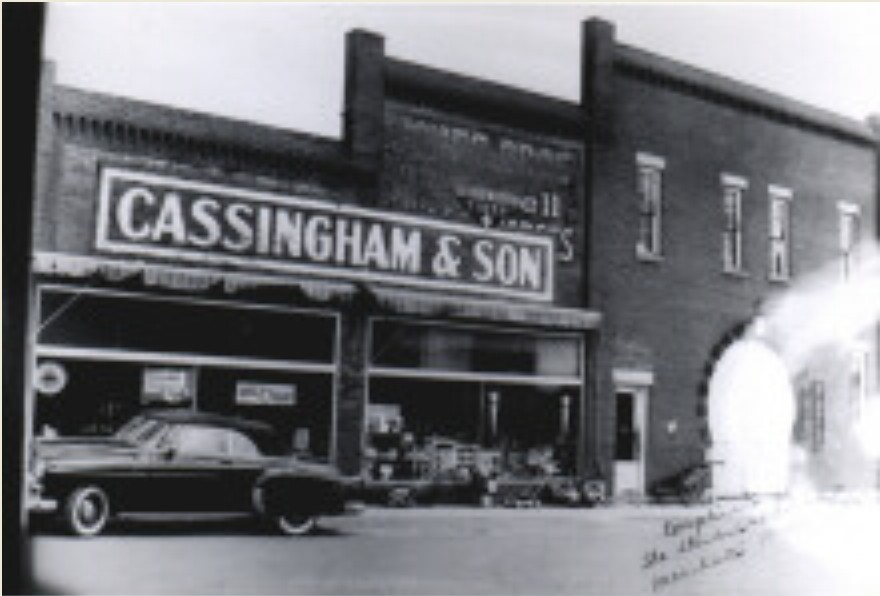
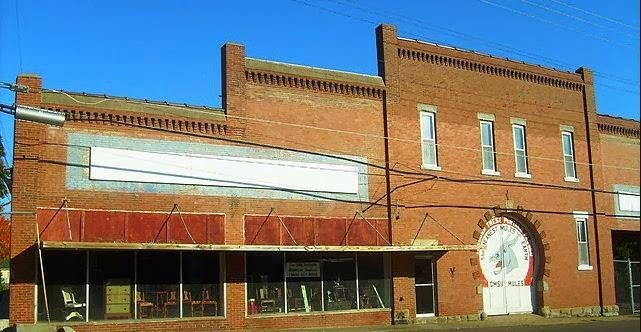
Town and County Shoe/Harmon Industries
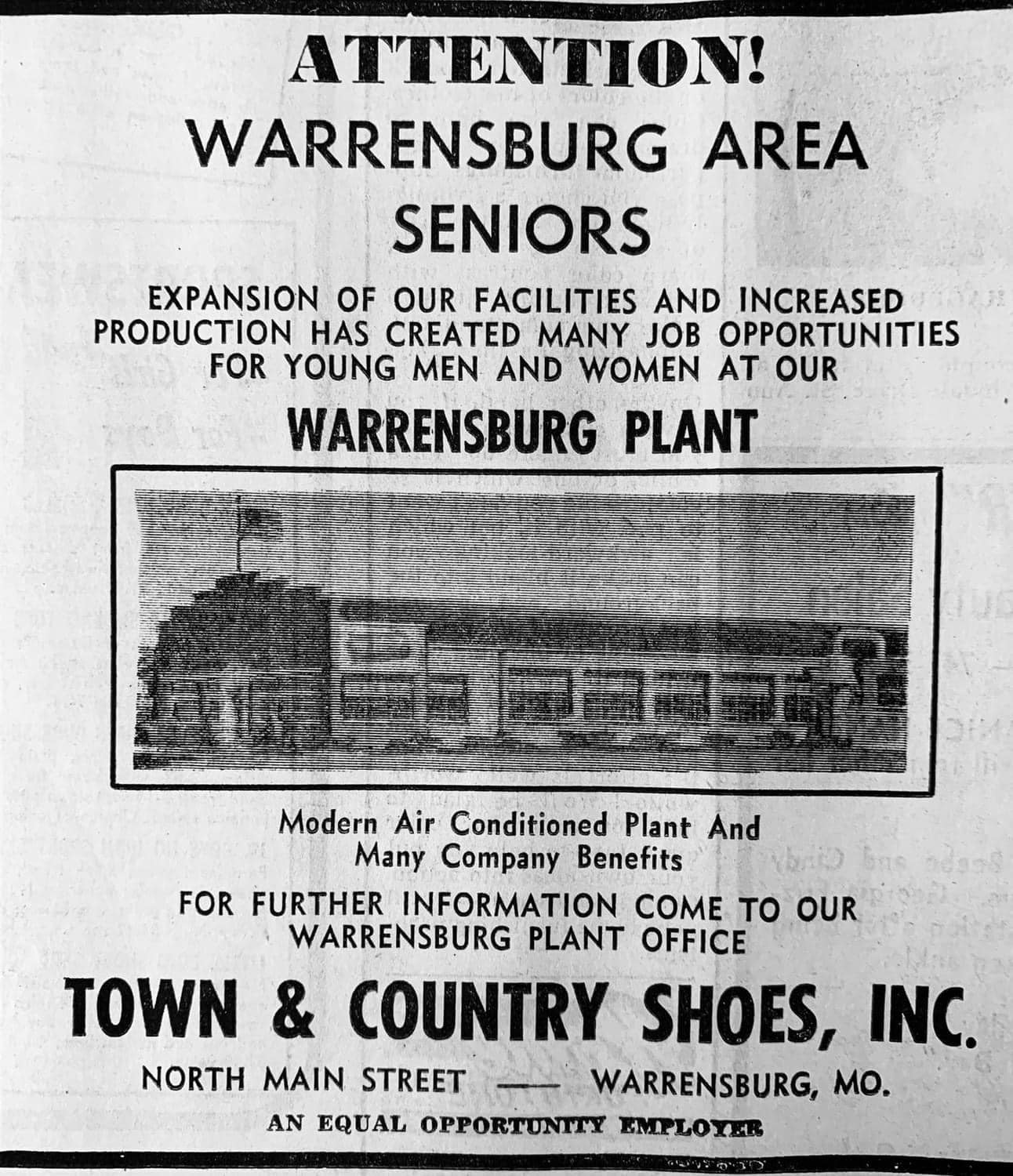
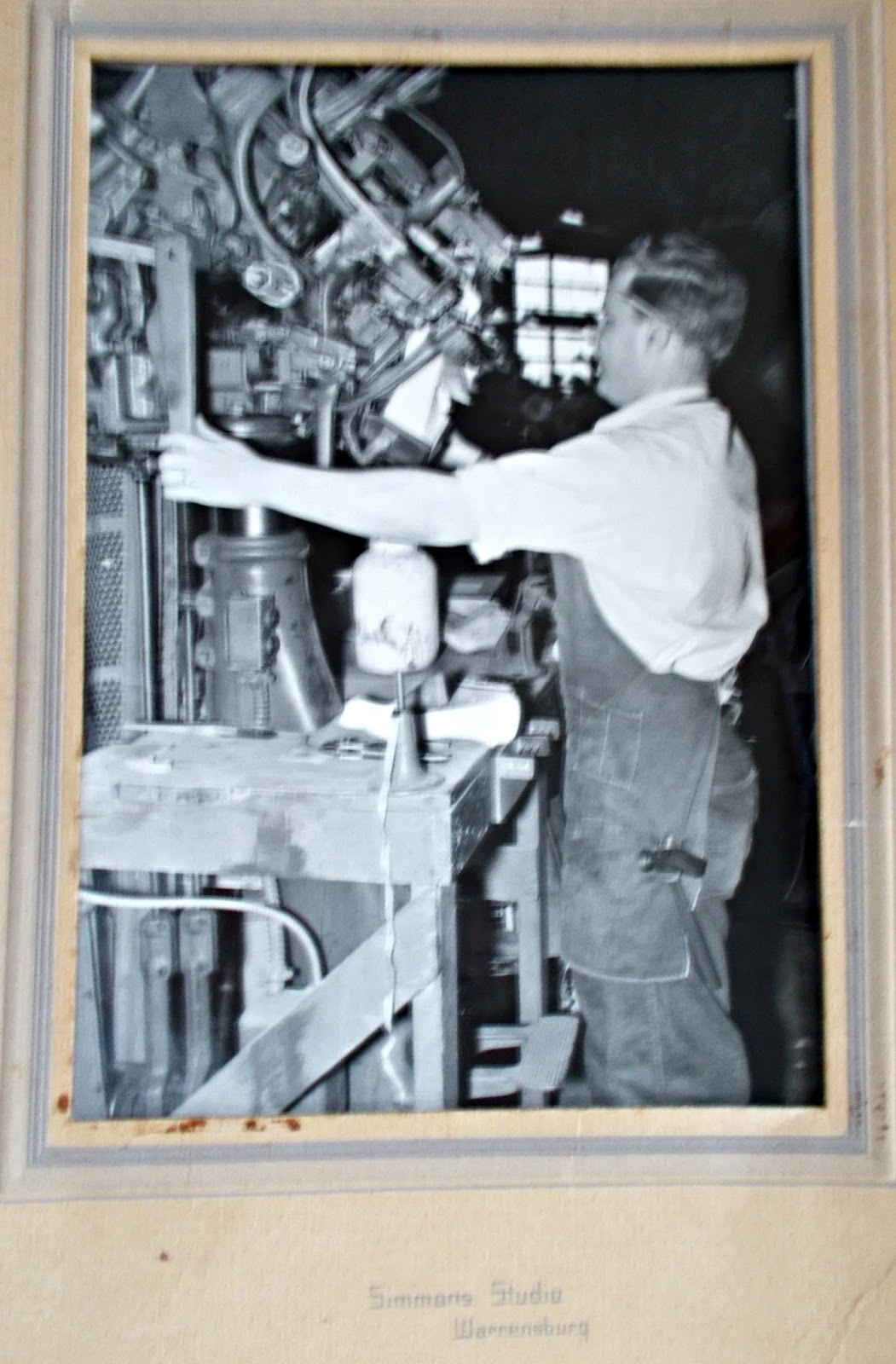
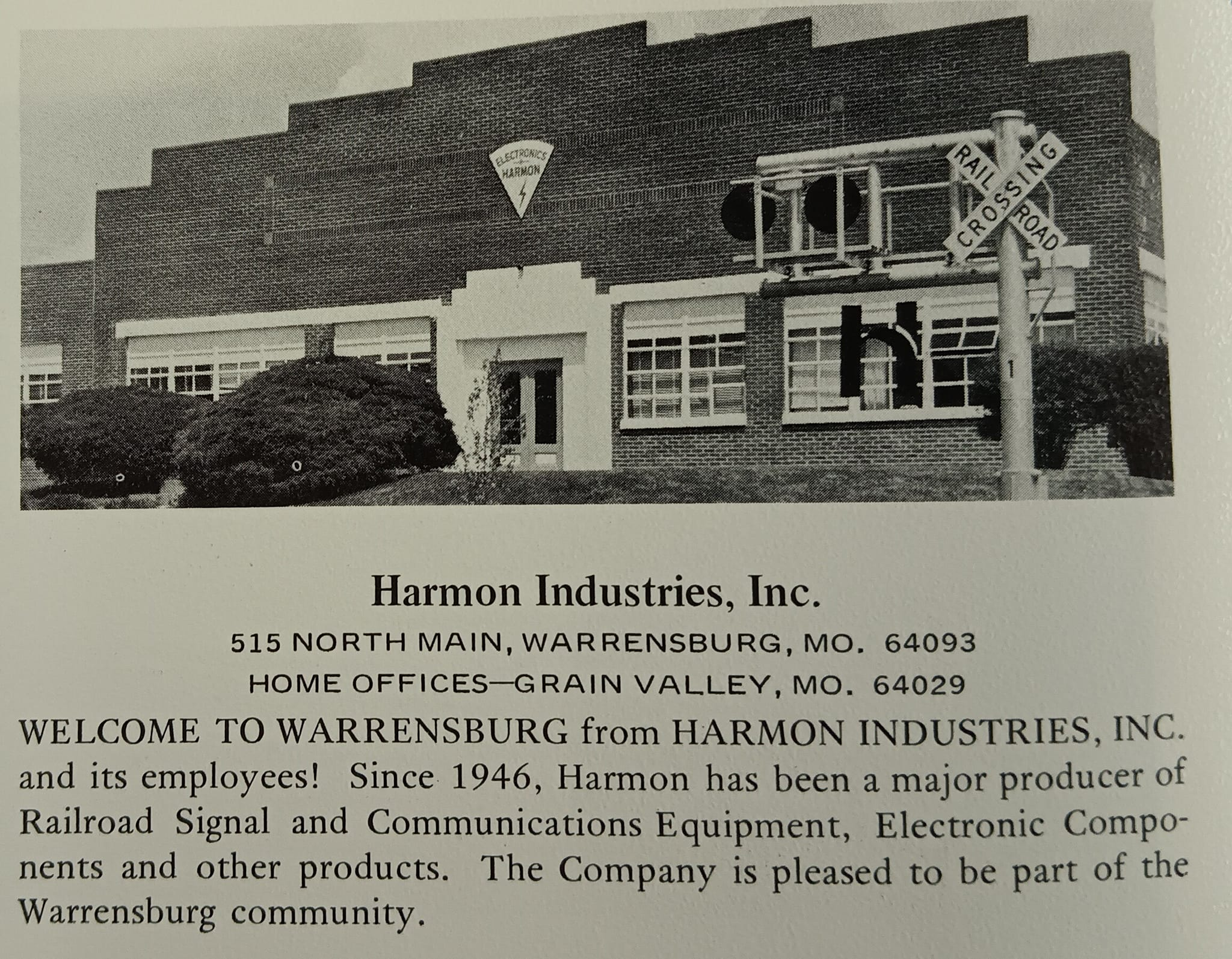
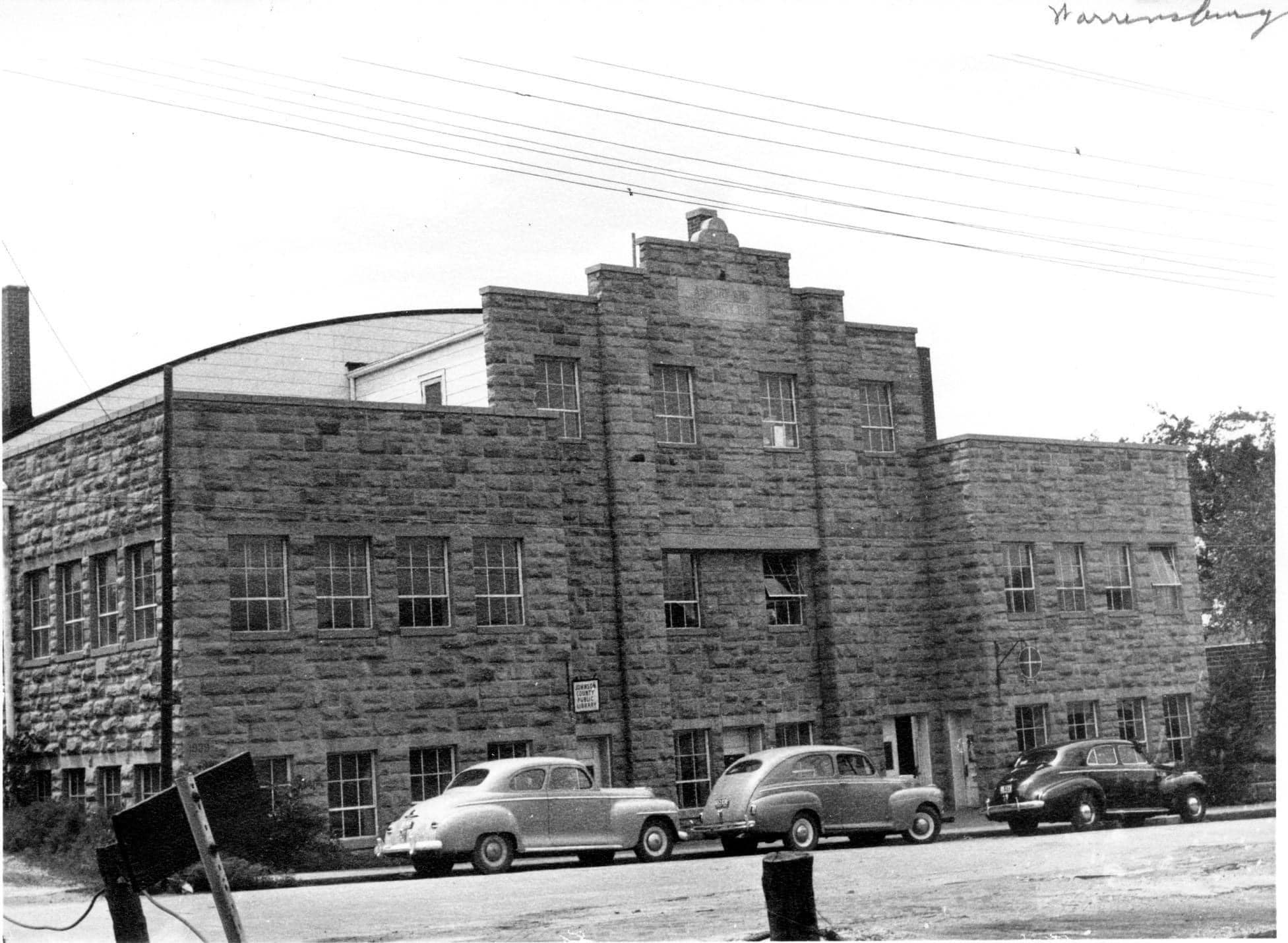
Old Armory at Holden and North Street WBG. Town and Country Shoes was housed in the Basement in the 1940’s
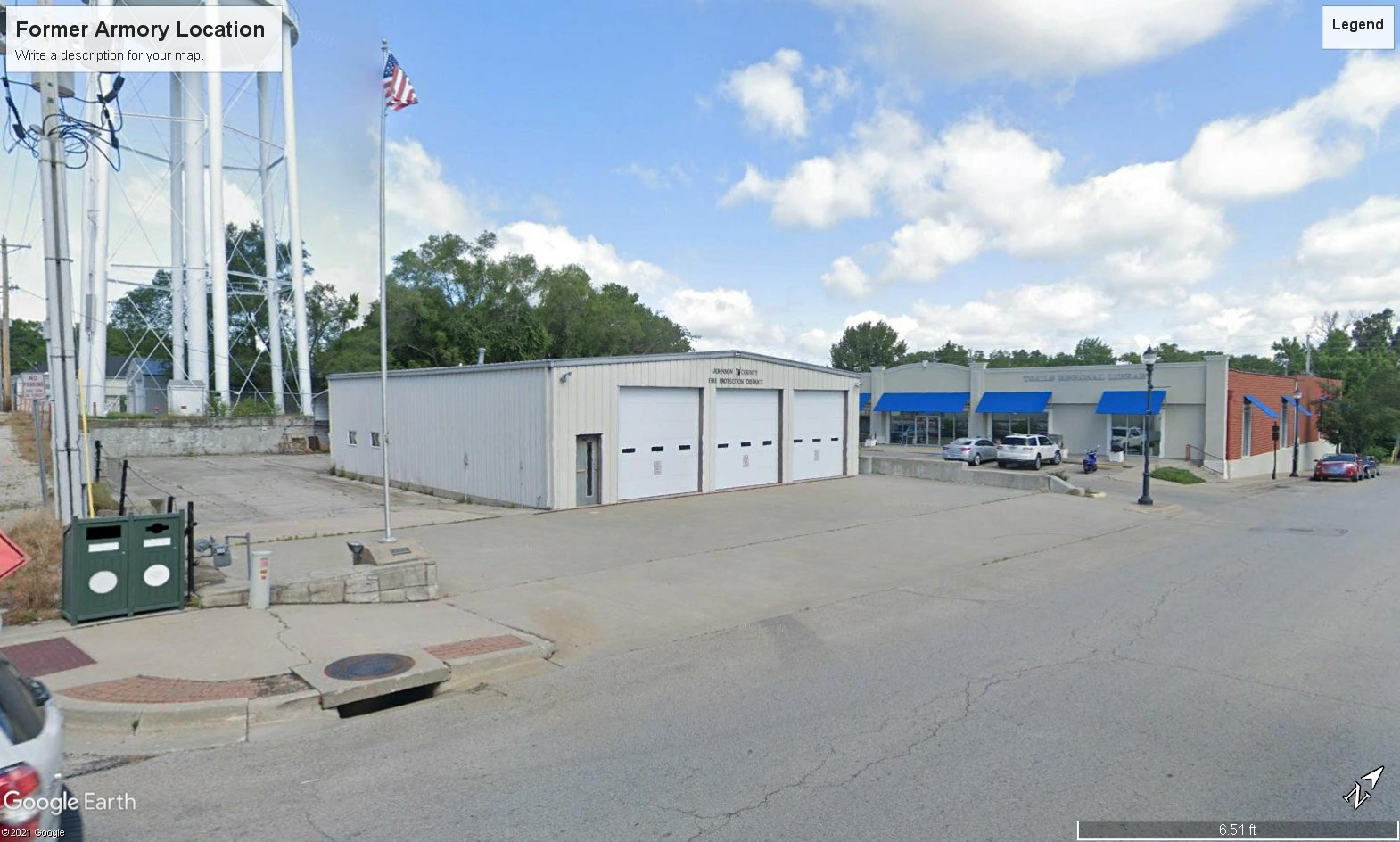
Burned down in 1954. Below you can see the old foundation.
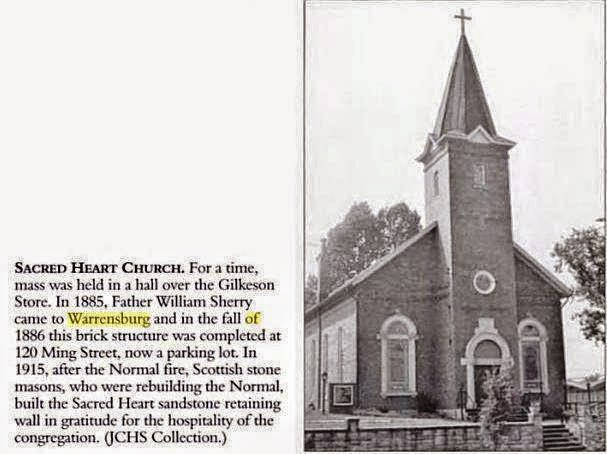
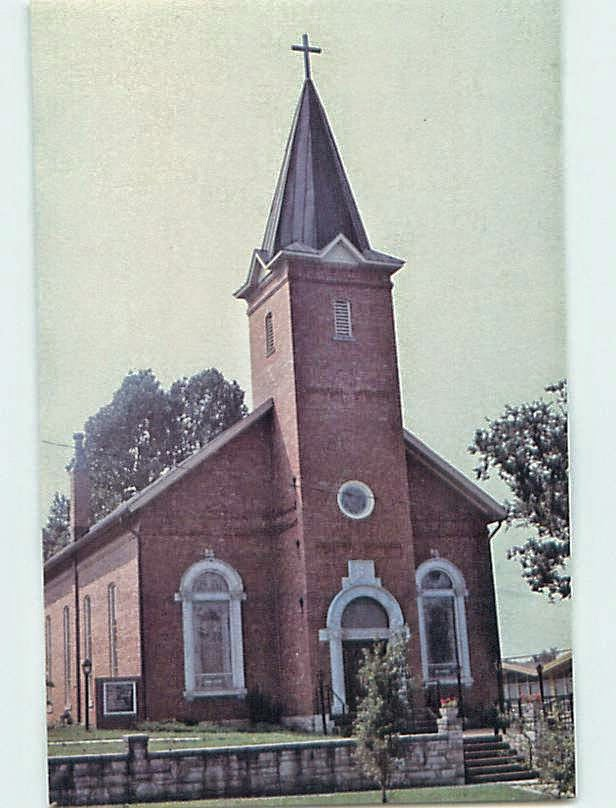
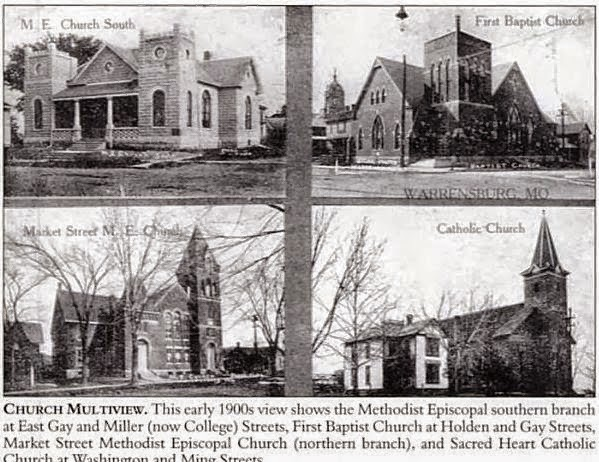
Sacred Heart Catholic Church 1886 120 Ming St, WBG.
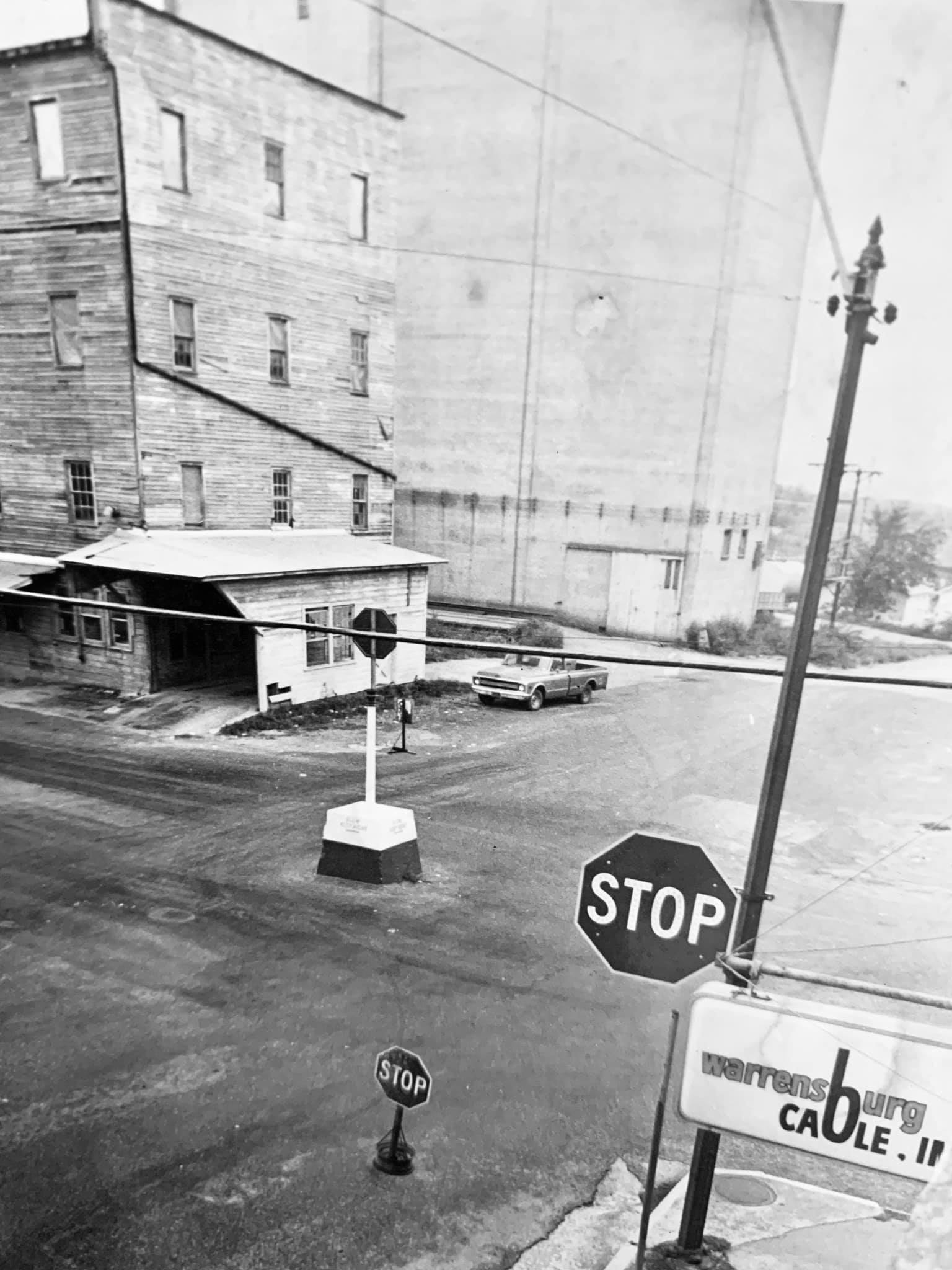
The U-Turn Structure at Washington and Pine. Innes Mill in background.
The Pickle Quarry that became The Garden Of Eden
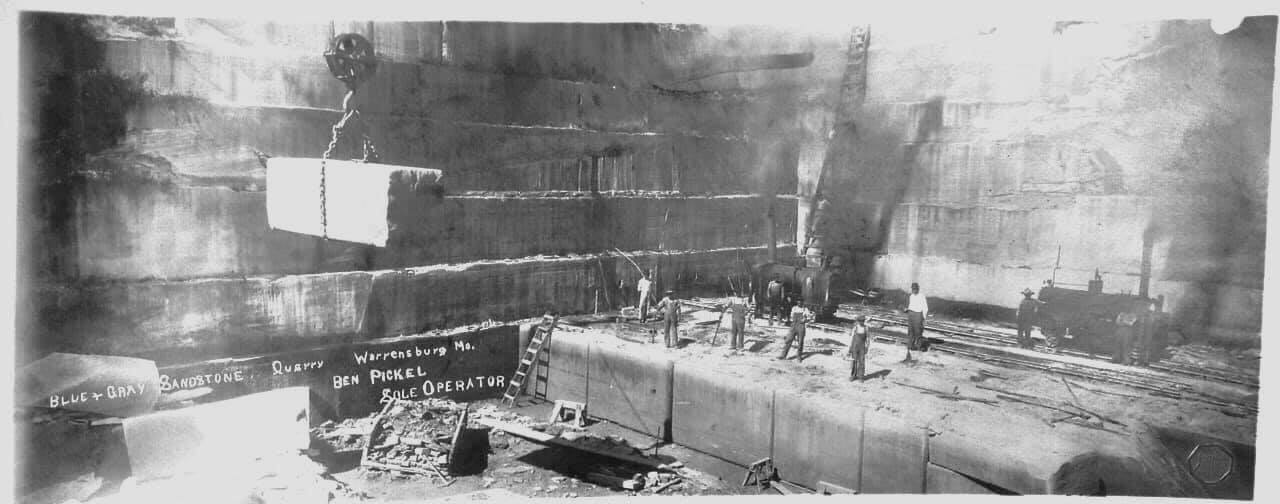
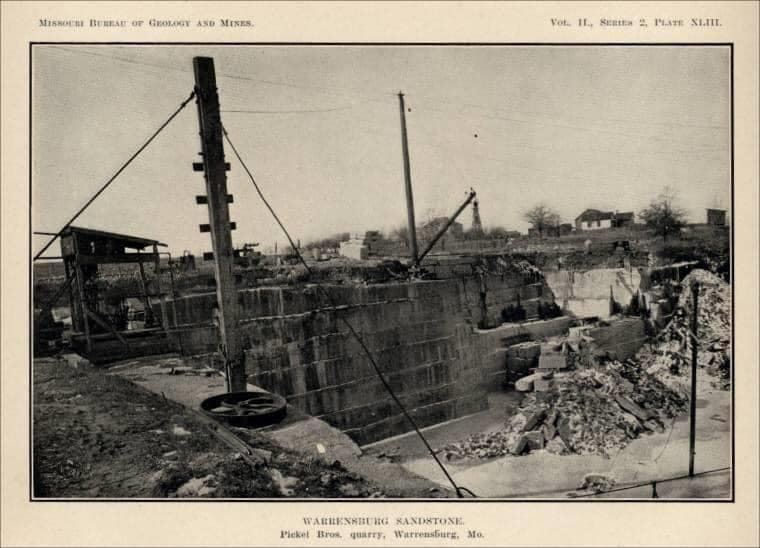

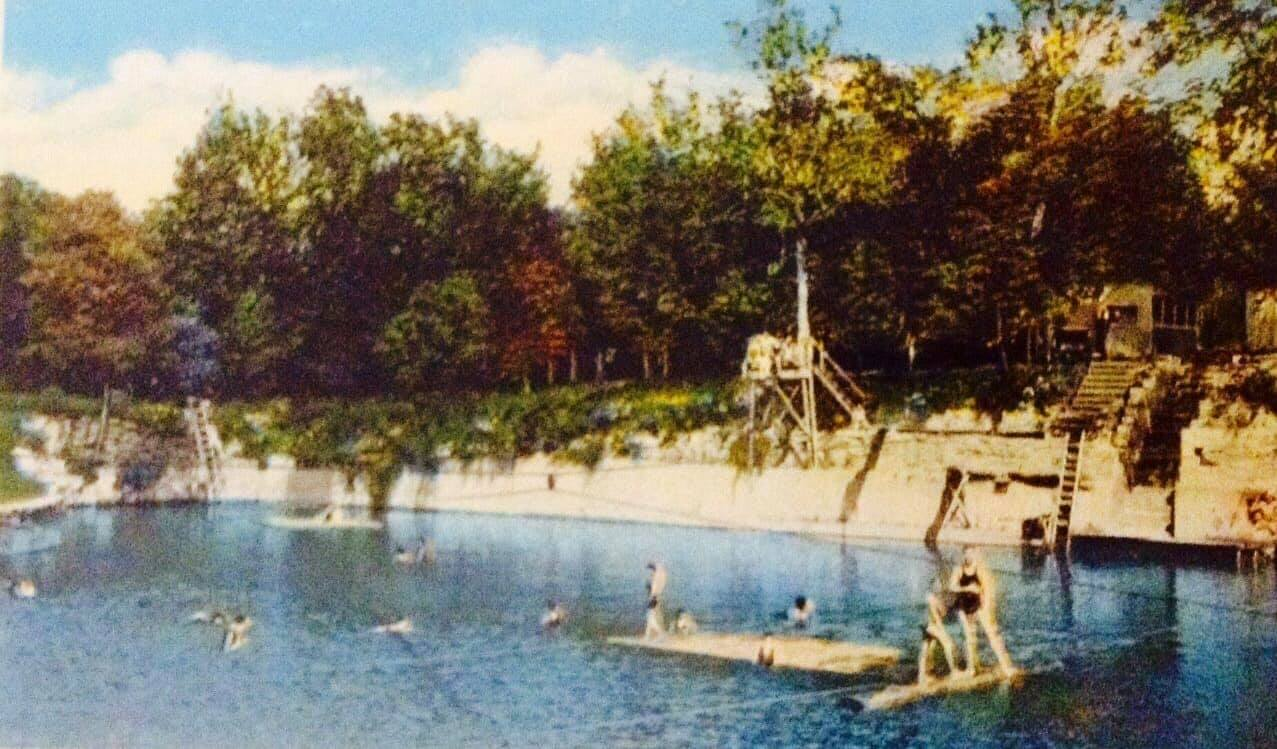
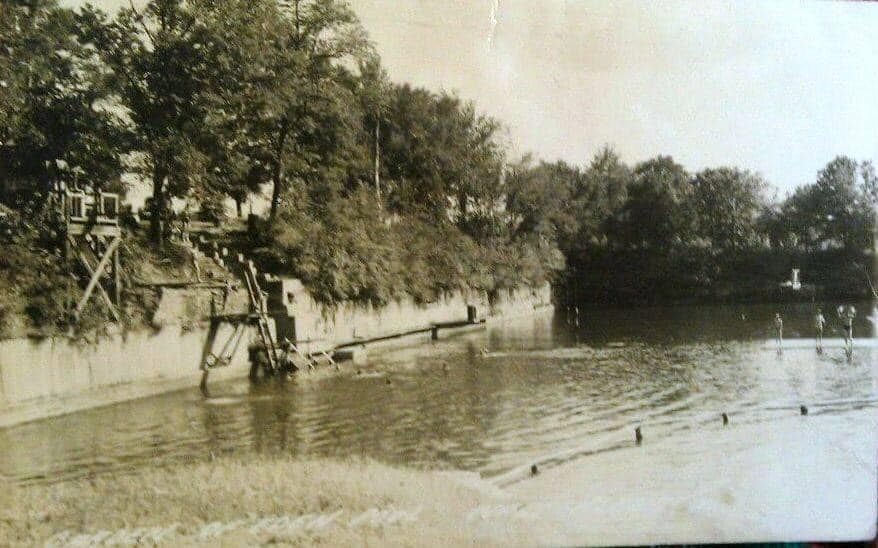

Quarry Gas Station
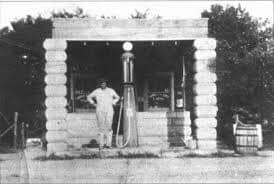
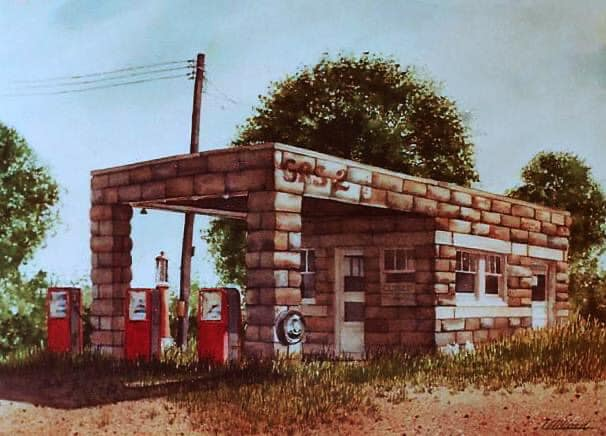
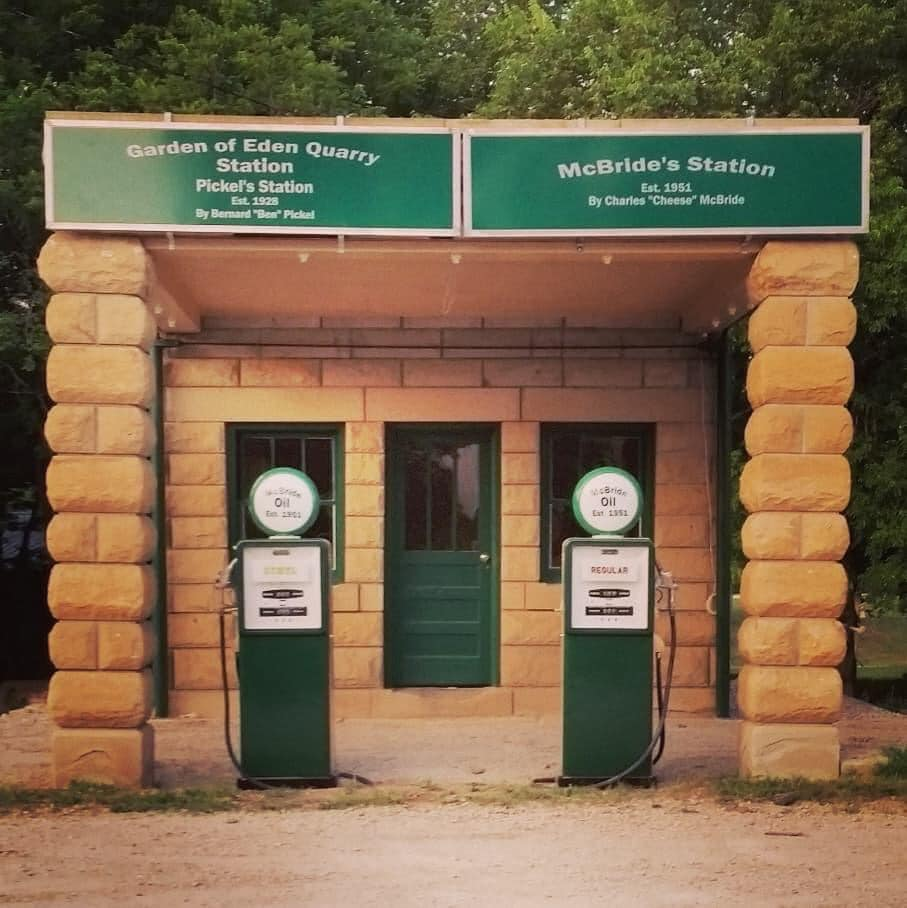
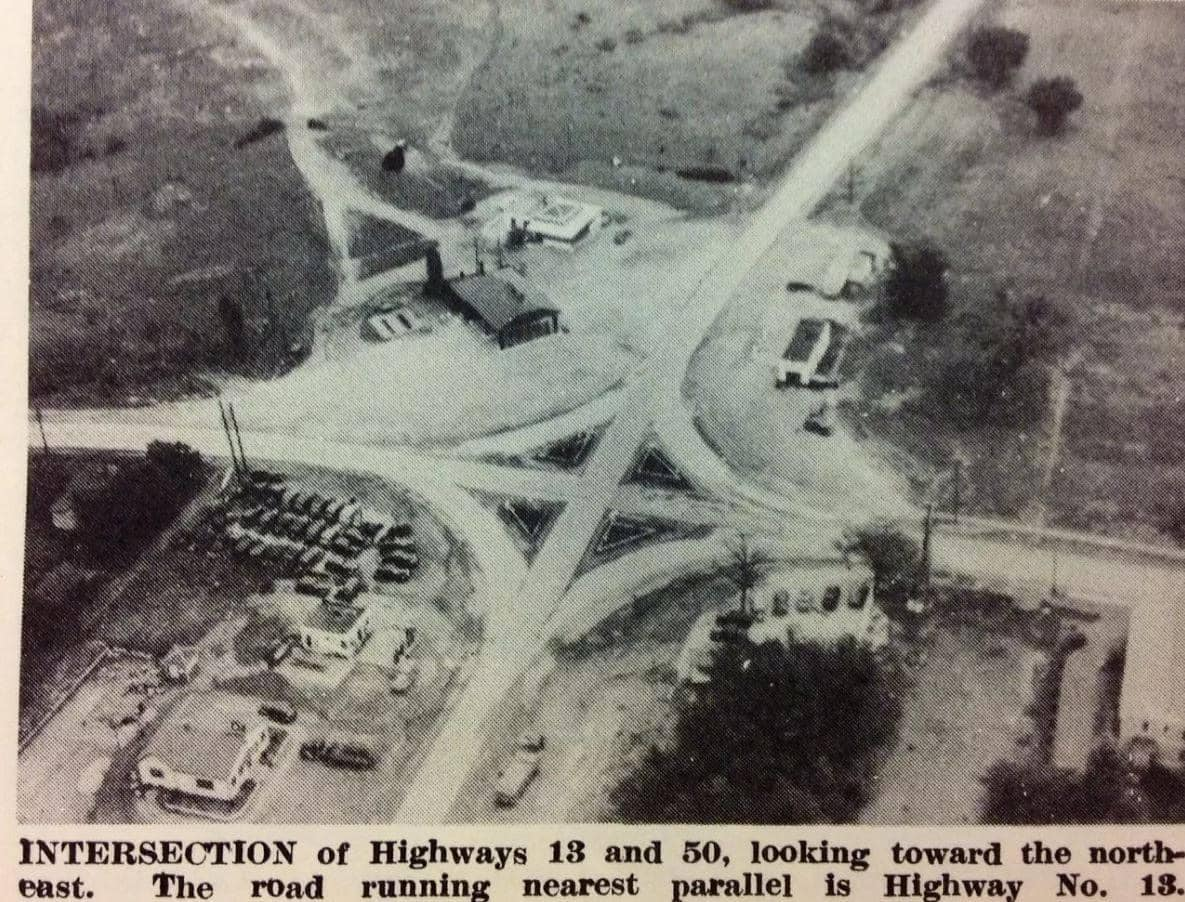
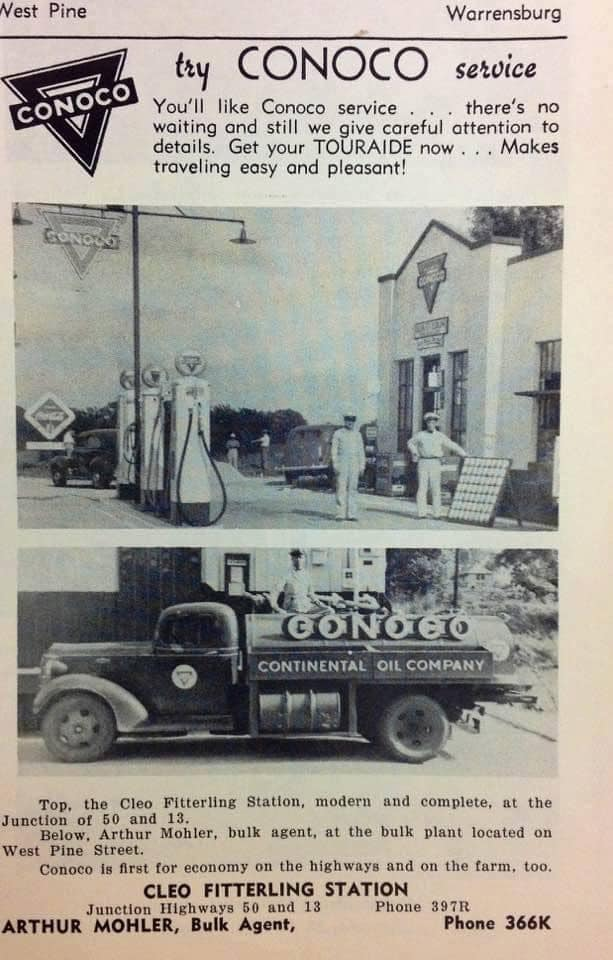
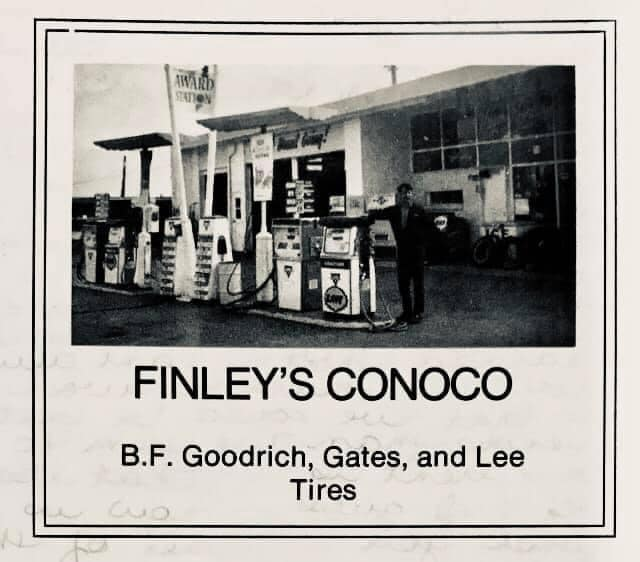
Finley’s was where Walgreens in Warrensburg sits now, Maguire and Young (13 and old 50)
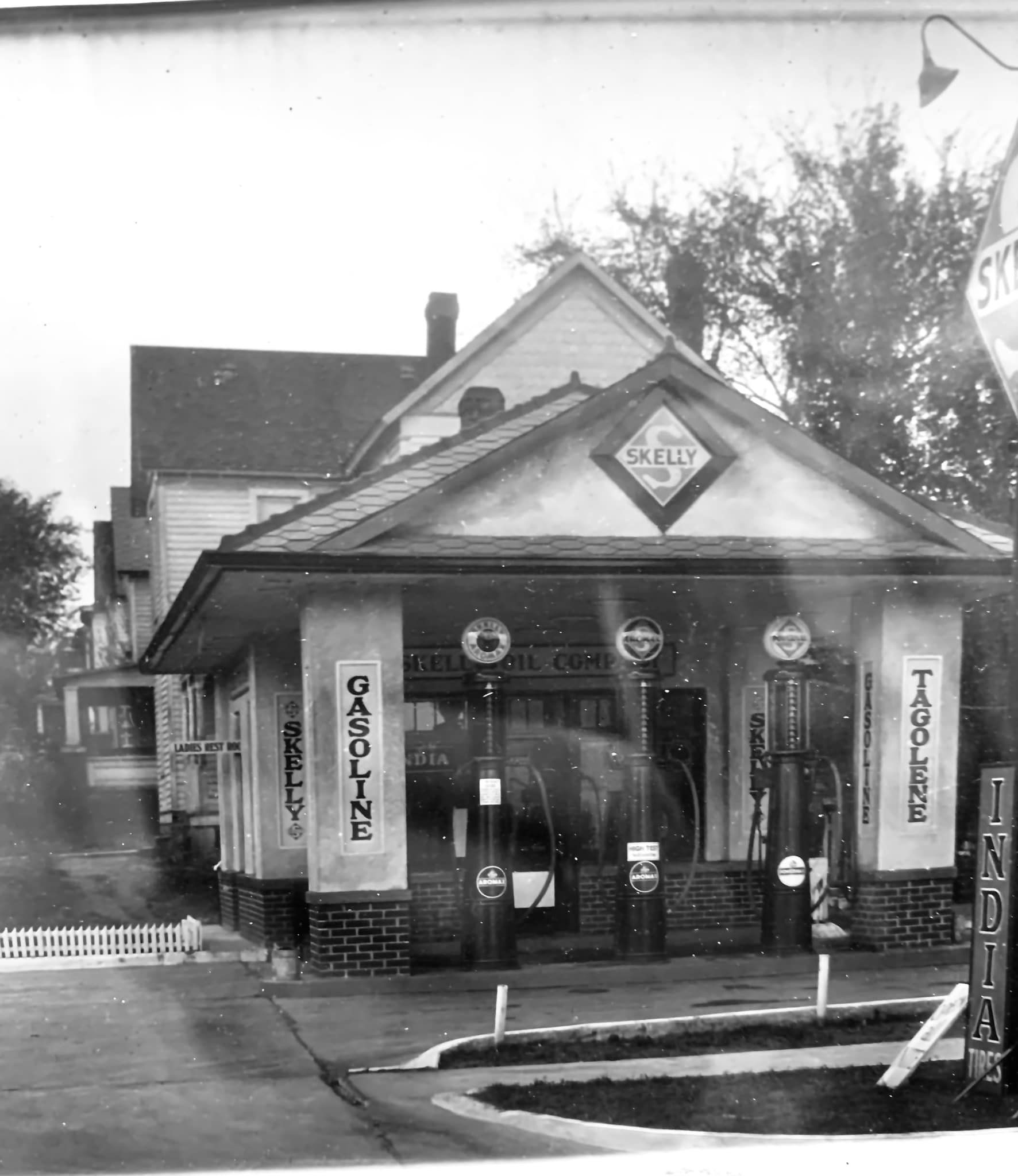
FROM SHELLY STATION TO HONG KONG EXPRESS. CORNER OF MAGUIRE (Business 13) AND E CLARK ST.

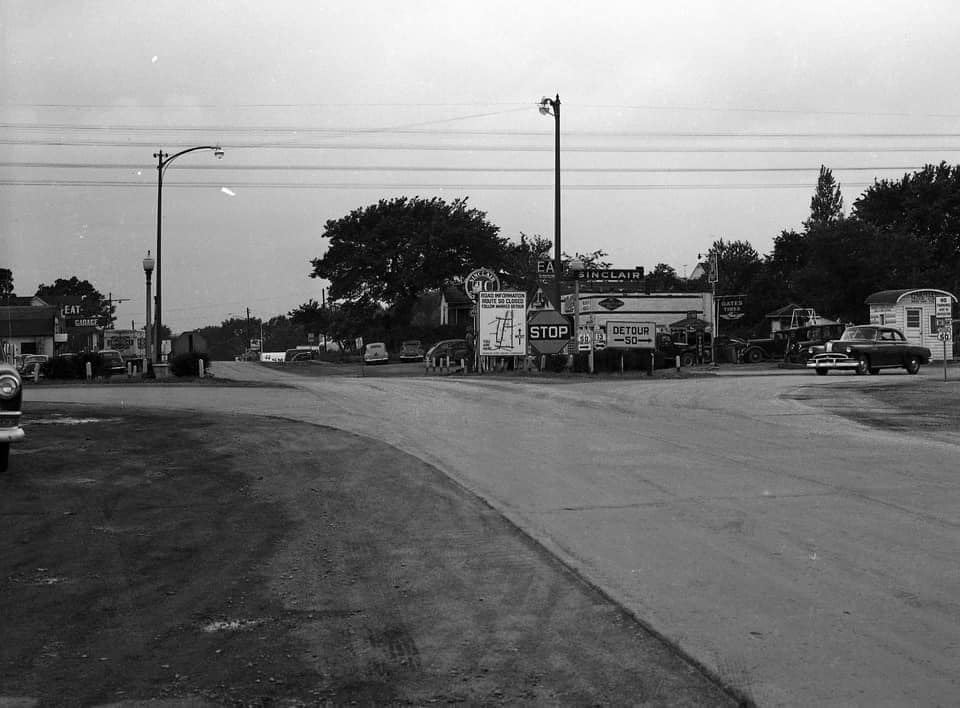
Looking Westward from SE corner of 13 and Business 50

Looking West from NE corner of Business 13 and Business 50

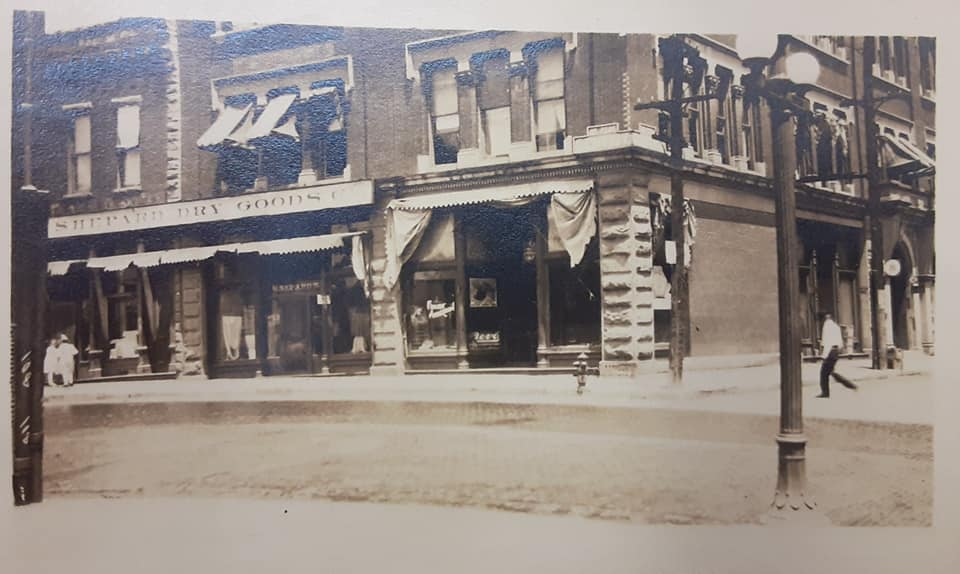
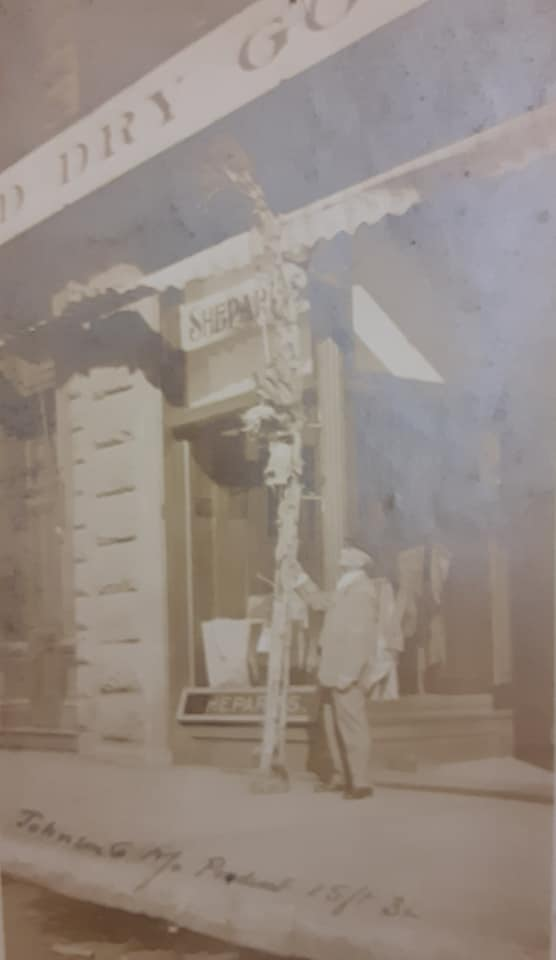
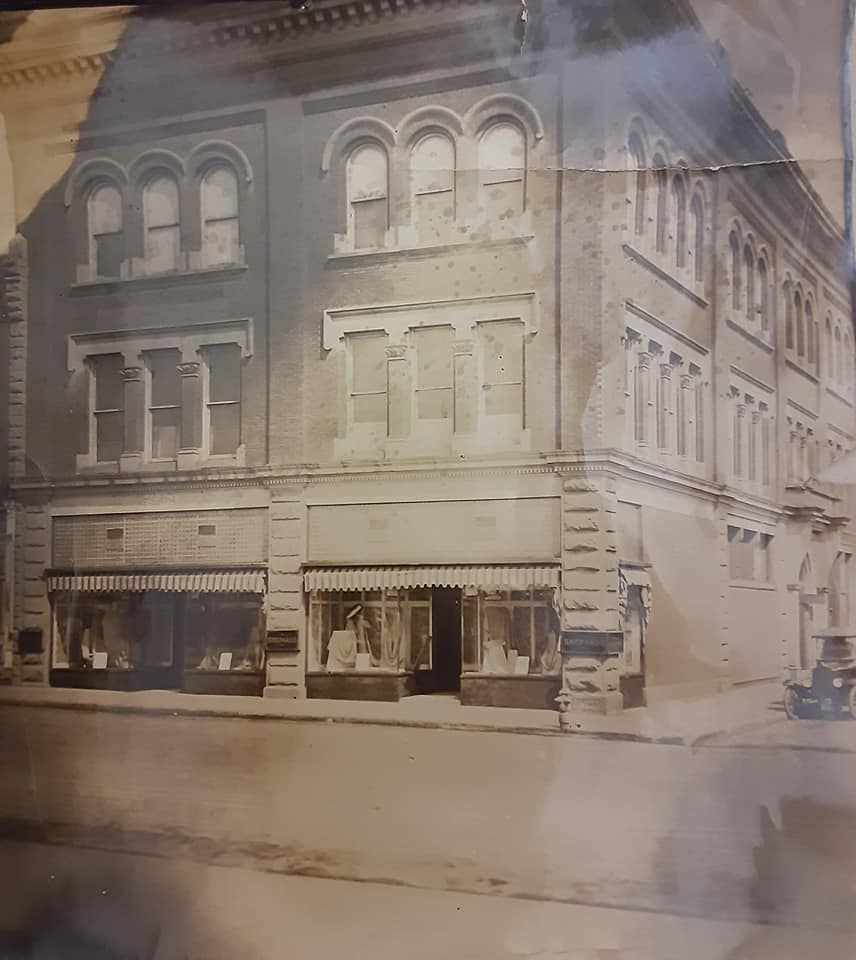
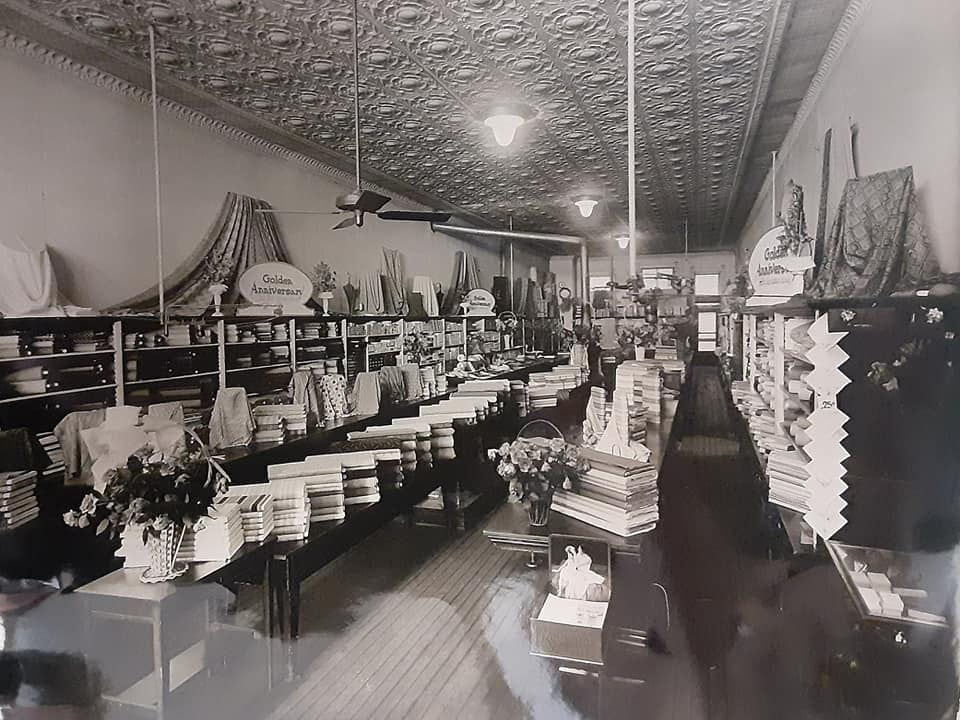
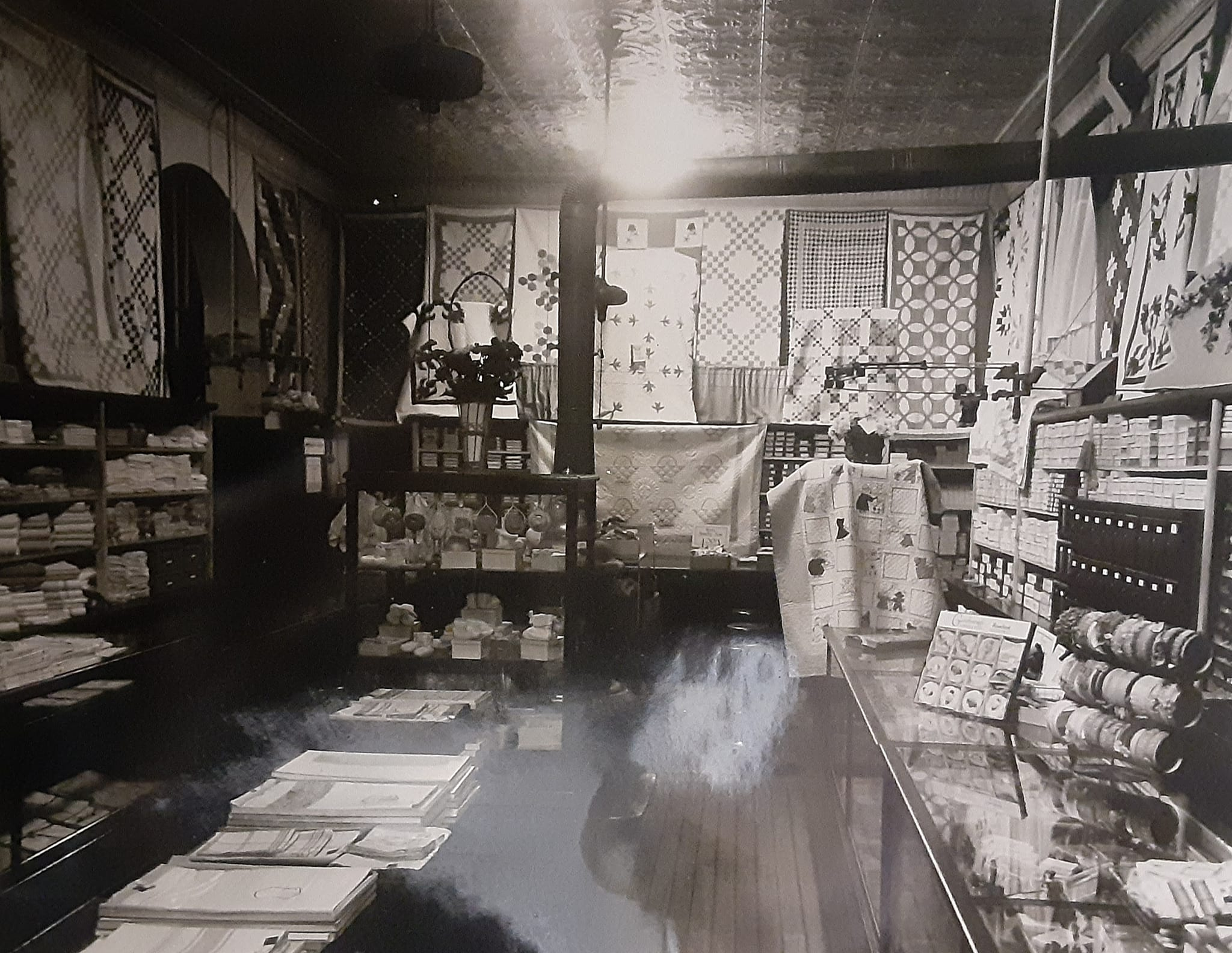
Shepards Dry Goods
Masonic Temple corner of Holden and E. Market Wbg.
 Johnson County (MO) Historical Society
You must be logged in to post a comment.