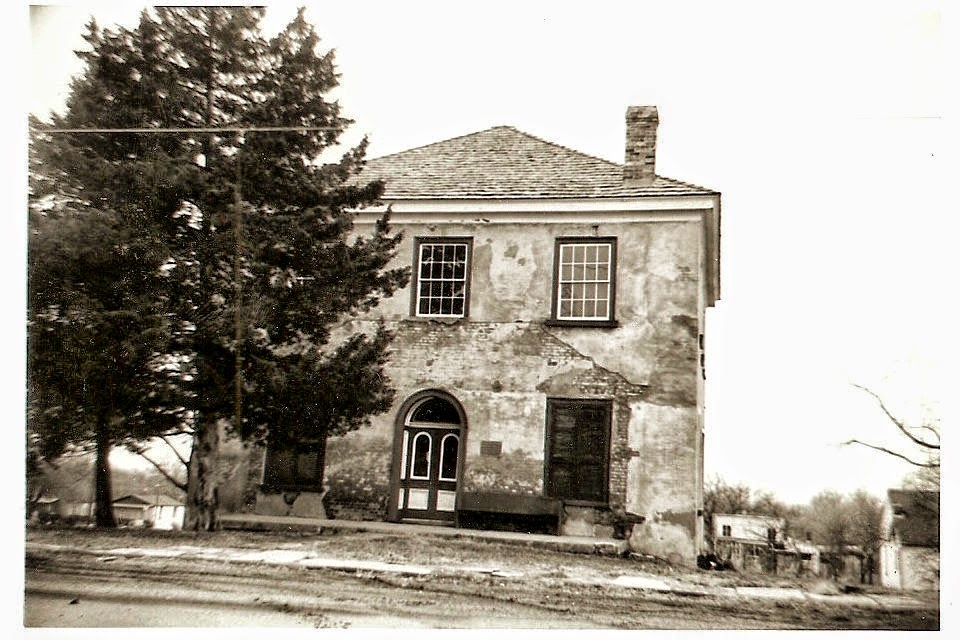
Johnson County “Missouri” Historical Society Inc.
Historic Square and office Located at
302 N MAIN ST. Warrensburg, Mo. 64093
Preserving our past for future generations
The Mary Smiser Heritage Library located at 302 N. Main Street in beautiful “Old Town” Warrensburg Mo.
We are currently open for research and tours:
Tuesday 1-4 and Saturday 1-4
By appointment curator@jocomohistory.org
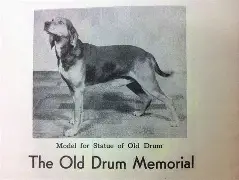
THE “OFFICIAL” HOME OF OLD DRUM
In 1869, the shooting of a hunting dog named Old Drum on a farm in Johnson County, Missouri, sparked a legal battle that captured national attention. What began as a dispute between neighbors and family members led to multiple trials, helped shape attitudes and laws regarding pet ownership, and forever connected Warrensburg with the idea of the dog as “man’s best friend.”
At the center of the case were Old Drum’s owner, Charles Burden; his brother-in-law and neighbor, Leonidas Hornsby; and attorney George Graham Vest. Vest’s passionate closing argument in defense of Old Drum became one of the most famous speeches in American legal history, cementing both his legacy and Old Drum’s place in history.
The “Eulogy” to Old Drum
“Gentlemen of the Jury, the best friend a man has in the world may turn against him and become his enemy. His son or daughter that he has reared with loving care may prove ungrateful. Those who are nearest and dearest to us, those whom we trust with our happiness and our good name, may become traitors to their faith. The money that a man has, he may lose. It flies away from him, perhaps when he needs it the most. A man’s reputation may be sacrificed in a moment of ill-considered action. The people who are prone to fall on their knees to do us honor when success is with us may be the first to throw the stone of malice when failure settles its cloud upon our heads. The one absolutely unselfish friend that man can have in this selfish world, the one that never deserts him and the one that never proves ungrateful or treacherous is his dog.
Gentleman of the Jury, a man’s dog stands by him in prosperity and in poverty, in health and in sickness. He will sleep on the cold ground, where the wintry winds blow and the snow drives fiercely, if only he may be near his master’s side. He will kiss the hand that has no food to offer, he will lick the wounds and the sores that come in encounters with the roughness of the world. He guards the sleep of his pauper master as if he were a prince. When all other friends desert he remains.
When riches take wings and reputation fall to pieces, he is as constant in his love as the sun in its journey through the heavens. If fortune drives the master forth an outcast in the world, friendless and homeless, the faithful dog asks no higher privilege than that of accompanying him to guard against danger, to fight against his enemies, and when the last scene of all comes, and death takes the master in its embrace and his body is laid away in the cold ground, no matter if all other friends pursue their way, there by his graveside will the noble dog be found, his head between his paws, his eyes sad but open in alert watchfulness, faithful and true even to death.”
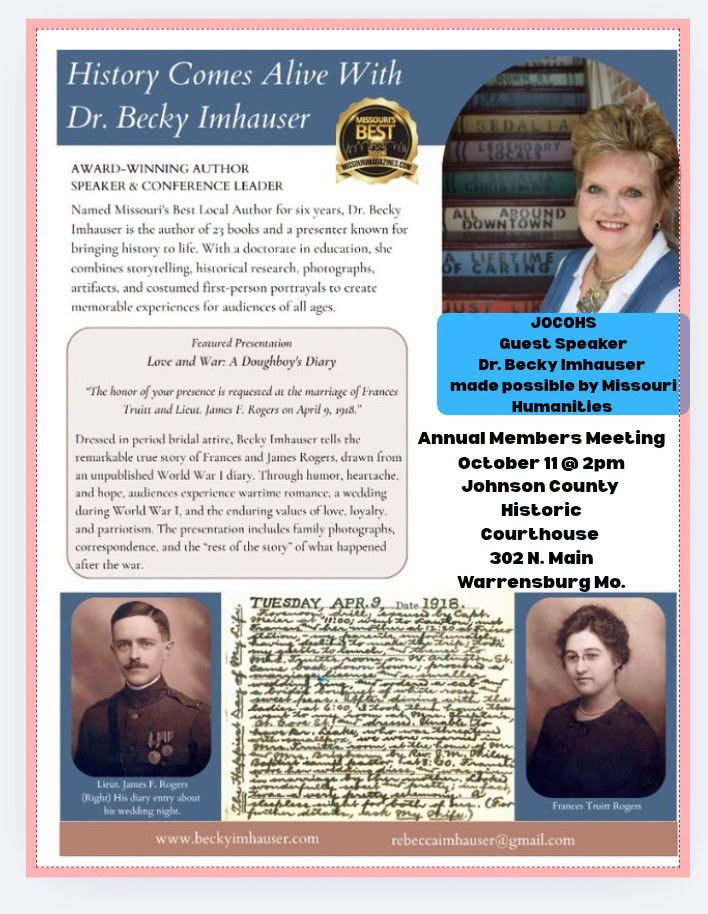

CELEBRATE AMERICA 250
During the American Revolutionary War, Missouri was not yet a state but part of Spanish Louisiana after Spain acquired the territory in 1762. The region was home to Native American tribes, including the Missouria and Osage, and remained a frontier with limited direct involvement in the war. However, many Revolutionary War veterans later helped shape the area’s development. Among them was Martin Warren, who settled in what is now Warrensburg and established a blacksmith shop, contributing to the growth of the community.
For more information on The Sons of The American Revolution see link below
https://www.bing.com/ck/a?!&&p=9f2e963a2bcfe75ce1a7006c282c72a3aa02cdb2e644135877788b90ba
Johnson County During WWII
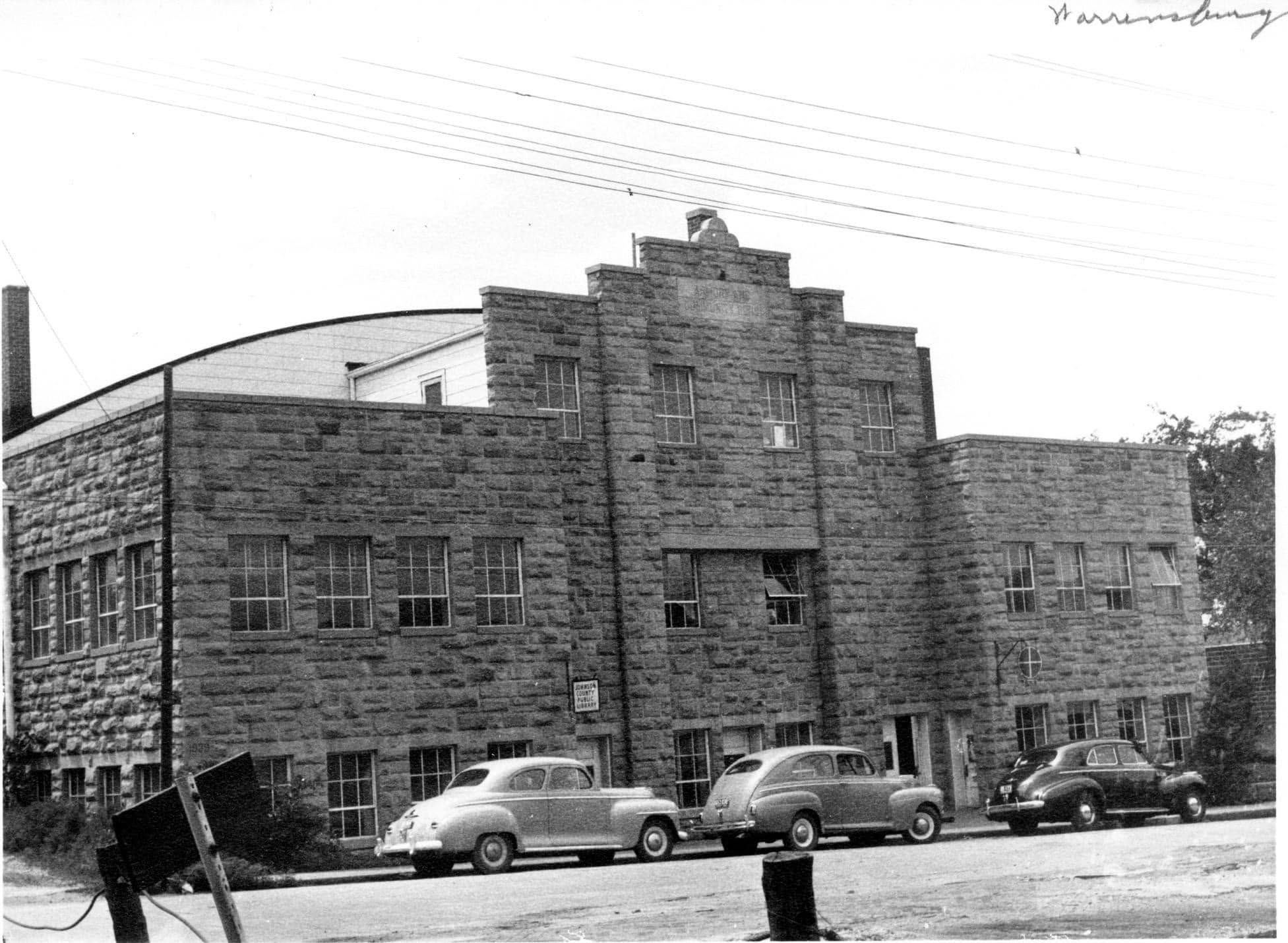
The Warrensburg Armory before the fire. Warrensburg, Missouri Armory 1940
1940 New Warrensburg Armory nears completion. Nearly finished at Warrensburg, Mo., is a new stone, $100,000 armory and community hall. It will serve as headquarters for the Warrensburg unit of the 128th field artillery of the national guard and also as a community hall for the city and Johnson County.
It was located on Holden St, next to the filling station, near the NW corner of Holden and Gay. The foundation still remains.
To see the full World War II Heritage of Johnson County and Warrensburg, Missouri StoryMap, please visit:
https://storymaps.arcgis.com/stories/955e604e6480497c828047c033116ed7
More pages are located under the blog articles.

